




Prioritise Fresh, Home-Cooked Meals
The number one rule for the rainy season is to reduce your consumption of outside food, especially from street vendors. The high humidity and intermittent waterlogging create a perfect breeding ground for bacteria and viruses. Foods left in the open can
get contaminated easily, increasing the risk of stomach infections, typhoid, and cholera. Cooking at home gives you complete control over the quality of ingredients, the cleanliness of the water used for washing and cooking, and overall hygiene. This simple change is the most effective way to protect yourself and your family from common monsoon ailments. If you're craving pakoras or bhajiyas, making them fresh in your own kitchen is the safest and most satisfying option.
Be Cautious with Leafy Greens
While leafy vegetables like spinach, cabbage, and cauliflower are normally staples of a healthy diet, they require extra caution during the monsoon. The damp, muddy conditions in which they grow make them susceptible to dirt, worms, and microbial contamination that can be hard to wash away completely. If you do choose to eat them, ensure they are thoroughly cleaned and blanched in hot water with a pinch of salt or turmeric before cooking. It's often wiser to switch to vegetables like bitter gourd (karela), bottle gourd (lauki), and pointed gourd (parwal), which have thick skins and are less likely to harbour contaminants.
Choose Light and Easily Digestible Foods
According to Ayurveda, the monsoon season, or 'Varsha Ritu', can weaken our digestive fire ('agni'). The humid atmosphere slows down our metabolism, making it harder to digest heavy, oily, and fried foods. Over-indulging in such items can lead to indigestion, bloating, and acidity. Instead, opt for light, warm, and freshly prepared meals. Think steamed or grilled vegetables, warm soups, khichdi, and dals. These foods are not only easy on the stomach but also provide the necessary warmth and comfort that our bodies crave during this damp season. A warm bowl of moong dal soup, for example, is both nourishing and easy to digest.
Boost Your Immunity Naturally
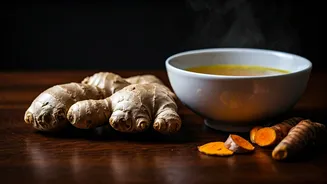
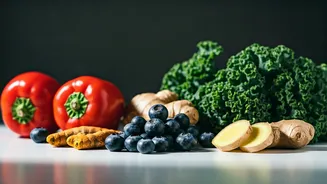
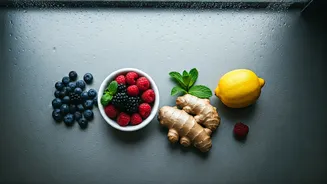
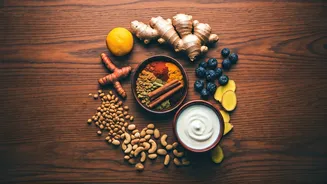
The monsoon is notorious for bringing a surge in viral and bacterial infections, from the common cold and flu to more serious fevers. Fortifying your immune system is crucial. Incorporate natural immunity-boosters into your daily diet. Spices like turmeric (haldi), ginger (adrak), garlic (lehsun), and black pepper (kali mirch) are packed with anti-inflammatory and antimicrobial properties. Start your day with a glass of warm water with lemon and honey, sip on herbal teas like tulsi or ginger tea throughout the day, and be generous with these spices in your cooking. A pinch of turmeric in your milk before bed can also work wonders.
Avoid Raw Foods and Pre-Cut Fruits
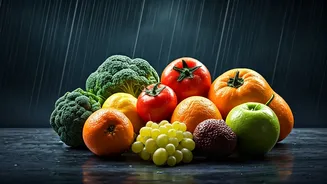
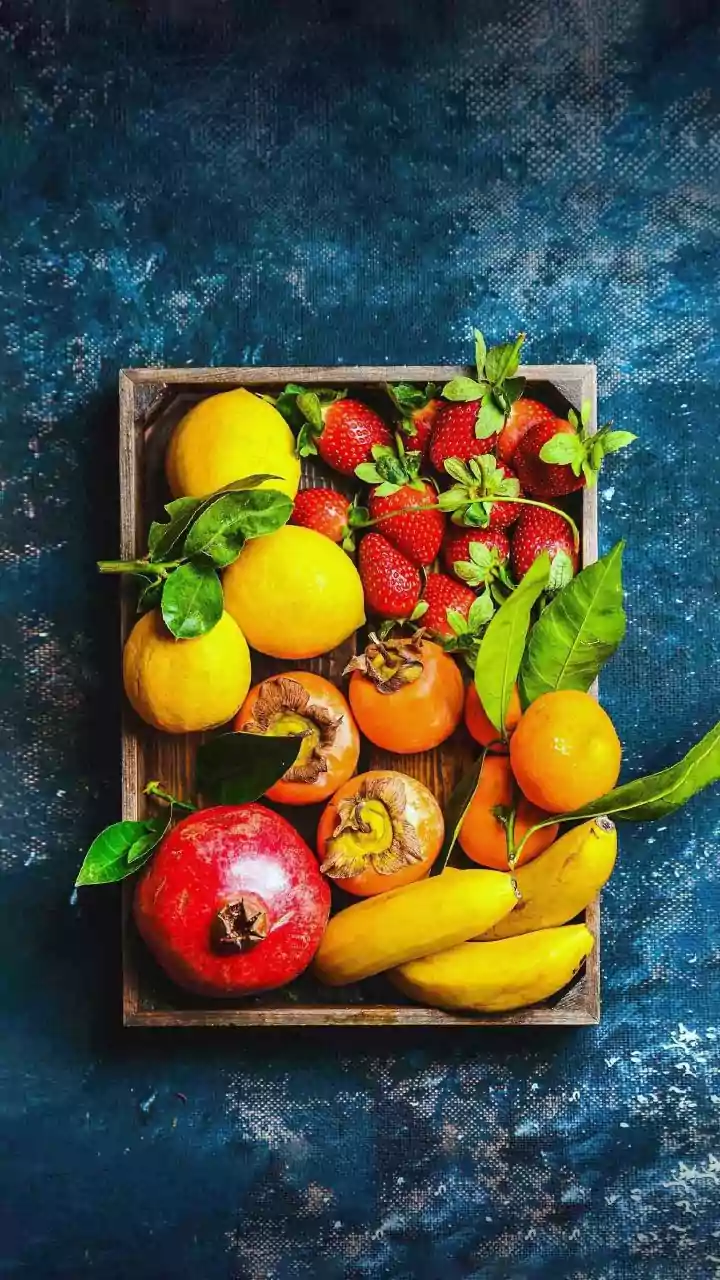
Raw foods, including salads and juices from outside vendors, pose a significant risk during the rainy season. Uncooked vegetables may carry harmful germs that aren't destroyed by heat. Similarly, pre-cut fruits sold on the street can be exposed to contaminated air and water for hours. Even fruit juices can be a problem if prepared with unpurified water or ice. It's best to avoid them entirely. If you want a salad, prepare it at home using vegetables that have been washed meticulously in clean, potable water. For fruits, choose those with thick peels like bananas and oranges, and wash and peel them yourself just before eating.
Rethink Your Seafood Intake
The monsoon season is the breeding season for most fish and other marine life. Consuming them during this period is not only environmentally questionable but can also be a health risk. Water pollution levels tend to be higher during the rains, which means fish can be more contaminated. If you are a non-vegetarian, it is safer to opt for chicken or mutton from a reliable source. If you must have seafood, ensure it is extremely fresh and cooked thoroughly until it is piping hot to kill any potential pathogens.