

What Exactly Are Friselle?
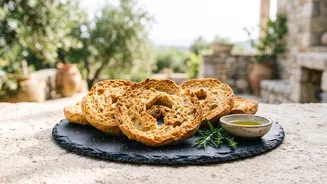
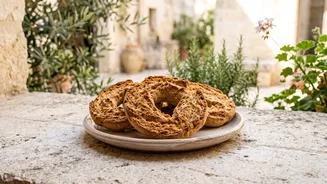
Friselle, also known as frise or freselle depending on the region, are a type of twice-baked bread originating from Southern Italy, particularly Puglia, Campania, and Calabria. Made from simple ingredients like durum wheat or barley flour, water, yeast,
and salt, they are formed into rings, baked, and then cut in half horizontally before being baked a second time. This double-baking process is what removes nearly all the moisture, resulting in a very hard, dry, and incredibly crunchy rusk with a remarkable shelf life. In fact, when stored properly in an airtight container, they can last for many months.
A History Born of Necessity
The origins of friselle are ancient, dating back centuries to a time before modern refrigeration. They were the perfect food for sailors, fishermen, and farmers who needed sustenance that would not spoil during long journeys at sea or extended periods away from home. Sometimes called the 'bread of the Crusaders', their durability made them an essential provision for long-distance travellers. The ring shape was also practical, as it was said that sailors could thread them onto a rope for easy storage and transport. This humble food, born from the need to preserve bread, has since evolved from a meal of survival into a beloved element of Italy’s culinary heritage.
The Magic of the Second Bake
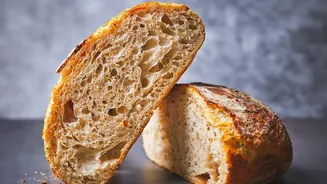
The secret to the frisella’s unique character lies entirely in its preparation. The initial bake cooks the dough until it's firm, which takes about 15 to 40 minutes. After a brief cooling period, the rings are cut in half. This reveals a rough, porous interior that is distinct from the smoother, hard crust on the outside. The halves are then returned to the oven at a lower temperature for a much longer period, sometimes for several hours, until they are completely dehydrated and golden brown. This second bake is not just about drying; it transforms the texture, creating a sturdy base that is engineered to be rehydrated, absorbing liquids on its porous side while the crust remains firm.
How to Prepare the Perfect Friselle
Eating a frisella dry is a challenge for even the strongest teeth. The correct way to enjoy one involves a ritual known as ‘sponzare’, which means to wet or moisten. You must briefly dip the frisella in a bowl of cold water for just a few seconds. The goal is to soften the porous top side just enough to be pleasant to eat, while the bottom retains some of its signature crunch. Over-soaking is a common mistake that turns the bread into mush. In ancient times, sailors would simply dip them in clean sea water. Once softened, the classic topping is a simple but flavourful combination of fresh, chopped cherry tomatoes, fragrant oregano, a pinch of salt, and a generous drizzle of high-quality extra virgin olive oil. The rough surface of the frisella is perfect for catching all the juices and flavour.
Endless Culinary Possibilities
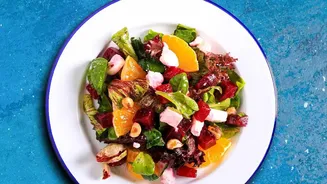
While the classic tomato topping is a perfect expression of summer in a dish, the versatility of friselle doesn't end there. They provide a wonderful base for a wide variety of ingredients. You can rub a clove of garlic on the surface before adding toppings for an extra layer of flavour. Other popular additions include tuna, anchovies, olives, capers, or fresh mozzarella, turning a simple snack into a complete and satisfying meal. Whether served as a light lunch, an appetiser, or part of a larger spread, the frisella offers a unique taste of Italian tradition that is both simple and profoundly delicious.