






Wash and Dry Immediately
The single most important step after your feet get wet is to wash them as soon as you get indoors. Walking through puddles exposes your skin to water mixed with dirt, sewage, and germs, which can lead to infections. Use a mild soap or antiseptic cleanser
and warm water, paying close attention to the spaces between your toes where moisture and fungi love to hide. After washing, drying your feet thoroughly is crucial. Pat them dry with a clean towel, ensuring no dampness remains, especially between the toes. This simple act significantly weakens the environment for fungal growth.
Choose the Right Footwear
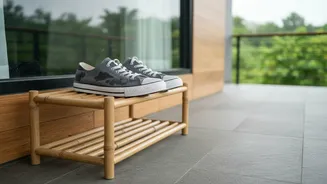
Your choice of shoes plays a huge role in monsoon foot health. Avoid materials like leather or canvas that absorb water and take a long time to dry. Instead, opt for waterproof, open-toed footwear like rubber sandals or flip-flops that allow air to circulate and help your feet dry faster. It's also wise to alternate your shoes; never wear the same pair two days in a row. This gives your footwear at least 24 hours to dry out completely, preventing it from becoming a damp haven for bacteria and fungi.
Use Antifungal Powder Proactively
A key preventative measure is the regular use of an antifungal or talcum powder. After drying your feet, sprinkle a good quality powder all over, again focusing on the gaps between your toes. You can also dust some inside your socks and shoes before wearing them. This helps absorb excess sweat and moisture throughout the day, making it much harder for common monsoon issues like Athlete's Foot to develop. It's a simple step that acts as a powerful shield against infection.
Indulge in a Therapeutic Soak
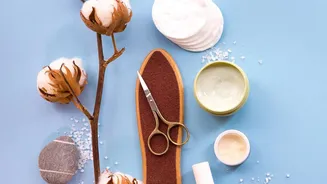
Once or twice a week, treat your feet to a soothing soak. This isn't just a pampering session; it's a hygiene practice. Soaking your feet for 10-15 minutes in a basin of warm water with a bit of salt or a few drops of antiseptic liquid can help cleanse the skin and ward off infections. This helps to soften the skin, making it easier to gently exfoliate any dead skin cells with a pumice stone. This routine removes the build-up of dirt and dead skin that can otherwise harbour germs.
Maintain Nail and Skin Health
Proper nail care is essential during the monsoon. Keep your toenails trimmed straight across to prevent dirt and germs from accumulating underneath. Avoid cutting them too short or rounding the edges, which can lead to ingrown nails and infections. While keeping feet dry is a priority, the skin on your heels can still become dry and cracked. Apply a good moisturiser to your heels before bed to keep them soft and prevent cracks that can become entry points for bacteria. However, avoid applying lotion between your toes, as the extra moisture can encourage fungal growth.
Know When to See a Doctor
While these tips can prevent most common issues, it's important to recognize signs of a persistent infection. If you notice persistent itching, redness, cracking or peeling skin, blisters, or a strong, foul odour that doesn't go away, it's time to consult a doctor or dermatologist. Conditions like Athlete's Foot are highly contagious and often require over-the-counter or prescription antifungal creams to resolve fully. Early treatment can prevent the infection from spreading to your nails or other parts of your body.