
Start Bone Dry, End Up Crispy
Moisture is the number one enemy of a crispy exterior. When wet food hits a hot pan, the liquid has to steam off before any browning can begin. This effectively boils the surface of your food, leading to a grey, soft texture. To combat this, always pat
your ingredients—whether it's chicken, fish, tofu, or vegetables—thoroughly dry with a paper towel before they go anywhere near the pan. This simple step ensures the heat from the pan is used for searing, not steaming.
Choose a Pan That Holds Its Heat
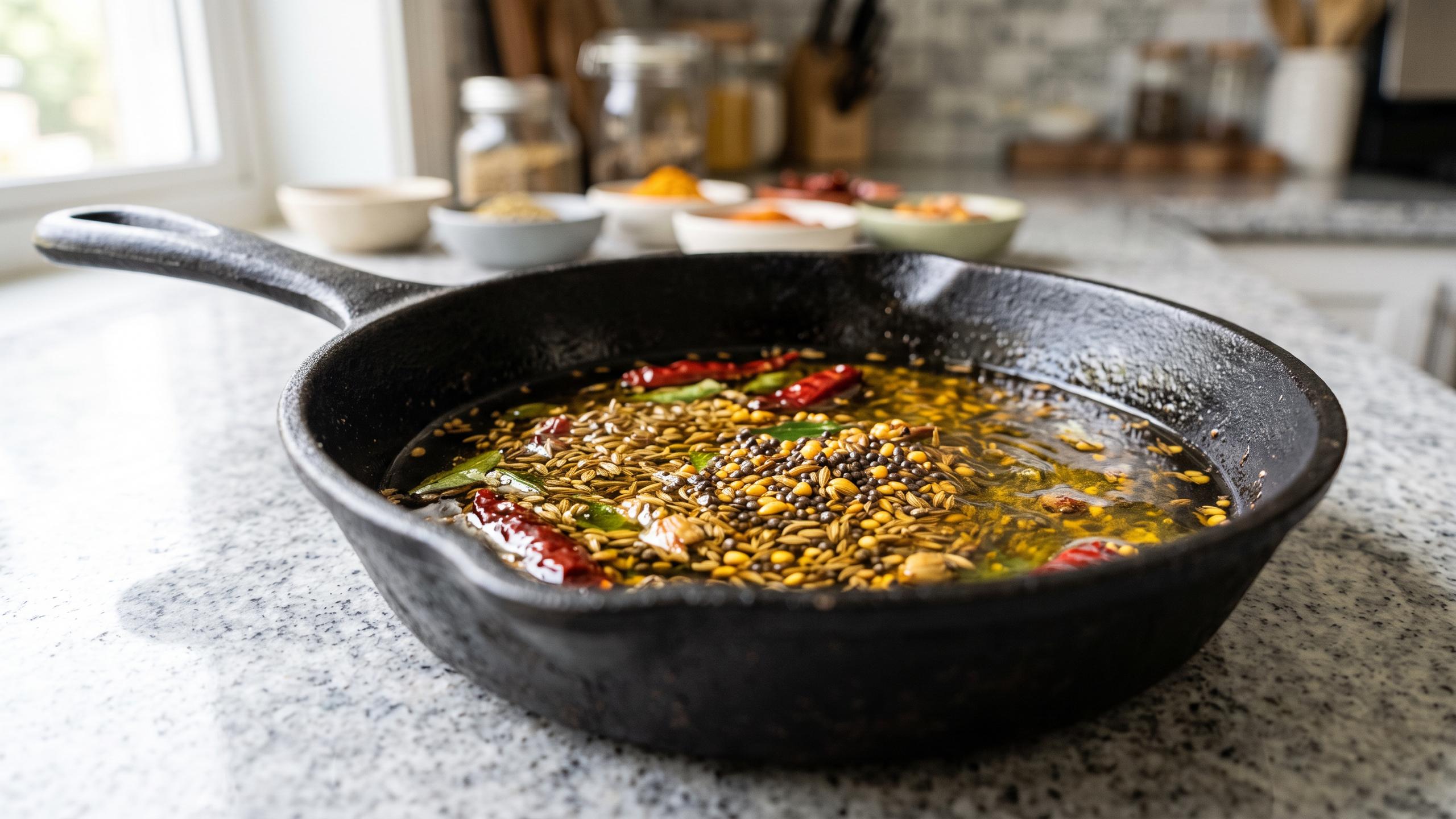
Not all pans are created equal when it comes to searing. For a truly crisp crust, you need a pan with excellent heat retention—one that won't cool down dramatically the moment you add your food. Heavy-bottomed pans made of cast iron, carbon steel, or multi-ply stainless steel are the gold standard. These materials act like thermal batteries, storing and delivering intense, steady heat to create a beautiful crust without interruption. While nonstick pans are great for eggs, they generally can't handle the high temperatures required for a proper sear.
Get the Pan Hot, Really Hot
Patience is a virtue, especially when preheating your skillet. Placing food in a lukewarm pan is a common mistake that leads to sticking and steaming. Heat your pan over medium-high heat before adding any fat. How do you know it's ready? A good test is to add a single drop of water; if it sizzles and dances across the surface before evaporating, you're at the right temperature. Only then should you add your oil.
Pick the Right Fat for the Job
The type of fat you use matters. Every oil has a 'smoke point', the temperature at which it begins to break down and burn. For high-heat searing, you need an oil with a high smoke point, generally 204°C (400°F) or above. Excellent choices include refined avocado oil, canola oil, grapeseed oil, and safflower oil. You only need enough to coat the bottom of the pan in a thin, shimmering layer. Too much oil can result in greasy food, while too little will cause sticking.
Don't Crowd the Kitchen
It’s tempting to fit everything into the pan at once, but overcrowding is a guaranteed way to get soggy food. When too many items are packed together, they trap moisture and create steam, lowering the overall temperature of the pan. This prevents that desirable crust from forming. The solution is simple: cook in batches. Ensure there is plenty of space around each piece of food. It might take a few extra minutes, but the crispy, golden-brown results are well worth it.
Resist the Urge to Flip
Once your food is in the hot pan, leave it alone. Constant poking, prodding, and premature flipping disrupts the direct contact between the food and the hot surface, which is essential for developing a crust. Let the food sear undisturbed for several minutes. It will tell you when it's ready to be flipped; a properly seared piece of meat or vegetable will release easily from the pan. If it’s sticking, it likely needs more time.
The Science of Sizzle: The Maillard Reaction
That delicious browning isn't just a color change; it's a complex chemical process called the Maillard reaction. Occurring at temperatures typically above 140°C (280°F), this reaction between amino acids and sugars creates hundreds of new flavour and aroma compounds. It's responsible for the savoury, roasted notes in everything from a seared steak to the crust of freshly baked bread. By following the steps above—keeping things dry, using high heat, and giving food space—you are creating the perfect conditions for this magical reaction to happen.