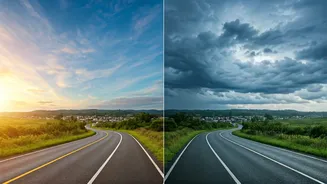









The End of Predictable Seasons
For generations, travel planning in India followed a familiar rhythm. We fled to the hills in summer to escape the heat and flocked to the coasts between October and February to avoid the monsoon. That calendar is now becoming increasingly unreliable.
Climate change is no longer a distant threat; it's a direct disruptor of our holiday plans. Extreme weather events are becoming the new norm. Just last year, India experienced extreme weather on a near-daily basis, from devastating floods in the northeast to unprecedented heatwaves across northern states. This isn't just an Indian phenomenon. From wildfires in Europe to hurricanes in the Caribbean, the global weather map is being redrawn, making traditional peak seasons a risky gamble. Destinations like Gulmarg and Auli are seeing shorter ski seasons due to declining snowfall, while cities like Bengaluru, once known as the 'Air-conditioned city', now experience surprising heatwaves.
From Afterthought to Action Plan
This uncertainty is fundamentally changing how we approach travel. A recent global survey revealed that nearly three-quarters of travellers now consider extreme weather risks when choosing both their destination and the timing of their trip. More than half have already altered travel plans due to weather concerns, and nearly 70% expect to do so regularly in the future. The pre-booking weather check is no longer just a cursory glance at a five-day forecast. It has evolved into a detailed investigation. Savvy travellers are now diving into long-range forecasts, historical climate data, and even studying micro-climates to find the safest window to travel. The psychological shift is significant: we are moving from passively hoping for good weather to proactively planning around the high probability of disruption.
Your New Travel Toolkit
Thankfully, technology offers a robust toolkit for the modern, weather-conscious traveller. While standard apps like The Weather Channel and AccuWeather are great for daily forecasts, planning a trip requires more powerful tools. Apps like Weather Underground tap into personal weather stations for hyper-local data, while services like Windy are invaluable for adventure travellers tracking storms and wind patterns. For long-range planning, it's wise to look at seasonal outlooks from reputable sources, focusing on trends rather than specific daily predictions. Beyond forecasting, the most important tool is flexibility. Booking refundable flights and accommodation is now the top confidence-booster for travellers, followed closely by comprehensive travel insurance that explicitly covers weather-related cancellations. Some airlines even offer 'Cancel for Any Reason' (CFAR) policies, which provide peace of mind in an unpredictable world.
Smart Planning in an Unpredictable World
Checking the weather is only the first step. The real art lies in building a resilient travel plan. This means looking beyond the peak season. The 'shoulder seasons'—the months just before and after the traditional peak—often offer more stable weather, fewer crowds, and better value. It also pays to have a Plan B. If your primary destination is a beach, consider a backup plan that involves indoor activities or exploring a nearby city in case of a sudden downpour. During major weather events, airlines often issue 'weather waivers,' allowing passengers to change their flights without the usual hefty fees, so it's crucial to stay informed about travel advisories. Being prepared for delays and cancellations is no longer pessimistic; it's pragmatic. This shift encourages a more mindful approach to travel, where understanding a destination’s climate is as important as knowing its main attractions.