




Known by many names, from the 'City of Joy' to the 'Cultural Capital of India', Kolkata also carries a historical moniker: the 'London of India'. This title isn't just a casual comparison; it's rooted in a deep, complex history.
The Rise of an Imperial Capital
Kolkata, then known as
Calcutta, wasn't always a sprawling metropolis. Its journey began in the late 17th century when the British East India Company established a trading post. Its strategic location on the Hooghly River, a key artery for trade, made it invaluable. By 1772, Calcutta's importance had grown so immense that it was declared the capital of British India, a position it would hold for nearly 140 years. This decision transformed the city from a commercial hub into the administrative and political nerve centre of the British Empire in Asia, second only to London in significance. All important offices were transferred from the previous provincial capital, Murshidabad, cementing Calcutta's role as the epicentre of British power.
Architectural Echoes of London
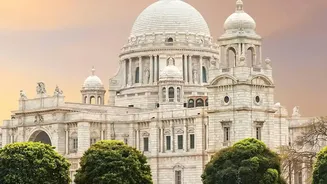
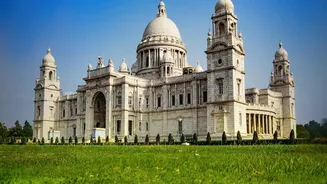
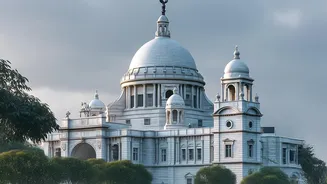
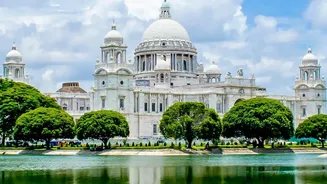
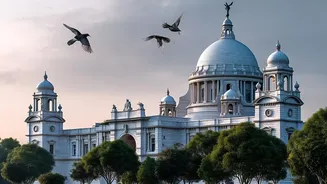
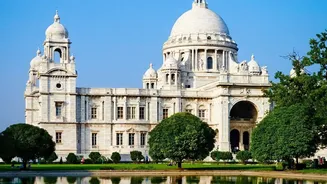
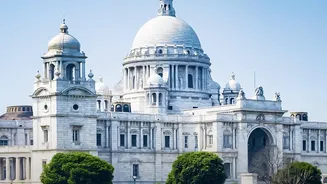
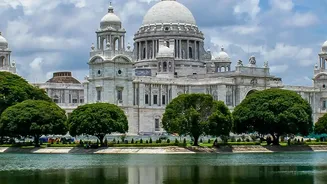
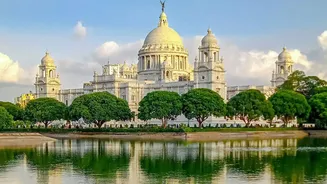
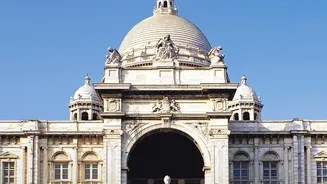
A walk through central Kolkata is a journey through a living museum of colonial architecture, which is the most visible reason for the 'London of India' nickname. The British intentionally designed parts of the city to mirror European, particularly British, urban styles. Grand edifices in Neoclassical, Gothic Revival, and Victorian styles began to dominate the skyline. The magnificent Victoria Memorial, a marble monument to Queen Victoria, blends British and Mughal design. St. Paul's Cathedral, with its Indo-Gothic style, the stately Raj Bhavan (formerly Government House), and the imposing General Post Office are all testaments to an era when Calcutta's streets were designed to evoke the grandeur of London. These structures gave the city an appearance so majestic it also earned the name 'City of Palaces'.
The Cradle of the Renaissance
Beyond bricks and mortar, Kolkata's resemblance to London was also intellectual and cultural. During the 19th and early 20th centuries, the city was the epicentre of the Bengal Renaissance, a phenomenal burst of social, cultural, and artistic activity. Like London, which was a global hub of ideas, Kolkata became the intellectual capital of India. It was home to reformers like Raja Ram Mohan Roy and literary giants like Rabindranath Tagore. The establishment of institutions like the Hindu College (now Presidency University) in 1817, one of Asia's oldest modern institutions of higher learning, and the Indian Museum solidified its role as a centre for education and enlightenment. This environment of 'furious, creative energy' was a key parallel to the dynamic cultural life of London.
The Capital Shifts, The Legacy Endures
The city's tenure as the supreme seat of power ended in 1911. At the Delhi Durbar, King George V announced the transfer of the capital of British India to Delhi. The move was prompted by several factors, including rising nationalist agitation in Bengal, which made Calcutta a volatile base for the colonial government, and the desire for a more centrally located capital. While the administrative focus shifted, the legacy of its time as capital remained deeply ingrained in Kolkata's identity. The architectural heritage, the intellectual traditions, and even the iconic tram system—the only one of its kind still operating in India—serve as constant reminders of its past glory and its deep connections to a bygone era.