







Chikmagalur: The Historic Heartbeat
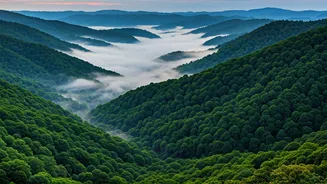
They say all Indian coffee began here, with seven beans smuggled from Yemen by the Sufi saint Baba Budan in the 17th century. Today, Chikmagalur in Karnataka remains the historic and spiritual home of Indian coffee. The beans grown on these lush, rolling
hills are known for their classic, well-balanced profile. Typically shade-grown under a canopy of jungle trees, Chikmagalur’s Arabica coffees offer a mild acidity with tasting notes of caramel, mild spices, and a hint of chocolate. It’s the perfect all-day coffee—smooth, comforting, and without any sharp edges. This season, look for washed process beans from this region, which produce a particularly clean and bright cup, allowing the subtle complexities of the terroir to shine through.
Coorg: The Bold and Bountiful
If Chikmagalur is the historic heart, Coorg (Kodagu) is the commercial engine of India’s coffee production. As the country's largest coffee-producing district, it’s responsible for a significant portion of both Arabica and high-quality Robusta. While Robusta often gets a bad rap, the fine Robusta from Coorg is a game-changer, prized for its full body, rich crema in espresso, and deep, chocolatey notes. Coorg’s Arabica, often grown alongside pepper and cardamom, picks up on these aromatic neighbours, resulting in a cup that is often described as bold, spicy, and complex. This is the coffee for those who want their brew to make a statement—strong, flavourful, and invigorating.
Araku Valley: The Organic Uprising
Located in the Eastern Ghats of Andhra Pradesh, Araku Valley is one of Indian coffee's most inspiring success stories. This region is known for its 100% organic, shade-grown Arabica, cultivated by local Adivasi communities. The unique terroir, with its iron-rich soil and cooler climate, produces a coffee unlike any other in India. Expect a medium-bodied cup with a bright, lively acidity and distinct notes of fruit—think berries, citrus, and even stone fruit. Araku’s coffees have gained international acclaim for their unique flavour profile and sustainable, community-driven farming practices. Choosing a coffee from Araku isn't just about enjoying a delicious brew; it's about supporting a remarkable socio-economic and ecological initiative.
Shevaroy Hills: The Fruity Surprise
Often overshadowed by its neighbours in Karnataka, the Shevaroy Hills in Tamil Nadu, particularly the area around Yercaud, produce some of India's most distinctive and aromatic coffees. The high altitude and specific microclimate yield Arabica beans that are exceptionally fragrant and complex. Coffees from this region are celebrated for their bright, almost floral aroma and pronounced citrus notes, often reminiscent of orange or sweet lime. They are typically medium-bodied with a crisp, clean finish. For those who enjoy the lighter, more acidic profiles found in some African coffees, the beans from the Shevaroy Hills offer a fascinating and delicious Indian alternative.
Bonus: The Magic of Monsooned Malabar
While not a region, no discussion of Indian coffee is complete without mentioning Monsooned Malabar. This is a unique processing method, not a place of origin. Green coffee beans from the Malabar Coast are exposed to humid monsoon winds for several weeks. This process, which mimics the effects of a long sea voyage in old wooden ships, causes the beans to swell, lose their acidity, and develop a completely unique flavour profile. The resulting coffee is incredibly full-bodied, with a low-acid, earthy, and almost savoury character. You’ll find notes of baker’s chocolate, nuts, and a touch of spice. It’s a polarizing but quintessentially Indian coffee experience that every enthusiast should try at least once.