


The Trend Trap
One minute, social media is flooded with colourful, layered bubble teas; the next, it’s all about mushroom-infused or CBD-laced wellness blends. These trends are exciting and draw new people into the world of tea, which is wonderful. Younger consumers,
in particular, are often drawn to teas promoted for their health benefits or aesthetic appeal. However, chasing trends can be exhausting and expensive. Just as quickly as a new fad appears, it can be replaced by the next big thing, leaving you with a cupboard full of teas you don't actually enjoy. The focus shifts from the timeless pleasure of the drink itself to the novelty of the moment. Consumers are also becoming more discerning, looking for clean labels and quality ingredients over artificial colours and gimmicks.
Back to Basics: The Six Types of Tea
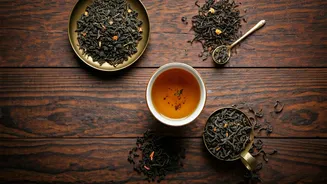
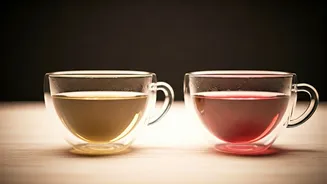
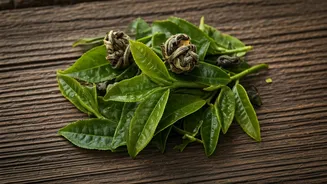
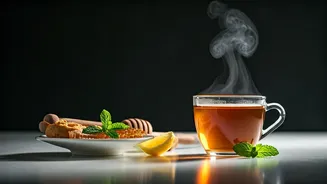
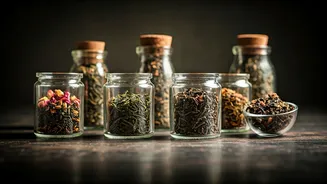
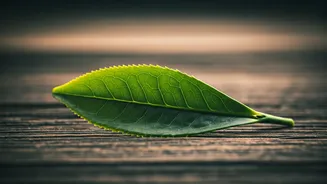
To find your personal preference, it helps to understand the fundamentals. Nearly all the tea in the world (excluding herbal infusions) comes from one plant: Camellia sinensis. The vast differences in flavour come from how the leaves are processed, specifically the level of oxidation. The six main categories are: Black Tea: Fully oxidized, resulting in dark leaves and a robust, malty flavour. Think English Breakfast or Earl Grey. It's a familiar starting point for many. Green Tea: Unoxidized to preserve its green colour and fresh, vegetal or grassy taste. Varieties include Sencha and Dragonwell. Oolong Tea: Partially oxidized, landing it somewhere between black and green tea. Its flavour can range from light and floral to dark and nutty. White Tea: The least processed type, made from young leaves and buds. It’s known for a delicate, subtle, and often slightly sweet flavour. Pu-erh Tea: An aged and fermented tea with a deep, rich, and earthy character that improves with time, much like a fine wine. Herbal Tisanes: Not technically "tea" as they don't come from the tea plant. Instead, they are infusions of fruits, flowers, spices, and herbs like mint or chamomile, and are typically caffeine-free.
How to Discover Your Flavour Profile
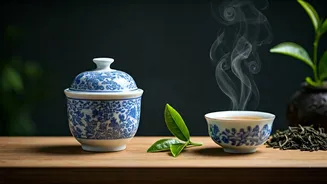
Finding the tea you love is a personal journey, not a test. A great way to start is by connecting tea flavours to other things you already enjoy. If you're a coffee drinker, you might appreciate the bold, rich notes of a black tea like Assam or a roasted oolong. If you prefer lighter, more delicate flavours, a white tea or a floral green tea could be a perfect match. Don’t be afraid to start small by purchasing sample sizes from tea purveyors. This allows you to explore a variety without committing to a large bag of something you may not like. When you taste, pay attention to the entire experience. Notice the aroma of the dry leaves, then the smell of the brewed tea. When you sip, let the tea wash over your whole tongue. Think about the mouthfeel—is it light, full-bodied, or smooth? And what about the aftertaste? Some teas have a finish that lingers pleasantly. Jotting down simple notes like "sweet," "smoky," or "citrusy" can help you build a vocabulary for what you enjoy.
Shopping with Confidence
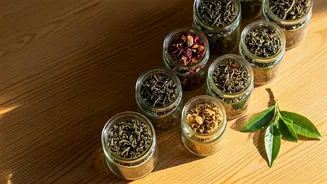
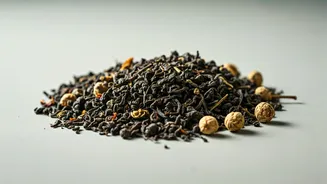
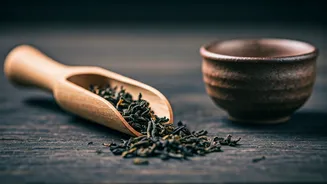
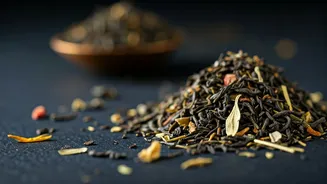
When you're at a tea shop or browsing online, it’s easy to be swayed by beautiful packaging or clever marketing. Instead, focus on the information that matters. Read the descriptions and ingredient lists. High-quality loose leaf tea often provides more flavour and aroma because the leaves are whole rather than crushed into dust for teabags. Don’t hesitate to ask questions. A knowledgeable seller can guide you based on the flavours you know you like. If you say, “I enjoy earthy, robust flavours,” they might point you toward a Yunnan black tea or a Pu-erh. By focusing on descriptions of taste rather than what's trendy, you are more likely to walk away with a tea you'll cherish. Remember that your preference is the only one that matters; there's no right or wrong answer in the world of taste.