



What is a Humidity Tray and How Does it Work?
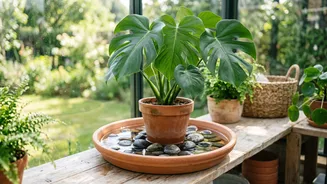
A humidity tray, often called a pebble tray, is a simple, low-tech device designed to increase the moisture in the air directly around your plant. It consists of a shallow, waterproof tray filled with a layer of pebbles, gravel, or decorative stones.
Water is added to the tray, but only to a level just below the top of the pebbles. The plant's pot rests on top of the dry stones, ensuring its base and roots never sit in standing water, which could lead to root rot. The principle is straightforward: the water in the tray slowly evaporates, releasing water vapour into the immediate vicinity and creating a small pocket of higher humidity around the plant’s foliage.
How to Make Your Own Humidity Tray
Creating your own humidity tray is an easy and inexpensive project. You will need a shallow, watertight tray that is at least a few inches wider than the base of your plant's pot. A plant saucer, baking dish, or boot tray will work perfectly. Next, you need pebbles, gravel, or small rocks to fill it. First, rinse the pebbles to remove any dust. Spread an even layer, about one to two inches deep, across the bottom of the tray. Finally, pour water into the tray until the level is just below the surface of the pebbles. Place your potted plant on top, making sure the bottom of the pot is resting on the stones and not touching the water. You will need to refill the water every few days as it evaporates.
Which Plants Benefit the Most?
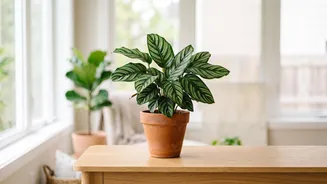
Not all plants crave high humidity. Species native to arid environments, like succulents and cacti, prefer dry air and will not benefit from a humidity tray. However, a vast number of popular houseplants originate from tropical rainforest floors and will appreciate the extra moisture. These include ferns (especially Boston and maidenhair ferns), calatheas, marantas (prayer plants), alocasias, and many orchids. Other common plants that respond well to this gentle boost in humidity are peace lilies, begonias, and philodendrons. These plants often show signs of stress in dry air, such as browning leaf tips or curling edges, which a humidity tray can help prevent.
Managing Expectations: Tray vs. Humidifier
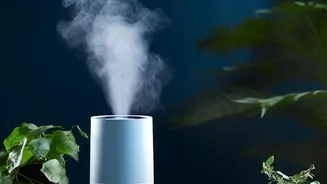
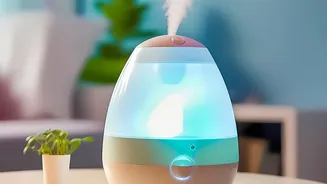
While the headline suggests humidity trays can replace electric humidifiers, it is important to understand their limitations. A humidity tray creates a localized microclimate; it will not significantly raise the overall humidity of an entire room. Studies and tests show that a pebble tray might increase the relative humidity by a few percentage points in the immediate vicinity of the plant. For many common tropical plants in an average home, this small, constant boost is enough to keep them happy. However, for very sensitive species like some calatheas that require sustained high humidity (above 60%), or for large plant collections in a very dry room, an electric humidifier is a more powerful and effective solution. A humidifier can raise the humidity of an entire room by 15-25%. Grouping plants together can also help, as their collective transpiration creates a more humid environment.
The Verdict: A Smart First Step
A humidity tray is an excellent, cost-effective tool for the average plant owner. It provides a gentle, continuous source of moisture that benefits a wide range of popular houseplants, and it cleverly doubles as a drainage tray to catch excess water and prevent root rot. It is an ideal first line of defense against the dry air produced by indoor heating and air conditioning. For those with just a few plants or species that are only moderately fussy, a pebble tray is often all that is needed to prevent crispy leaf tips and keep foliage looking lush. It is a low-maintenance, silent, and aesthetically pleasing solution that addresses a common plant care problem without the cost, noise, and regular cleaning required by an electric humidifier.