


From Itinerary to Intention
There’s a quiet revolution happening in how young Indians approach their time off. The traditional holiday, often a whirlwind tour of famous landmarks, is being replaced by a more deliberate and introspective form of travel. For Gen Z and young millennials,
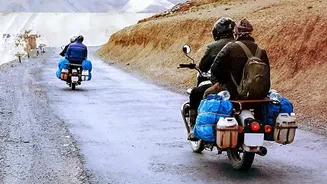
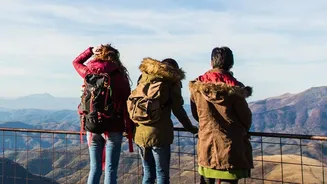
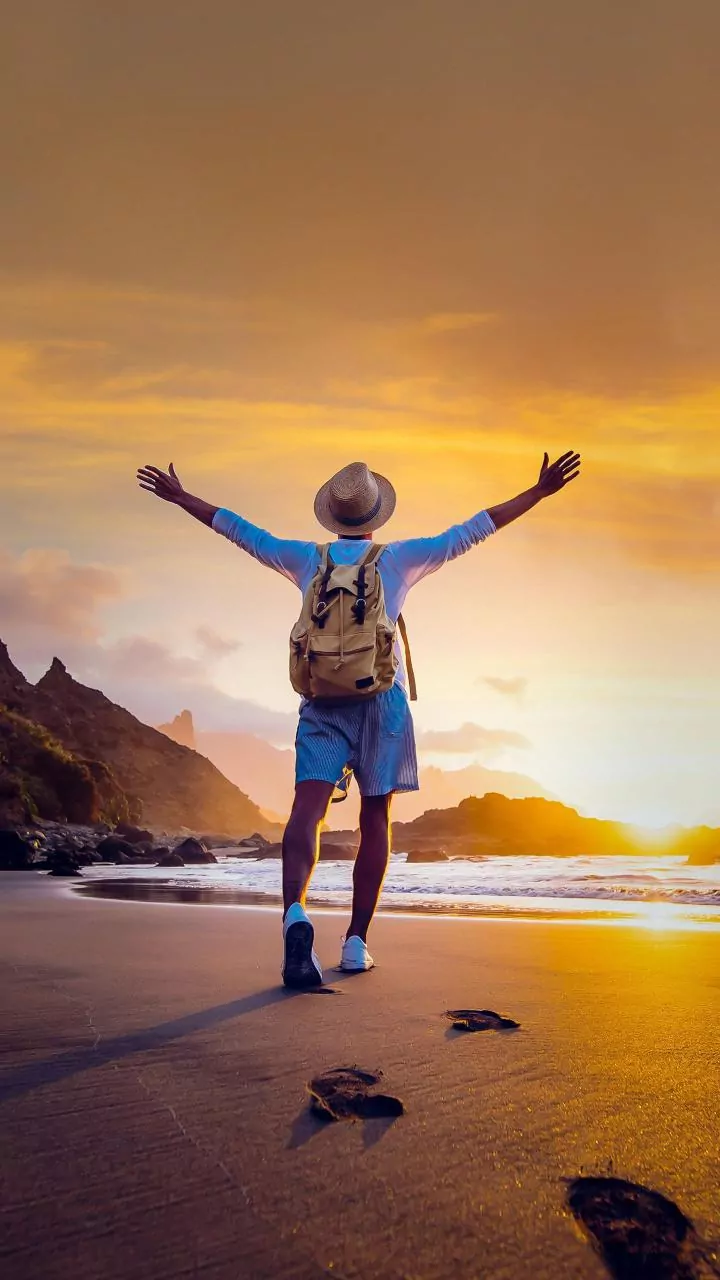
a trip's success is less about the photos taken and more about the personal transformation achieved. This generation is driven by a desire for experiences over destinations. According to a 2026 travel report, 56% of young Indian travellers prioritise cultural exploration, and 72% see relaxation as a core goal, indicating a shift towards travel with a clear purpose. It’s not just a break from work; it's a dedicated time for personal growth, mental reset, and authentic connection.
Wellness Beyond the Spa
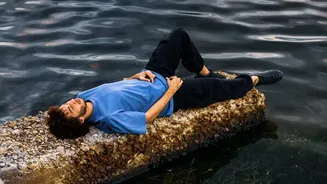
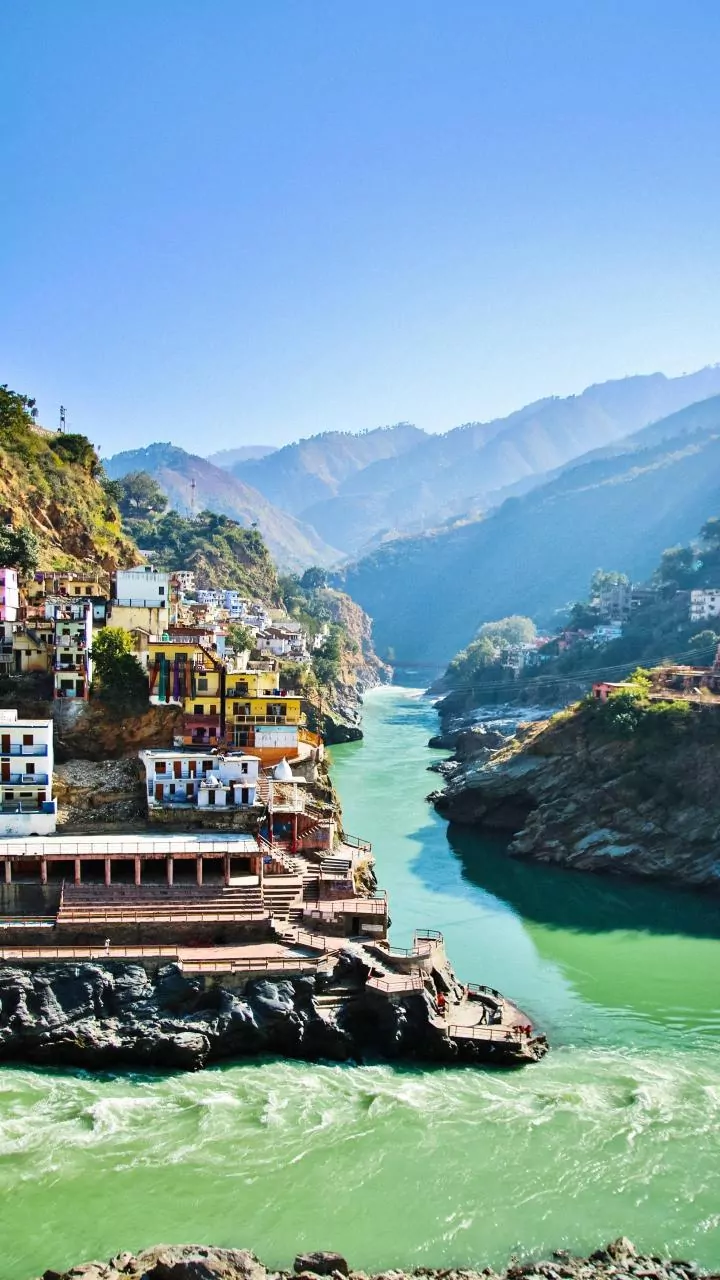
When young travellers talk about wellness, they mean more than a massage. It's a holistic concept encompassing mental, emotional, and physical health. Facing urban burnout and the pressures of a hyper-connected world, they are actively seeking refuge in travel. This has fuelled a boom in wellness tourism, with a focus on destinations that offer digital detoxes, guided meditation, yoga retreats, and nature immersion. A trip to Rishikesh, for example, is less about café hopping and more about a structured programme to balance the nervous system. This desire for genuine restoration has also seen a rise in solo travel, particularly among women, who are using these journeys as a radical act of self-care to disconnect from daily responsibilities and reconnect with themselves.
Deeper Dives into Culture
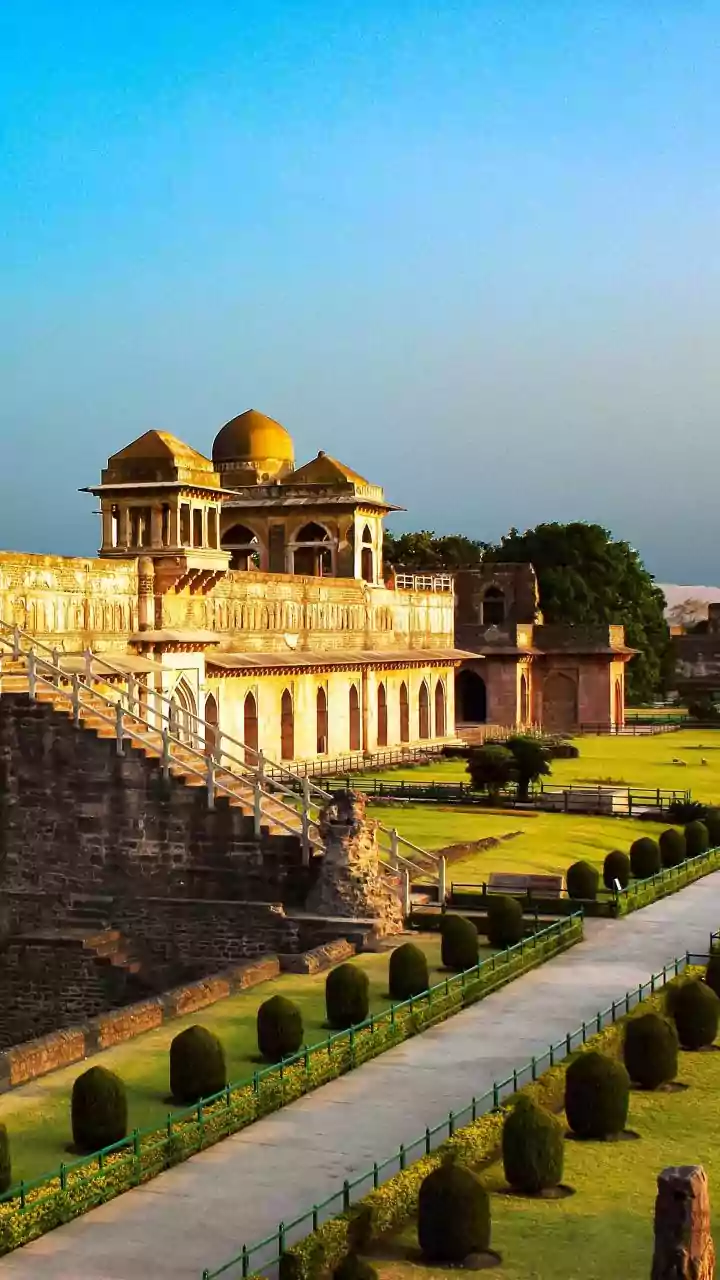
Cultural discovery for the young Indian traveller goes far beyond visiting historical monuments. It’s about immersive experiences that offer a genuine sense of place. This generation is leading a movement towards 'culture-first' travel, with a high percentage of millennials and Gen Z stating they design holidays specifically around cultural experiences. This could mean participating in a craft workshop in a Rajasthani village, following a food trail through Kerala, or opting for a homestay to understand local life up close. Even spiritual tourism is seeing a revival, with younger crowds visiting pilgrimage sites not just for religious reasons, but for the cultural experience and emotional connection they offer. This shift demonstrates a move away from passive observation towards active participation and learning.
The Rise of the 'Workation'
The line between work and travel is also blurring, giving rise to the 'workation'. Enabled by the growth of remote and hybrid work models, young professionals are trading their home offices for scenic backdrops in the mountains or by the sea. A workation isn't a holiday; it's the continuation of a normal work schedule in a new, inspiring environment. This trend is a direct response to urban burnout, allowing individuals to break the monotony and improve their work-life balance without taking a formal break from their careers. It reflects a generational mindset that prioritises flexibility and views a change of environment as a boost to both productivity and mental well-being.