






The Climate Pattern Explained
At its core, El Niño is a natural phenomenon characterized by the unusual warming of surface waters in the eastern Pacific Ocean. While it happens thousands of kilometres away, this warming is powerful enough to disrupt atmospheric circulation and alter
weather patterns across the globe. For India, the connection is critical and often worrying. Historically, strong El Niño events have been linked to a weaker southwest monsoon, the season that delivers about 80% of the country's annual rainfall. This disruption to the monsoon is the primary channel through which El Niño’s global signal is felt in Indian fields and homes.
Why India's Rains Are at Risk
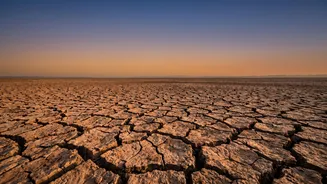
The 2026 monsoon season is already showing signs of stress. As of mid-September, cumulative rainfall across the country is running at a significant deficit, about 15% below the long-term average, putting India on course for its driest monsoon in 17 years. This shortfall is being directly linked to the strengthening El Niño, which has weakened the moisture-carrying winds that are the lifeblood of the monsoon. While a late-season cyclone might bring some relief to eastern regions, it is unlikely to change the overall national picture. The India Meteorological Department (IMD) had earlier forecast a below-normal monsoon, and the current conditions confirm these fears, raising alarms for both the ongoing kharif crop season and the upcoming rabi season.
The Impact on Food Prices
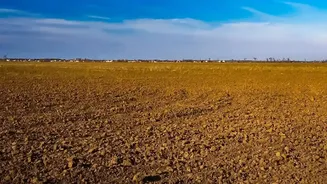
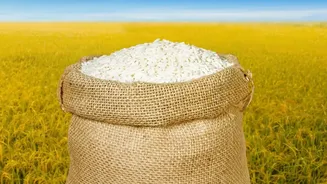
Deficient rainfall directly translates to pressure on your kitchen budget. A weak monsoon hits the output of rain-fed kharif crops like rice, pulses, maize, and oilseeds hard. With lower production, the supply of these essential commodities tightens, leading to a spike in food prices. This isn't a theoretical risk; prices for key crops like arhar and maize have already seen a significant rise. The Reserve Bank of India (RBI) has repeatedly flagged El Niño as a key risk to the inflation outlook, noting that while underlying price pressures are contained for now, food inflation could push the headline rate higher in the coming months. The government has taken steps like allowing duty-free imports of some goods to bolster supplies, but a poor harvest could still exert considerable pressure on household finances.
Dwindling Reservoir Levels
Beyond the immediate concern of food prices is the equally critical issue of water supply. A weak monsoon means that the country's 161 major reservoirs are not being replenished adequately. As of September 2026, water levels are already reported to be billions of cubic metres short of last year's levels and well below their total capacity. This has a cascading effect. It threatens drinking water availability in many regions and jeopardizes the rabi (winter) crop season, which is heavily dependent on irrigation from these reservoirs. Furthermore, lower water levels impact hydroelectric power generation, adding another layer of economic stress. States like Karnataka are already facing severe drought conditions.
How Is India Preparing?
The government is not sitting idle. Taking a proactive stance, authorities have been on alert since April, preparing contingency plans for hundreds of agricultural districts. These plans focus on promoting the cultivation of crops that require less water and have shorter growth durations, such as millets and certain pulses. Efforts are also underway to enhance water conservation and harvesting in vulnerable districts. The country is also relying on its substantial buffer stocks of food grains to manage any immediate shortfalls and control prices. The situation is being closely monitored by the IMD and various ministries to activate responses as the situation evolves and protect farmers from the worst impacts.