



The Indoor Greenhouse Effect
We think of our homes as a refuge from the sweltering heat and humidity, but they can often have the opposite effect for our pets. High humidity is the core of the problem. Unlike humans, dogs and cats can't sweat efficiently to cool their bodies. Dogs
rely on panting, and cats on grooming, but when the air is already saturated with moisture, this evaporation process becomes ineffective. This means they can't regulate their body temperature, even when they aren't directly in the sun. Modern apartments, especially those with large glass windows and poor cross-ventilation, can quickly trap heat and moisture, creating a personal greenhouse that poses a significant risk of overheating and heatstroke.
Recognising the Danger Signs
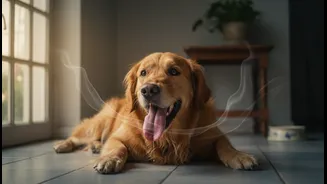
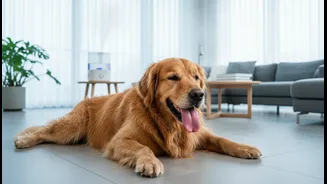
Knowing the early signs of heat distress is critical. Since pets can't tell us they're struggling, owners must be vigilant observers. Early symptoms are often subtle but escalate quickly. Look for excessive or rapid panting that doesn't stop with rest. Other key indicators include unusually thick or sticky drool, restlessness, and seeking out cool surfaces like tiled floors. As the situation worsens, you might notice bright red gums, weakness or lethargy, stumbling, vomiting, or diarrhea. In cats, the signs can be even more subtle, often manifesting as increased hiding or lethargy. Breeds with flat faces, such as Pugs and Persian cats, as well as elderly or overweight pets, are at a much higher risk.
Proactive Cooling Strategies
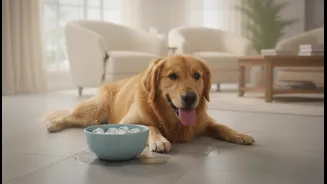
The best approach is prevention. Simple, proactive measures can make a world of difference. Ensure your pet has constant access to multiple bowls of fresh, cool water; adding ice cubes can help keep it chilled longer. If you don't have air conditioning, use fans to circulate air. Placing a frozen bottle of water or a bowl of ice in front of a fan can create a makeshift cool breeze. Create a dedicated cool zone in the house, preferably in a room with tiled flooring and drawn curtains to block direct sunlight. Encourage your pet to rest during the hottest parts of the day and avoid even indoor play that could raise their body temperature.
Simple and Effective Cooling Hacks
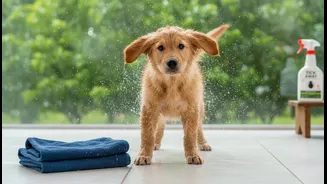
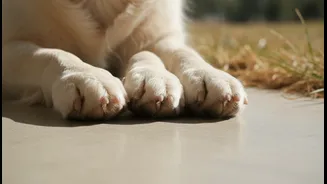
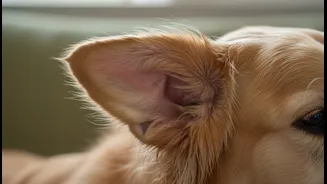
You don't need expensive equipment to keep your pet comfortable. A simple but effective method is to use damp towels. You can lay a cool, damp towel on the floor for your pet to lie on. Alternatively, gently wiping their paws and ears with a wet cloth can provide immediate relief, as these are key areas for heat exchange. Consider getting a cooling mat, which absorbs body heat. Frozen treats are another great option. You can freeze low-sodium chicken broth in an ice cube tray or stuff a toy with frozen, pet-safe snacks. Regular grooming is also important, as matted fur can trap heat, but consult a professional before shaving a double-coated dog, as their coat can provide insulation from heat.
What to Do in an Emergency
If you suspect your pet is suffering from heatstroke, you must act immediately. This is a life-threatening emergency. The first rule is to cool your pet down before transporting them to the vet. Move them to the coolest, best-ventilated area you can find. Begin cooling them by pouring cool—not ice-cold—water over their body, focusing on the head, neck, and legs. Using water that is too cold can cause shock and constrict blood vessels, hindering the cooling process. You can also place wrapped ice packs on their legs and neck. Direct a fan towards them to speed up evaporation. While you are doing this, have someone call your veterinarian immediately to let them know you are on your way. Even if your pet seems to recover, an urgent vet check is essential to assess for organ damage.