

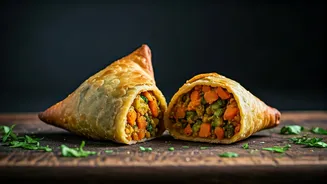
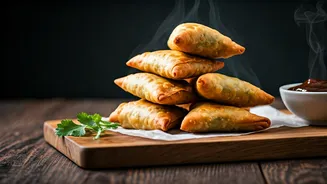


The Secret Starts With The Dough
The foundation of a great samosa, whether fried or baked, is the pastry. The signature crispness and flakiness don't come from the frying oil alone; they are born in the dough itself. The key is a technique called 'moyen,' which is the process of rubbing
fat into the flour. For a healthier version, you can use either ghee or a neutral oil. The ratio is crucial: aim for about 1/4 cup of fat for every 2 cups of all-purpose flour (maida). Rub the fat into the flour with your fingertips until the mixture resembles coarse breadcrumbs. This process coats the flour particles, preventing gluten from overdeveloping and ensuring a tender, flaky crust rather than a hard, chewy one. When you add water, do it sparingly. The dough should be firm and stiff, not soft and pliable like chapati dough. A stiff dough steams less and crisps up more effectively during baking. After kneading, let it rest, covered, for at least 30 minutes. This allows the gluten to relax, making the dough easier to roll without it shrinking back.
Crafting a Flavourful (And Dry) Filling
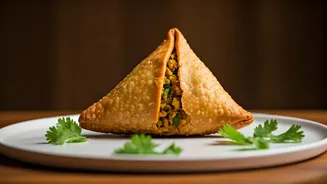
A soggy samosa is a tragedy, and the culprit is almost always a wet filling. While deep-frying can sometimes salvage a slightly moist interior, baking and air frying are less forgiving. Your goal is maximum flavour with minimum moisture. Start by boiling your potatoes until they are just tender, not mushy. It's even better to steam or bake them, as this introduces less water. Once cooked, let them cool completely and then crumble or roughly mash them. For the other ingredients, like green peas (matar), ensure they are thawed and patted dry. When you prepare the masala, sauté your onions, ginger, and spices until they are very fragrant and any moisture has cooked off. Add your potatoes and peas at the very end, mixing just enough to combine. Avoid adding water, tomatoes, or other watery ingredients to the potato filling. Let the filling cool down to room temperature before you start shaping the samosas. A hot filling will create steam inside the pastry, leading to a soft, disappointing crust.
The Oven-Baked Method for Golden Perfection
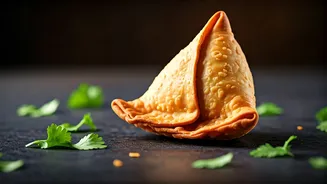
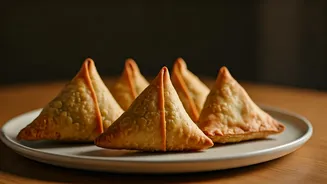
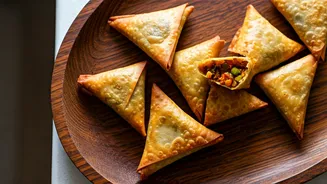
Baking is a fantastic, hands-off way to cook a large batch of samosas at once. The key to achieving a golden, crispy shell in the oven is a combination of high heat and a light coating of oil. First, preheat your oven to 200°C (400°F). Line a baking sheet with parchment paper to prevent sticking. After you’ve filled and sealed your samosas, arrange them on the sheet, leaving a little space between each one for air to circulate. Now for the most important step: lightly brush each samosa on all sides with oil or melted ghee. This is not for flavour, but for crisping; the oil helps conduct the oven's heat, effectively 'frying' the surface of the pastry. Bake for 20-25 minutes, flipping them halfway through the cooking time. They are ready when they are a deep golden brown and sound hollow when tapped. Don't be tempted to pull them out when they are pale yellow; that extra time in the oven is what develops the satisfying crunch.
Using an Air Fryer for a Quicker Crunch
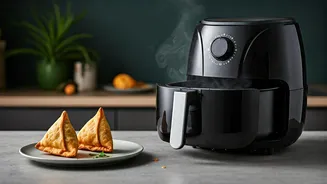
The air fryer is arguably the best tool for recreating that deep-fried texture with minimal oil. It works by circulating extremely hot air at high speed, quickly crisping up the exterior of the food. To make air-fried samosas, preheat your air fryer to 180°C (350°F). Just like with baking, you need to brush your samosas with a thin layer of oil. This is non-negotiable for a crispy, non-powdery finish. Place the samosas in the air fryer basket in a single layer. Do not overcrowd them! Cooking in batches is essential for the best results. If they are packed too tightly, they will steam instead of crisping. Air fry for about 12-15 minutes, pausing to flip them over halfway through. Because air fryers are so powerful, keep an eye on them towards the end of the cooking time to ensure they don’t burn. You're looking for that same beautiful golden-brown colour you'd get from a kadai.