



Embracing the Downpour
Locally known as Sohra, Cherrapunji in Meghalaya holds a legendary status. For decades, it was celebrated as the wettest place on Earth, a title now held by nearby Mawsynram. But the reputation endures. From June to September, the monsoon descends with
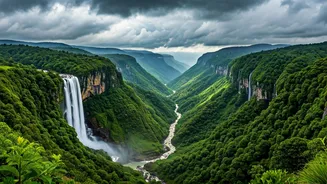
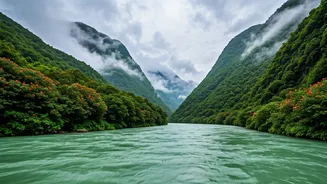
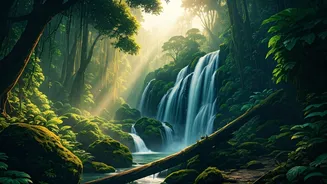
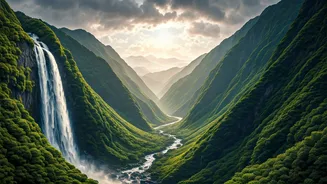
an intensity that reshapes the very definition of 'heavy rain'. For most, this is a time to stay indoors. For the extreme trekker, however, this is when Sohra reveals its true, untamed soul. The waterfalls, often gentle streams in the dry season, become thunderous torrents of white fury. The hills are cloaked in a hundred shades of impossible green, and a permanent, mystical mist hangs in the air. Trekking here during this season is not about avoiding the rain; it's about surrendering to it and witnessing a world reborn.
The Living Root Bridges of Nongriat
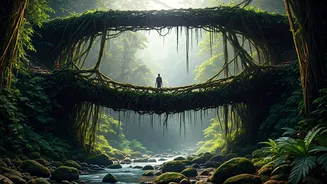
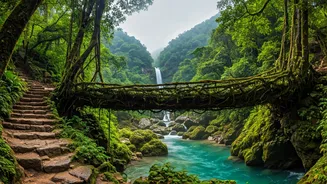
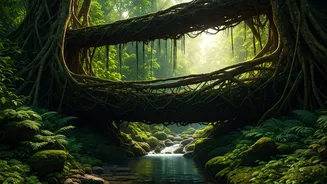
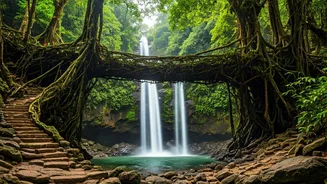
The ultimate prize for many who brave the monsoon is the trek to the village of Nongriat, home to the famous Jingkieng Nongriat, or the Double-Decker Living Root Bridge. These incredible structures are not built but grown by the local Khasi tribes over decades, weaving the aerial roots of the Ficus elastica tree across rivers. During the monsoon, the experience is otherworldly. The surrounding jungle is deafeningly alive with the buzz of insects and the roar of the river below. The bridges themselves, slick with rain and draped in moss, feel ancient and alive. The trek involves descending over 3,500 steep, often slippery stone steps. It’s a grueling journey that tests your knees and your resolve, but the sight of the two-tiered bridge, standing strong against the swollen river, is an unparalleled reward.
What 'Extreme' Really Means Here
The term 'extreme' in the context of Cherrapunji isn't about high-altitude mountaineering or technical rock climbing. It refers to the environmental challenge. The primary obstacle is the terrain itself, made treacherous by constant rain. Stone paths and ancient steps become slick with moss and water, demanding careful footing and a slow, deliberate pace. Humidity is at its peak, meaning you'll be drenched in a combination of sweat and rain, no matter what waterproof gear you wear. And then there are the leeches. These tiny bloodsuckers are an unavoidable part of the monsoon ecosystem. While harmless, they require a certain mental fortitude to deal with. The challenge is one of endurance, patience, and a willingness to be uncomfortable in pursuit of raw, natural beauty.
Essential Gear and Safety
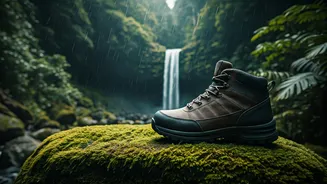
Preparation is the key to enjoying, rather than just enduring, a monsoon trek in Cherrapunji. Forget heavy raincoats; the humidity will soak you from the inside. Instead, opt for lightweight, quick-drying clothes. A good pair of trekking shoes with excellent grip is non-negotiable. Many locals and experienced trekkers opt for sturdy sandals that can handle being wet. Carry a waterproof bag or a dry sack for your electronics and wallet. Pack a small pouch of salt or a lime to easily remove leeches, and consider wearing leech socks. A walking stick or trekking pole is invaluable for maintaining balance on slippery descents. Finally, always hire a local guide. They know the paths intimately, understand the weather patterns, and can judge when a river crossing is safe or a trail has become too dangerous.
Beyond the Double-Decker
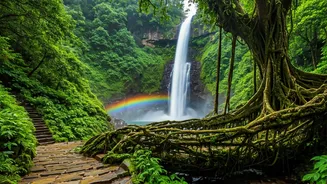
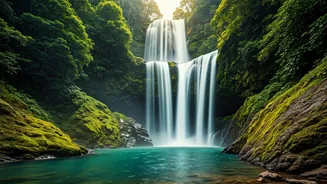
While the Nongriat trek is the most famous, Cherrapunji offers other stunning monsoon routes. The trek to the powerful Nohkalikai Falls, one of India’s tallest plunge waterfalls, is short but offers breathtaking views of its raw power during the rains. Another challenging but rewarding hike leads to the ethereal Rainbow Falls, a cascade that often creates a permanent rainbow at its base when the sun breaks through the clouds. Each trail offers a different perspective on the region's unique geography, sculpted and defined by the sheer force of the water.