








The Old Way: A Fragmented Process
Anyone who has planned an international trip knows the routine. You find the perfect flight, book a hotel, and then brace for the next, often dreaded, step: the visa application. This separate, cumbersome process involves navigating government websites,
filling out lengthy forms, and gathering a folder of documents, all while hoping for a timely approval. This fragmentation has long been a source of friction for tourists, creating uncertainty and administrative headaches that can discourage travel altogether. The process treats the visa as an afterthought, a bureaucratic hurdle to be cleared after all the exciting parts of the trip have been planned, rather than as an integral part of the journey.
A Kingdom's Ambitious Pivot
Enter Saudi Arabia's Package Visa, a pilot program launched in July 2026. This initiative is a cornerstone of the Kingdom's ambitious Vision 2030 plan, a strategic framework designed to diversify its economy away from oil. Tourism is central to this goal, with the country aiming to attract 150 million visitors annually by 2030 after surpassing its initial goal of 100 million ahead of schedule. By making the country more accessible, Saudi Arabia hopes to become a leading global tourism destination. The Package Visa is designed to remove entry barriers and streamline the visitor experience from the very beginning.
Unpacking the Bundled Service
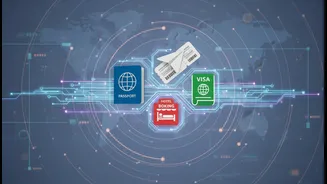
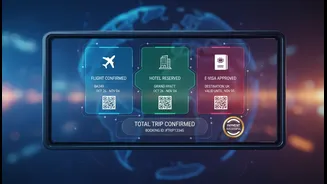
So, what exactly is the Package Visa? It is an integrated system that combines the tourist visa application with the booking of flights and accommodation into a single transaction. Instead of applying for a visa separately, eligible travelers from a pilot group of countries—including India, Pakistan, Egypt, and Indonesia—can book a complete package through an accredited travel provider. The package must include a return flight and a stay at a licensed hotel. Once the package is purchased, the electronic visa is processed and delivered via email, often within 48 hours, eliminating the need to visit an embassy. This initiative is a collaborative effort between the Saudi ministries of Tourism, Foreign Affairs, and Interior.
The 'One-Click' Dream
The optimistic view is that this model represents the future of travel: a 'one-click' experience where booking a holiday and securing the right to travel happen simultaneously. For the traveler, it promises a significant reduction in paperwork and anxiety. For the travel industry, it creates an opportunity to sell more comprehensive packages and add value. Saudi Tourism Minister Ahmed Al Khateeb stated the goal is to create a "more connected travel experience" by simplifying the visitor journey. Proponents believe this seamless integration will encourage longer stays and higher spending, directly boosting the tourism economy.
A Dose of Reality
However, the 'one-click' vision faces significant real-world hurdles. The entire system's success hinges on flawless technical integration between government databases and dozens of private travel platforms—a notorious challenge in the tech world. Issues of data synchronization, security of sensitive personal information, and system scalability are paramount. A single glitch could lead to booking failures or visa errors, damaging traveler confidence. Furthermore, the current model has limitations. The pilot is only available in a handful of countries and through a few approved agencies. The requirement to book a complete package, with minimum prices starting around 4,000 Saudi riyals, may exclude budget travelers who prefer to book their arrangements independently. Canceling a trip also automatically revokes the visa, adding a layer of inflexibility.
A Blueprint for Global Travel?
Despite the challenges, Saudi Arabia's experiment is being watched closely. It's not the first country to simplify visas—e-visas and visa-on-arrival are common—but it is one of the first to deeply integrate the visa process into the commercial travel booking ecosystem. If the pilot proves successful and scalable, it could serve as a blueprint for other nations looking to boost their tourism sectors. By shifting the administrative burden from the traveler to a regulated network of travel providers, the model could fundamentally change how we approach international travel planning. It transforms the visa from a barrier into a feature, seamlessly woven into the fabric of a holiday package.