

The New Generation of Butters
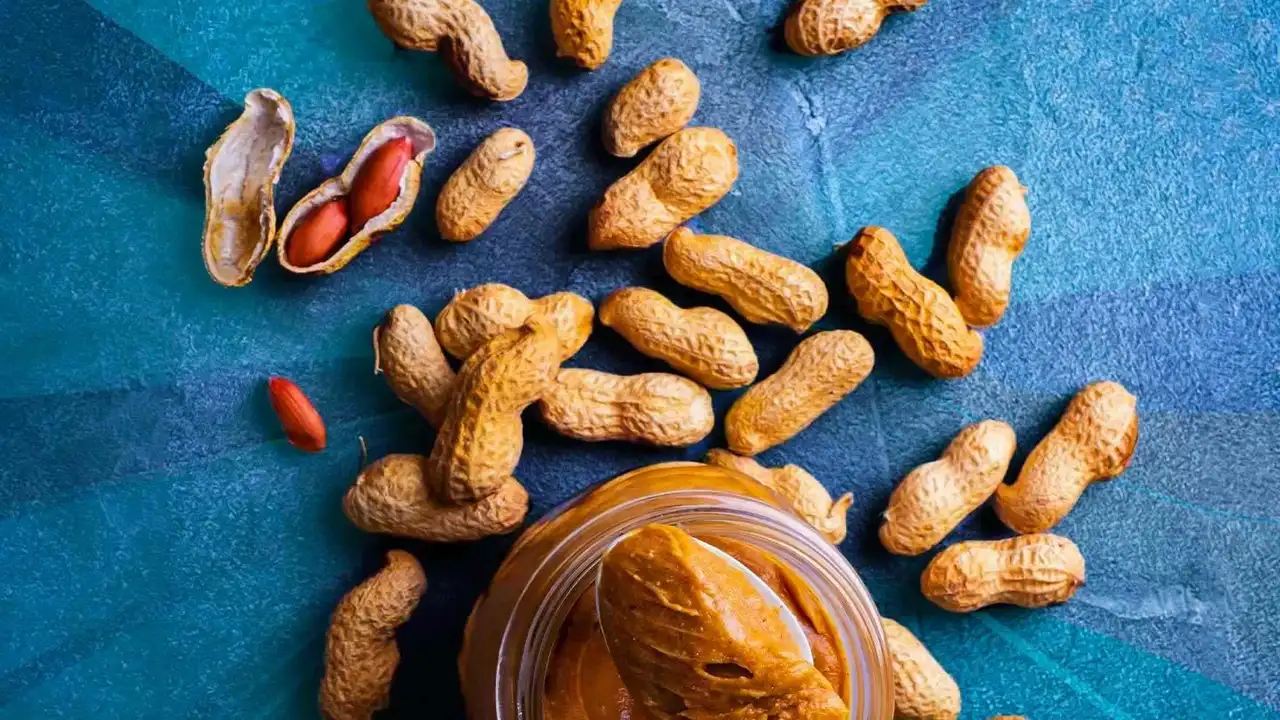
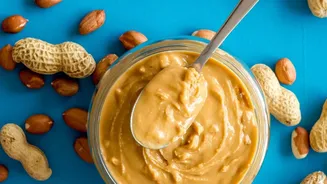
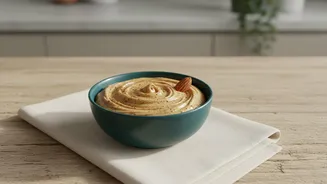
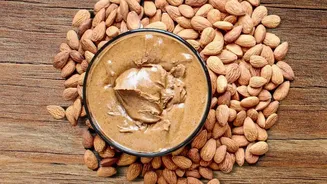
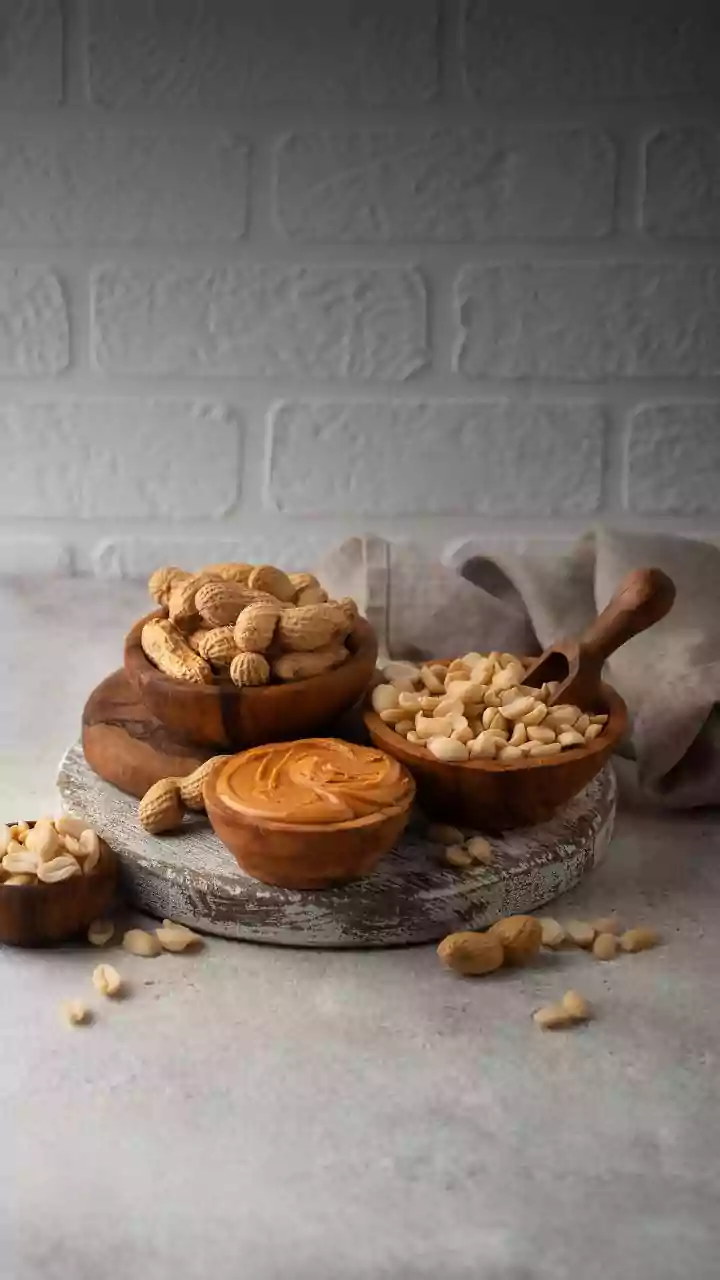
For years, the world of creamy spreads was dominated by peanut butter. While a beloved classic, a new and exciting range of butters made from various nuts and seeds is now gaining popularity. Think beyond the peanut to butters made from almonds, walnuts,
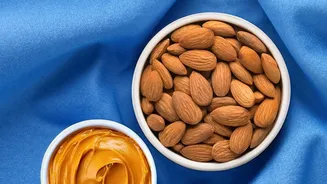
cashews, and even seeds like sunflower, pumpkin, and chia. These butters offer a wider array of flavours, textures, and, most importantly, nutritional profiles. Each one brings something unique to the table, from the high protein in peanut butter to the rich magnesium content in sunflower seed butter. This variety allows you to tailor your choice to your specific health goals and taste preferences, opening up a world of culinary and nutritional possibilities far beyond a simple slice of toast.
Understanding the Omega Advantage
One of the most significant health benefits of these butters is their fatty acid content, particularly omega-3 and omega-6 fatty acids. These are 'essential' fats, meaning our bodies can't produce them, so we must get them from our diet. Omega-3s, particularly Alpha-linolenic acid (ALA) found in plants, are celebrated for their anti-inflammatory properties. Walnuts, flaxseeds, and chia seeds are excellent sources. Omega-6 fatty acids, found in nuts like almonds and peanuts, are also essential for body functions like supporting cell structure. The key is balance. Modern diets often contain a much higher ratio of omega-6 to omega-3, which can promote inflammation. By incorporating butters from walnuts or by adding flax and chia seeds, you can help improve this crucial balance.
A Touch of Authentic Indian Flavour
Here is where this global health trend gets a distinctly Indian twist. The mild, earthy flavours of nut and seed butters provide a perfect canvas for the bold and complex spice blends central to Indian cuisine. Imagine a creamy almond butter infused with the warmth of garam masala, or a sunflower seed butter given a zesty kick with chaat masala. Spices like cinnamon, cardamom, ginger, and turmeric not only add incredible flavour but also bring their own health benefits. You can experiment with regional specialties, such as a fiery Chettinad masala blend in a peanut butter for a savoury kick, or a sweet and fragrant chai spice mix in a cashew butter for a comforting treat. This fusion creates a product that is both nutritionally dense and deeply flavourful, connecting modern wellness with traditional tastes.
Making Your Own Spiced Butter
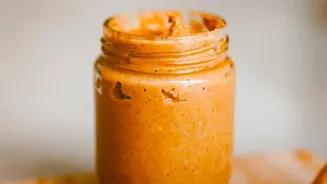
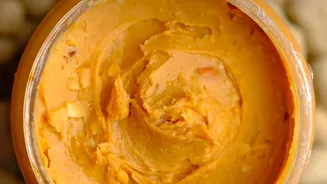
Creating your own spiced nut and seed butter at home is surprisingly simple and incredibly rewarding. It allows you to control the quality of ingredients, avoiding the added sugars, unhealthy oils, and preservatives often found in commercial brands. All you need is a powerful food processor or blender. Start by lightly roasting your chosen nuts and seeds to deepen their flavour. Then, blend them until they break down and release their natural oils, transforming from a crumbly powder into a smooth, creamy butter. This may take a few minutes. Once you have a smooth consistency, it’s time to get creative. Stir in your favourite Indian spice mix, a pinch of salt, and perhaps a touch of jaggery or honey for sweetness. Store your creation in an airtight jar in the refrigerator, and you'll have a healthy, homemade spread ready to enjoy.
Ways to Enjoy Your Creation
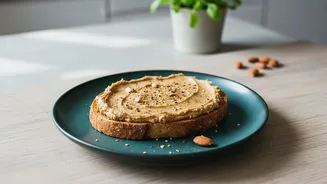
The versatility of spiced nut and seed butters is one of their greatest strengths. Move beyond just spreading it on toast or rotis. A savoury, masala-spiced peanut butter can be thinned with a little water and lemon juice to create a delicious dressing for a kachumber salad or a dip for vegetable sticks. A chai-spiced almond butter can be swirled into your morning porridge or dahi for an instant flavour and protein boost. Blend it into smoothies for added creaminess and nutrition, or even use it as a base to enrich gravies and curries, adding a nutty depth and healthy fats to your favourite dishes. By experimenting, you’ll find that these butters can be a go-to ingredient that enhances meals throughout the day.