






Why Wayanad's Waterfalls?
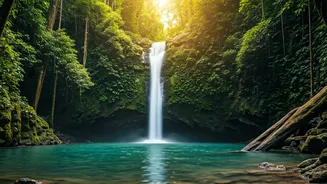
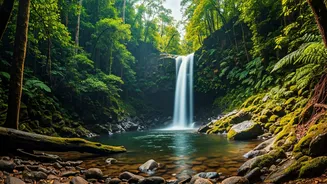
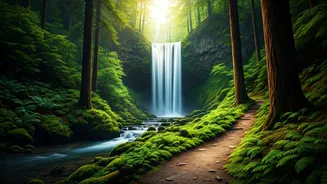
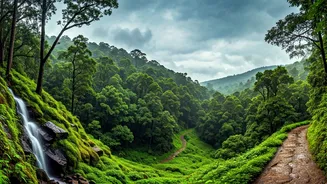
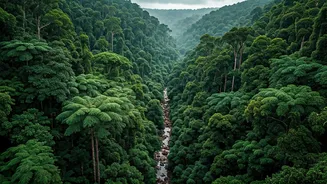
Wayanad, a jewel in Kerala’s crown, is famed for its sprawling tea plantations, spice-scented air, and mist-clad hills. But beyond the accessible viewpoints lies its true treasure: a collection of magnificent waterfalls tucked away in dense shola forests.
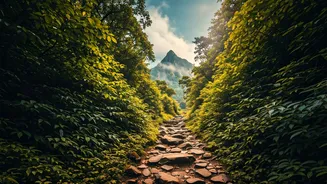
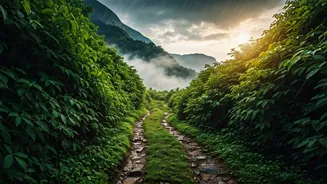
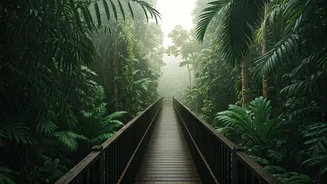
Reaching them is not a simple drive-up affair. It requires a trek, sometimes easy, sometimes challenging, through landscapes that feel untouched by time. This is what makes the experience ‘offbeat’. It’s not just about the destination but the journey—navigating rocky paths, crossing shallow streams, and listening to the symphony of the jungle before the roar of the waterfall announces your arrival. This is adventure travel at its most immersive.
Soochipara Falls: The Needle Rock Trek
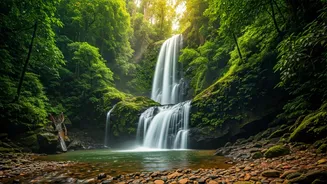
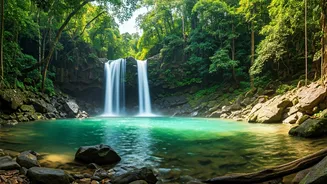
Often called the 'Sentinel Rock Waterfalls', Soochipara is one of Wayanad's more popular yet undeniably thrilling experiences. The name translates to 'Needle Rock', a nod to the sharp granite formations nearby. The journey begins with a scenic drive through verdant tea estates. From the entry point, a moderately steep 2-kilometre trek downwards takes you through thick forest cover. The path is well-laid with steps in most parts, but it can be slippery during the monsoon season. The reward is a spectacular three-tiered waterfall cascading from a height of about 200 metres into a large, inviting pool. The sheer force of the water and the cool mist that envelops you is a powerful reminder of nature’s grandeur. It's an ideal trek for those who want a taste of adventure without extreme difficulty.
Meenmutty Falls: The Adventurer's Prize
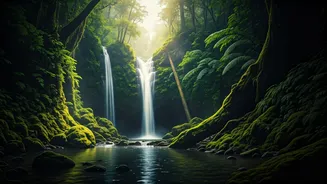
For those seeking a genuine challenge, Meenmutty Falls is the ultimate prize. Considered one of the most spectacular waterfalls in Kerala, it's also one of the most demanding to reach. The name 'Meenmutty' means 'where fish are blocked', hinting at the powerful, uninterrupted flow of water. Accessing the main falls involves a strenuous 3-kilometre trek through humid, dense forest. Unlike Soochipara, the trail here is rugged and untamed. You will be climbing over rocks, navigating slippery paths, and crossing streams. Hiring a local guide is non-negotiable and mandated by the Forest Department. The trek unveils the waterfall in three distinct stages. While the first two are beautiful, reaching the top-most tier is a true accomplishment, offering a breathtaking, panoramic view that few get to witness.
Kanthanpara & Kadachikunnu: The Serene Escapes
If treacherous treks aren't on your agenda, Wayanad still offers quieter, more serene waterfall experiences. Kanthanpara Falls is a smaller, more accessible cascade located near Meppadi. It’s relatively easy to reach and perfect for families or those looking for a peaceful picnic spot away from the crowds. The water flows down a gentle rock face into a shallow pool, making it a safe and pleasant place to relax. A little further off the beaten path is Kadachikunnu, a local secret. It’s not a towering giant but a multi-level cascade that appears magical post-monsoon. Reaching it involves a short walk through private plantations, and it’s this seclusion that makes it so special. It’s the perfect spot to sit, listen to the water, and feel completely disconnected from the world.
Essential Tips for Your Trek
To make the most of your waterfall adventure, preparation is key. **Best Time to Visit:** The ideal season is from September to February, right after the monsoons when the waterfalls are at their fullest and the landscape is lush green. **What to Wear:** Opt for comfortable, quick-drying clothes. Most importantly, wear sturdy trekking shoes with excellent grip. The forest floor is often damp and teeming with leeches, especially after rain, so leech-proof socks are a wise investment. **Hire a Guide:** For trails like Meenmutty, a guide is mandatory. For others, a local guide is highly recommended. They not only ensure your safety but also enrich the experience with their knowledge of local flora and fauna. **Respect Nature:** These are fragile ecosystems. Carry all your litter back with you, do not use soap or shampoo in the streams, and stick to the designated trails to avoid disturbing the wildlife.