






The Peril of the Popular Hills
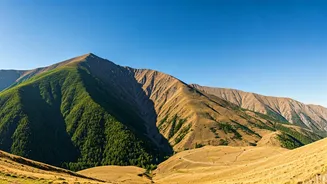
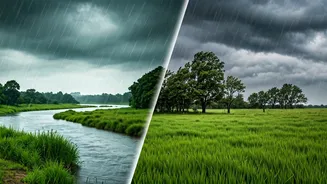
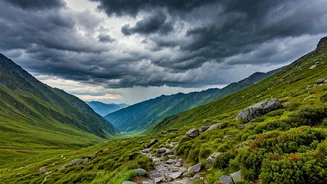
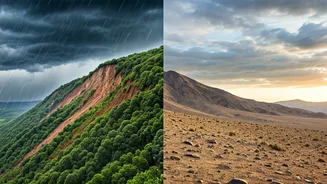
Every year, as the monsoon sweeps across India, beloved hill stations like Shimla, Manali, Mussoorie, and Darjeeling are transformed into vibrant green paradises. The allure is undeniable, but so are the risks. Heavy rainfall saturates the soil on steep,
often deforested slopes, leading to a dramatic increase in landslides that can block roads for days, leaving tourists stranded. In recent years, incidents of flash floods washing away roads and bridges have become alarmingly frequent in states like Himachal Pradesh and Uttarakhand. Authorities often issue travel advisories, and many trekking routes and adventure activities are suspended for safety reasons. The very infrastructure of these towns, strained by construction on fragile hillsides, becomes vulnerable, turning a dream getaway into a potential logistical nightmare. The risk isn't just about inconvenience; it's about life and safety.
The Science of a Safer Sanctuary
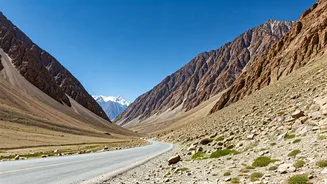
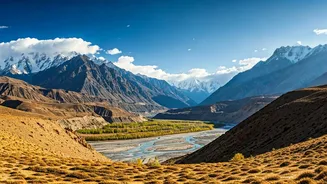
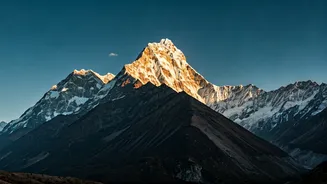
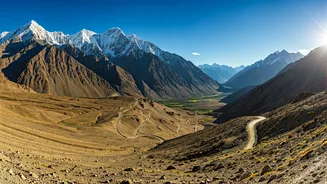
So, where can one find a Himalayan escape during the monsoon without the associated dangers? The answer lies in a fascinating geographical phenomenon known as the 'rain shadow'. As moisture-laden monsoon clouds travel northward, they are blocked by the massive Pir Panjal and Great Himalayan ranges. Forced to ascend, the clouds cool and release almost all their rain on the southern slopes. By the time the air currents cross these high peaks, they are virtually devoid of moisture. This process creates vast, arid landscapes on the leeward side of the mountains. These regions, known as trans-Himalayan cold deserts, receive minimal rainfall even during the peak of the monsoon season, offering a dry, sunny, and stable alternative for travellers.
Discovering the Dry Side: Ladakh and Spiti
The two most prominent rain shadow regions in the Indian Himalayas are Ladakh and Spiti Valley. While the rest of the country is drenched, these high-altitude deserts are in their prime tourist season.
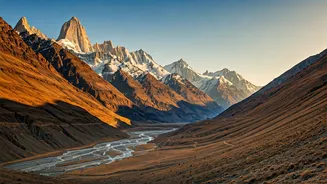
Ladakh, often called 'Little Tibet', becomes a traveller's paradise from June to September. The weather is pleasant, with warm, sunny days perfect for exploring its dramatic moonscapes, high mountain passes, and ancient monasteries. Destinations like Leh, Nubra Valley, and Pangong Tso Lake are fully accessible, and the dry conditions make road travel on the famous Manali-Leh and Srinagar-Leh highways possible.
Spiti Valley in Himachal Pradesh is a more remote and rugged cousin to Ladakh. While the journey there can be challenging, the valley itself remains remarkably dry. Kaza, the main town, along with iconic monasteries like Key and Tabo, and picturesque villages like Komic and Langza, offer a glimpse into a unique, preserved culture against a backdrop of stark, stunning beauty. During these months, these valleys are often dotted with wildflowers, a rare splash of colour in the desert landscape.
Planning Your Trans-Himalayan Escape
Trading the green, wet hills for the brown, dry ones requires a different kind of preparation. The biggest challenge in Ladakh and Spiti is the high altitude. Acclimatisation is crucial to avoid Acute Mountain Sickness (AMS). Plan to spend at least two to three days at your entry point, like Leh or Kaza, before ascending further. While the regions are dry, the approach roads, particularly the Shimla-Spiti route or the Manali highway, can still be affected by monsoon rains in their initial stretches. It's wise to keep buffer days in your itinerary for potential roadblocks. The sun at high altitudes is incredibly harsh, so sunscreen, sunglasses, and hats are non-negotiable. Finally, pack in layers. Days can be surprisingly warm, but temperatures drop sharply as soon as the sun sets. Booking flights and accommodation in advance is recommended, as this is peak season for these destinations.