




More Than a Mini-Vacation
Forget packed tourist itineraries and frantic sightseeing. The weekend retreat is a deliberate departure from the typical holiday. It’s an intentional pause from the relentless pace of modern life, specifically designed to help attendees disconnect and reset.
Instead of seeking more stimulation, the goal is recovery. A recent report highlighted that many young Indians now prefer multiple short getaways over one long annual vacation, creating the perfect opening for these focused, restorative breaks. These retreats are not about escaping life, but about finding a quieter, more intentional way to live within it, even if just for a few days. The focus is less on doing and more on being, offering a structured environment for calm, reflection, and disconnection from daily pressures.
The Rise of Digital Burnout
One of the biggest drivers of this trend is the well-documented rise of digital burnout and screen fatigue. For Gen Z and millennials, the pressure to be constantly available, productive, and socially present starts long before they enter the workforce. This has led to an epidemic of exhaustion, where the traditional idea of a high-energy holiday feels more draining than appealing. Weekend retreats, particularly those that enforce a 'digital detox', offer a rare opportunity to unplug without guilt. By removing the constant stimulation of screens and notifications, attendees can allow their over-stimulated nervous systems to regulate, leading to improved mental clarity, better sleep, and reduced anxiety.
The Pull of the Outdoors
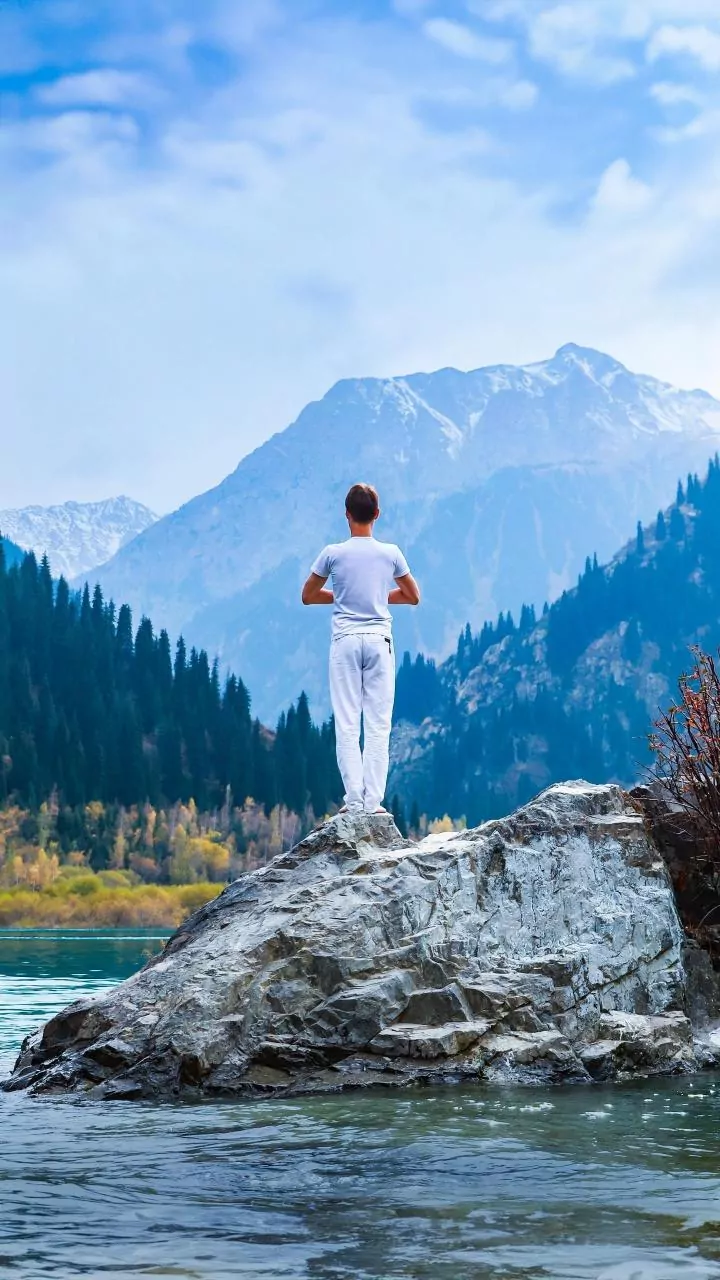
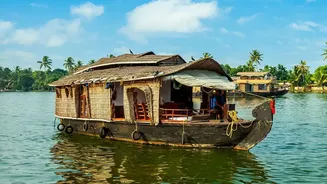
The 'naturally' in recharging is no accident. Many of these retreats are situated in serene natural landscapes, from Himalayan foothills to the tranquil backwaters of Kerala. Scientific research consistently shows that exposure to natural environments can reduce stress, lower blood pressure, and improve overall mood. Concepts like 'forest bathing' and 'ecotherapy' are built on the principle that humans have a deep, evolutionary connection to nature that our modern, urban lives often sever. Spending time outdoors activates all our senses, promoting a state of mindfulness and presence that can be difficult to achieve in a city. A simple walk in the woods or the sight of a starry sky helps ground individuals and provides a powerful antidote to mental fatigue.
What to Expect at a Retreat
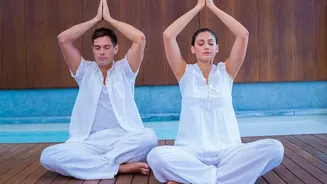
While each retreat is unique, most blend a variety of holistic practices. Common activities include yoga and meditation sessions, guided nature walks, mindfulness workshops, and communal, nourishing meals. Many in India are deeply rooted in ancient traditions like Ayurveda, offering personalized programs that can include everything from detox therapies to herbal treatments. The structure is designed to be gentle yet immersive. Some retreats focus on silence to deepen introspection, while others emphasize building social connections in a calm, intentional setting. The entire experience, from the food to the schedule, is curated to support mental, physical, and emotional well-being, providing tools and practices that can be integrated back into daily life.
An Indian Wellness Renaissance
India is at the forefront of this global wellness movement, leveraging its 5,000-year-old healing traditions to meet modern needs. Destinations like Rishikesh, known as the world's yoga capital, and Kerala, famous for its Ayurvedic centres, are global hubs for wellness travel. But the trend is also becoming hyper-local, with numerous retreats popping up near major metro cities like Mumbai, Bengaluru, and Delhi, offering accessible weekend escapes for busy urban professionals. These centres offer everything from silent meditation and digital detoxes to laughter yoga and artistic expression, making holistic wellness more accessible than ever. This isn't just about attracting international tourists; urban Indians are increasingly turning to these practices to find balance in their fast-paced lives.