







From Solitary Snack to Social Strategy
For years, the midday meal was often a rushed, solitary affair eaten hunched over a keyboard. The pandemic briefly changed that, allowing people to reconnect with their own kitchens and a more mindful approach to eating. [18] Now, as teams return to physical
workspaces, both employers and employees are reluctant to go back to the old ways. There's a growing recognition that a proper lunch break is vital for performance and well-being. [2] Research shows that 94% of employees feel a break improves their performance, yet more than half admit to skipping it due to heavy workloads. [2] Companies are now viewing food not just as a perk, but as a powerful tool to foster connections, boost morale, and create a more people-centric culture. [3, 7] It's a key part of the strategy to make the office a desirable destination for collaboration and innovation. [7, 17]
More Than Just a Free Meal
Why are companies suddenly so interested in what their employees eat for lunch? The answer lies in culture and collaboration. Providing meals encourages staff to eat together, which can double collaborative behaviour compared to teams who don't. [10] These shared moments in a relaxed setting help break down departmental silos, strengthen relationships, and spark the kind of informal conversations where creative ideas are often born. [3, 8] In the current competitive job market, a quality food program is also a major draw for attracting and retaining top talent. [21] With 90% of decision-makers now highlighting food perks during hiring, it's become a tangible way for a company to show it appreciates and invests in its people. [17] The return on investment is clear, with leaders citing boosted morale and productivity as top reasons for offering workplace catering. [17]
The New Lunch Logistics
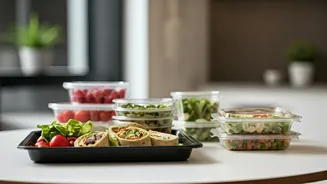
The execution of these new lunch programmes is varied and moving beyond the traditional, one-size-fits-all cafeteria. [2] Companies are adopting more flexible models to cater to diverse tastes and dietary needs. [13] Popular approaches include rotating menus from different local restaurants, which over 80% of employees find more exciting than standard cafeteria fare. [2] Some businesses bring in restaurant pop-ups or food trucks to create unique culinary experiences. [2, 8] Others are using technology, like apps that allow employees to choose from a variety of subsidised meal options for delivery. [13] This focus on variety and quality ensures that everyone feels included, accommodating dietary restrictions from vegan to gluten-free, and celebrating cultural diversity through food. [3, 4, 13]
The Bottom-Line Benefits
The advantages extend beyond a happy, well-fed workforce. For employees, a company-provided lunch saves both time and money. [21] It removes the daily stress of meal prepping and the cost of buying lunch, which can be significant. [21] For employers, the productivity gains are substantial. When employees stay in the office for lunch, it saves transit and wait times, leading to a significant return on investment. [10] Furthermore, encouraging proper breaks away from the desk reduces stress and enhances focus for the rest of the afternoon. [14] By providing nutritious options, companies also support employee health and wellness, which can lead to reduced absenteeism and lower healthcare costs in the long run. [6, 20]
Not Without Its Challenges
Despite the clear benefits, implementing a successful office lunch program requires careful thought. A major challenge is catering to the wide array of dietary needs and preferences to ensure the program is truly inclusive. [13] There's also a risk that what's intended as a benefit can feel like an obligation, creating social pressure to participate. Some critics argue that free food can be a tactic to keep employees in the office for longer hours, blurring the lines between work and personal time. [23] Therefore, the most successful programs are those that offer flexibility, variety, and a genuine commitment to employee well-being, rather than simply using food as a means to an end.