




Why Eat Seasonally in India?
Following a seasonal food calendar is one of the most effective ways to improve your diet and support the local economy. When produce is in season, it is harvested at its peak ripeness, making it more nutrient-dense and flavourful. Foods that have to travel
long distances or are grown in artificial conditions simply can't compare in taste or nutritional value. Eating seasonally also means fruits and vegetables are more abundant, which drives down prices at your local market, making it a cost-effective choice for your family. Furthermore, it’s better for the environment as it reduces the carbon footprint associated with long-distance transportation and cold storage. Aligning your diet with the natural harvest cycle introduces variety, which is excellent for gut health.
Decoding India's Harvest Cycle
India's climate gives us three main agricultural seasons, though timings can vary by region. The Summer or Zaid season (March to June) brings cooling, water-rich produce to combat the heat. The Monsoon or Kharif season (July to October) offers a bounty of gourds and leafy greens that thrive in the humid conditions. Finally, the Winter or Rabi season (November to February) is when you'll find an abundance of root vegetables, cruciferous veggies like cauliflower, and leafy greens such as spinach and mustard greens. While some staples like bananas and papayas are available year-round, understanding this basic cycle is the first step to planning your meals.
Your Monsoon Produce Guide
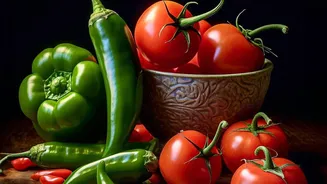
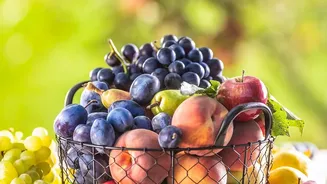
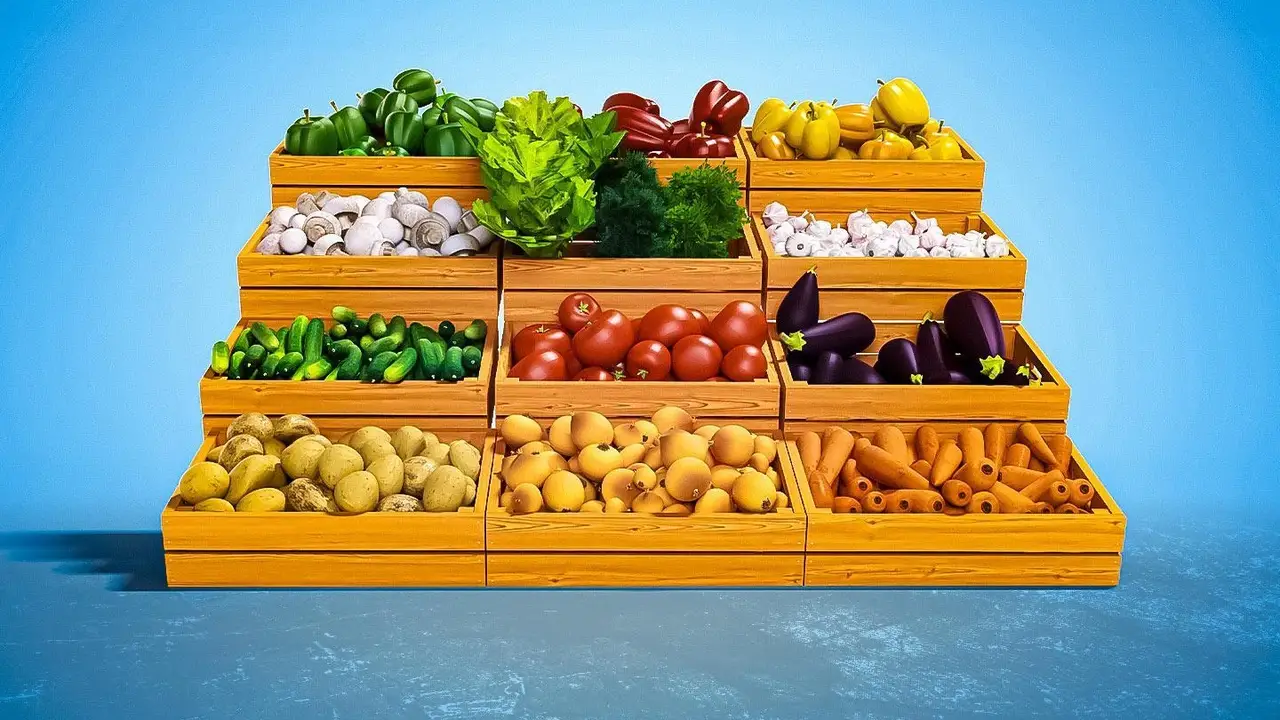
As the rains arrive, so does a fresh wave of produce perfect for hearty and comforting meals. This is the time to embrace gourds and a variety of greens. Look for bottle gourd (lauki), ridge gourd (tori), bitter gourd (karela), and pointed gourd (parwal) in your local market. Vegetables like okra (bhindi), cucumber, and tomatoes are also widely available. In terms of fruits, the monsoon brings delights like jamun, plums, peaches, and cherries. Litchis and pomegranates also have a strong presence during this season. These fruits and vegetables are not only fresh but are also traditionally considered beneficial for digestion and immunity during the damp weather.
From Market to Tiffin: Monsoon Meal Ideas
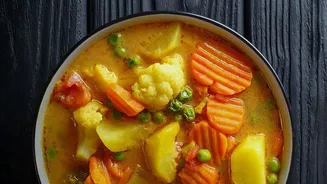
Transforming this monsoon bounty into delicious packed meals and snacks is simple. For a wholesome tiffin, a sabzi made from lauki or bhindi paired with rotis is a classic choice. A vegetable pulao packed with monsoon veggies is a quick and satisfying one-pot meal. For snacks, corn on the cob (bhutta) is a seasonal favourite. You can also make crispy pakodas with spinach or sliced gourds for an evening treat. A refreshing salad of cucumber and tomato can accompany any meal. For a nutritious and easy-to-pack lunch, consider making moong dal cheela or vegetable upma, incorporating finely chopped seasonal vegetables.
A Peek at Winter and Summer
Looking ahead, winter brings its own set of culinary stars. This is the peak season for leafy greens like spinach (palak), fenugreek (methi), and mustard greens (sarson), forming the base for dishes like sarson da saag. Root vegetables like carrots, beets, and radishes are at their sweetest. Winter is also the season for citrus fruits like oranges and sweet limes, perfect for boosting immunity. Summer, on the other hand, is defined by its glorious fruits. Mangoes, the undisputed king, arrive in hundreds of varieties. Watermelons and muskmelons provide much-needed hydration, while vegetables like cucumber and pumpkin help keep the body cool.