


The Resilient Snake Plant
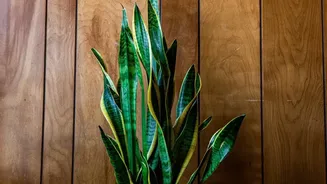
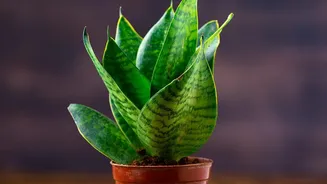
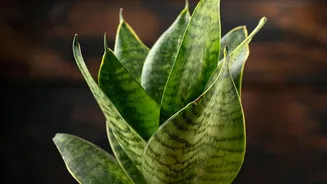
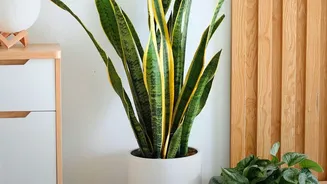
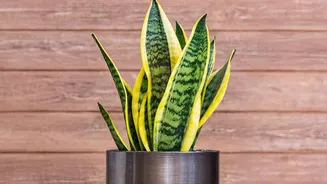
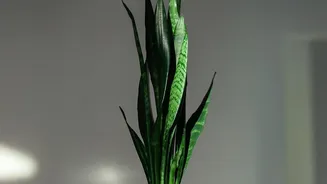
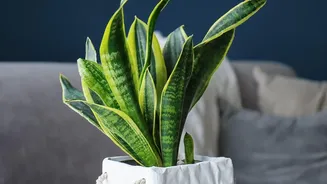
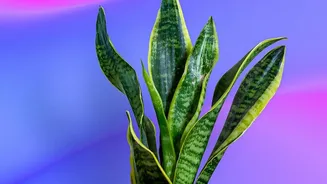
The snake plant, or Sansevieria trifasciata, is famous for its striking, sword-like leaves and incredible resilience. It's often called 'unkillable' for a reason. This plant is a succulent, meaning it stores water in its leaves and can tolerate long periods
of neglect. It's the perfect companion for frequent travellers or those who sometimes forget to water their plants. They thrive in a wide range of lighting conditions, from low, indirect light to brighter spots, though too much direct sun can scorch their leaves. For soil, a well-draining mix, like one for cacti, is ideal to prevent root rot. When it comes to watering, the golden rule is to let the soil dry out completely between sessions—typically once every two to three weeks, and even less in winter.
The Versatile Pothos
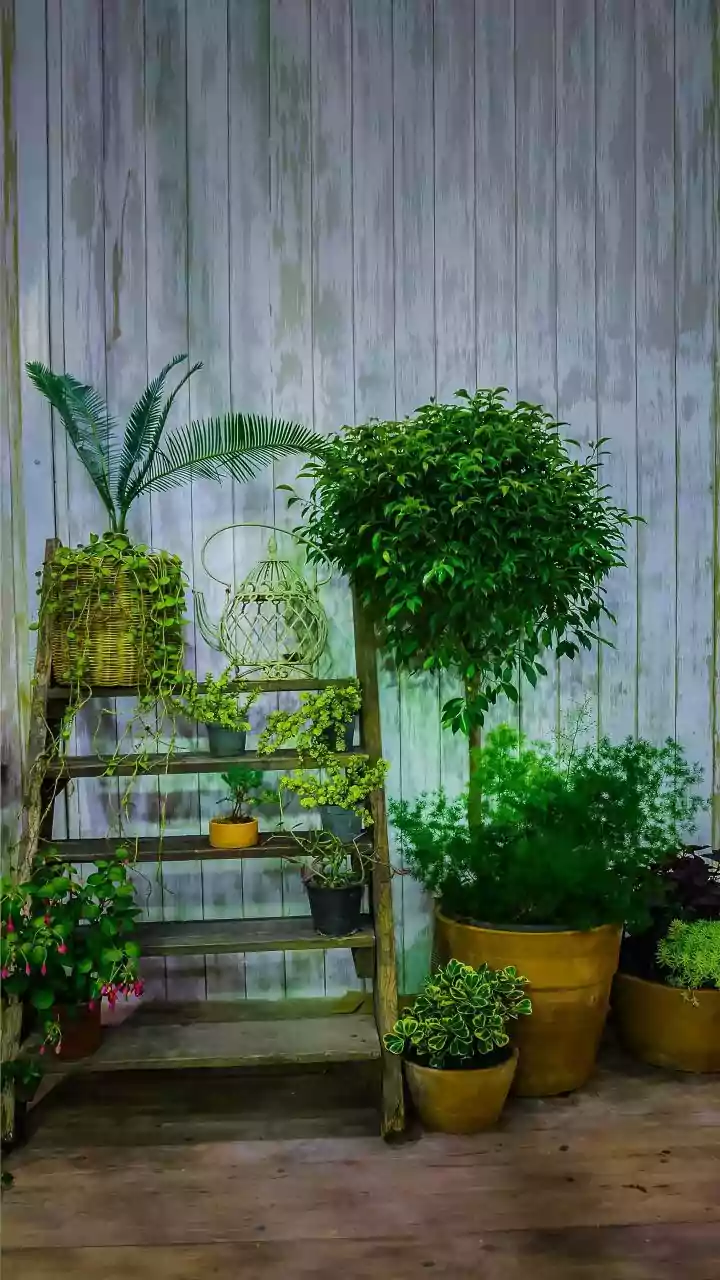
Pothos, also known as devil's ivy, is another fan favourite for its forgiving nature and attractive, heart-shaped leaves that come in various shades of green and gold. Its trailing vines can be left to cascade beautifully from a shelf or trimmed for a fuller, bushier look on your desk. Like the snake plant, pothos is quite adaptable. It prefers bright, indirect light but can handle lower light levels, though its variegation might fade. Any standard, well-draining potting soil will do the trick. The key to a happy pothos is to water it thoroughly only when the top inch or two of soil feels dry. If you see its leaves starting to droop slightly, it’s a clear sign it's thirsty. Because it enjoys humidity, an occasional misting can also keep it looking its best.
The Truth About Air Purification
The headline claim that these plants are 'air-purifying' is a popular one, largely stemming from a 1989 NASA study. The study found that certain houseplants, including snake plants and pothos, could remove volatile organic compounds (VOCs) like formaldehyde and benzene from the air in a sealed chamber. However, it's important to have realistic expectations. In a typical home or office with regular air circulation, the effect is quite modest. Researchers have calculated that you would need a huge number of plants—between 10 and 1,000 per square metre—to match the air-cleaning power of a building's ventilation system. While they do contribute to cleaner air on a small scale, their biggest impact is arguably on our well-being, reducing stress and adding a welcome connection to nature.
Styling for Small Desks
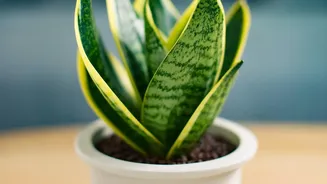
Bringing a plant to a small desk doesn't mean sacrificing your workspace. The key is choosing the right size and placement. Opt for smaller pots that complement your office decor. A compact snake plant variety can provide a strong vertical accent without a wide footprint. A small pothos can sit neatly on the corner of your desk, or you can place it on a nearby shelf to let its vines trail down without getting in the way. To avoid a cluttered look, stick to one or two small plants. Choose a planter that has proper drainage but also fits your personal style, as this helps integrate the plant into your overall workspace aesthetic. By being mindful of size and placement, you can enjoy the greenery without the chaos.