



Look Beyond the Front of the Pack
The front of a snack package is prime real estate for marketing, filled with buzzwords designed to make you feel good about your purchase. Terms like “natural,” “made with real fruit,” or “whole grains” can be misleading. The term "natural," for instance,
is not strictly regulated, meaning it can be applied to products that still contain processed ingredients. Similarly, a snack “made with whole grains” might only contain a very small amount, with refined flour being the primary ingredient. Your first step is to ignore these claims and turn the package over. The real story is always in the Nutrition Facts label and the ingredients list.
The Serving Size Versus Portion Size Trap
The first thing to check on any nutrition label is the serving size. All the information that follows—calories, fat, sugar—is based on this specific amount, not the entire package. This is where many people get tripped up. The amount of food you choose to eat is your portion size, which may be much larger than the manufacturer's suggested serving size. A small bag of chips might seem like a single portion, but the label could reveal it contains two or three servings. That means you need to multiply all the nutrient values by two or three to understand what you are actually consuming.
Focus on Key Nutrients
When comparing snacks, focus on a few key nutrients. A good rule of thumb is to look for snacks that provide beneficial nutrients and are lower in others. Aim for snacks with at least 3 grams of fibre and 5-10 grams of protein to help you feel full and satisfied. Conversely, try to limit added sugars, sodium, and saturated fats. The Percent Daily Value (%DV) can be a helpful guide. A DV of 5% or less is considered low, while a DV of 20% or more is high. Use this to choose snacks that are low in sodium and high in things like fibre, vitamin D, and potassium.
Scan the Ingredients List
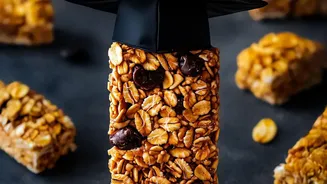
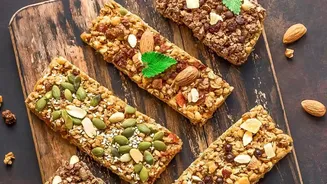
The ingredients list is arguably the most transparent part of the package. Ingredients are listed by weight, from the most prominent to the least. If sugar, in any of its forms (like high-fructose corn syrup, cane juice, or dextrose), is one of the first few ingredients, it’s a good sign the snack is more of a dessert. A shorter ingredients list is often better, suggesting the product is less processed. Look for whole foods you recognize, like oats, nuts, seeds, or fruit, at the top of the list. Avoid products with long lists of chemical-sounding names, artificial flavours, or preservatives.
Comparing Different Snacks
To truly compare two different snacks, you need a common baseline. Since serving sizes can vary wildly, using a standard measure like 100 grams can provide an apples-to-apples comparison. Many nutrition labels now include a per 100g column, but if they don't, you can do some quick math. This method helps you see which snack is genuinely lower in sugar or higher in protein, regardless of a company's chosen serving size. This is particularly useful for items like granola or crackers, where serving sizes can be manipulated to make a product appear healthier than a competitor's.
Practice Portion Control at Home
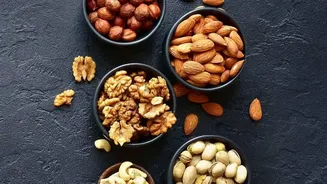
Even the healthiest snack can become less so in large quantities. Nuts are a perfect example; they are nutrient-dense, but also high in calories, and it's easy to eat more than one serving. To manage your portions, avoid eating directly from the bag or box. Instead, check the serving size on the label and measure it out into a small bowl. Using visual cues can also help. For example, a single serving of nuts or seeds is often about the size of a golf ball or a small handful. Getting accustomed to what a true serving looks like makes it easier to enjoy your snacks mindfully.