


A New Travel Mindset Emerges
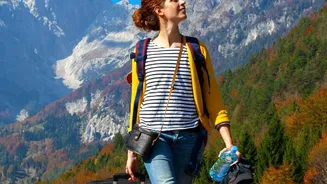
For years, Indian holiday plans were predictable: a rush to the hills in May and June, followed by a flurry of international trips in December. That rigid schedule is beginning to dissolve. Today’s Indian traveller is more discerning, flexible, and experience-driven.
They are actively seeking better value, fewer crowds, and more meaningful connections with their destinations. This has given rise to the popularity of the “shoulder season”—the period just before or after a destination's peak tourist rush. According to recent travel reports, a significant number of Indian travellers now deliberately book trips during these off-peak months to avoid crowds and enjoy a more relaxed experience. This isn't just about saving money; it's about discovering a place at its own pace.
Europe's Autumnal Charm
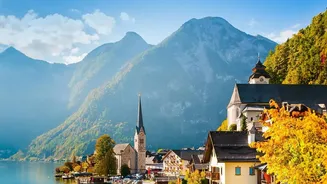
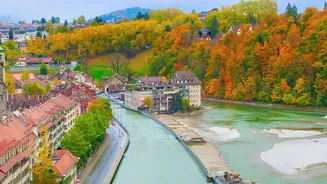
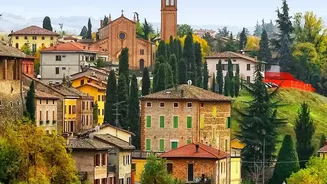
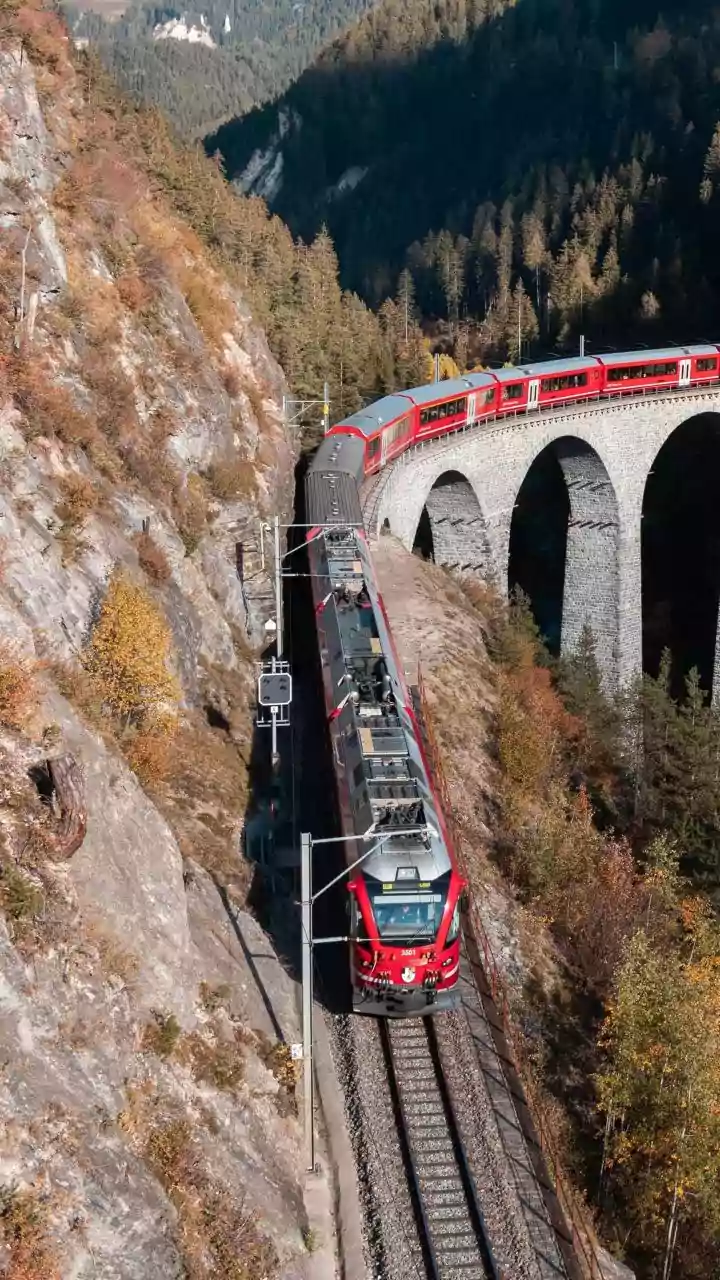
The dream of a European summer is being replaced by the allure of its golden autumn. From September to November, destinations across the continent transform, offering crisp air, vibrant foliage, and a more authentic, local feel. For Indian travellers, this means swapping the festive rush back home for the fairytale landscapes of Bavaria in Germany, the romantic streets of Paris, or the tranquil lakes of Switzerland, all adorned in fiery autumn colours. The benefits are practical, too. The autumn shoulder season typically brings lower prices for flights and hotels, shorter queues at major attractions like the Acropolis in Athens or La Sagrada Família in Barcelona, and a more comfortable climate for sightseeing. This trend is backed by data, with a notable surge in bookings from India to European hubs like Munich for autumn events like Oktoberfest.
Asia's Welcoming 'Green Season'
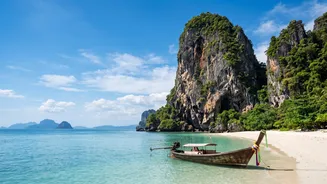
While Europe beckons with autumn hues, parts of Asia are becoming attractive for their unique seasonal weather, particularly the post-monsoon “green season.” In Southeast Asian countries like Thailand and Vietnam, the months from September to November mark a sweet spot. The heavy rains have often subsided into shorter afternoon showers, leaving behind lush, vibrant landscapes, and the tourist crowds of the peak winter season have yet to arrive. This translates into significant savings, with accommodation prices sometimes dropping by 30-40%. The appeal is also driven by convenience. Many Southeast Asian nations offer simplified visa policies for Indians, including visa-free entry or visa-on-arrival, making spontaneous or short trips more feasible. The rise of direct flights to cities like Hanoi and Ho Chi Minh City has further cemented Vietnam, in particular, as a fast-growing favourite for Indian tourists looking for value and cultural richness.
The Practical and Aspirational Drivers
This shift is propelled by more than just pretty scenery and pleasant weather. A key factor is the rising desire for “slow travel,” where the goal is immersion rather than a rushed checklist of sights. Travellers are choosing to spend more time in one or two locations to soak in the local culture. Furthermore, the increasing unpredictability of weather, with extreme heatwaves impacting many regions, is making the milder temperatures of shoulder seasons a safer bet. Cost remains a powerful motivator; for many, a flight from Delhi to Southeast Asia can be cheaper than a domestic flight to Kerala during peak season. Finally, social media plays a huge role in setting trends. The endless scroll of stunning autumn landscapes in Europe and the tranquil, green vistas of Asia provides powerful inspiration, shaping the bucket lists of a new generation of Indian explorers.