


Start With a General Zone, Not a Strict Map
The first step to a spontaneous food adventure is to resist the urge to create a minute-by-minute plan. Instead of mapping specific stalls, simply choose a broader area for the evening. Kolkata's pandal scene is often divided between the traditional,
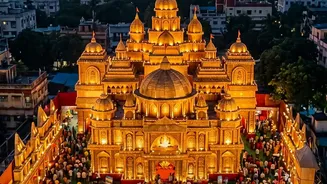
atmospheric lanes of the North (like Shyambazar and Hatibagan) and the grand, thematic spectacles of the South (around Gariahat and Ballygunge). Pick one zone per outing. This focuses your exploration and reduces travel time, leaving more room for unplanned culinary stops you discover along the way. Remember, the best food stall might be one that isn't on any list but has the longest queue of locals.
Let the Pandals Be Your Guide
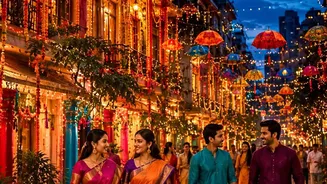
The most organic way to find Puja food is to simply walk the routes between pandals. Every major puja is surrounded by a constellation of temporary food stalls that spring up to feed the hungry crowds. As you join the river of people flowing from one pandal to the next, let your nose and the sounds of sizzling oil guide you. You'll find everything from local favourites to stalls by established city restaurants. This approach turns pandal-hopping into a dynamic food trail where the next delicious bite is always just around the corner.
Know the Essential On-the-Go Snacks
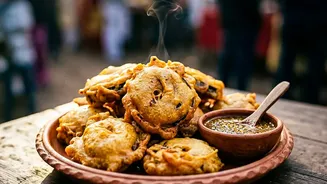
While spontaneity is key, knowing what to look for helps. Kolkata's street food is legendary, and during Puja, certain items are non-negotiable. Keep an eye out for Phuchka, the city's iconic take on pani puri, with a tangier, spicier water. Another must-have is the Kathi Roll, a flaky paratha wrapped around a filling of egg, chicken, or mutton, making it the perfect meal for a pandal-hopper on the move. For something fried and satisfying, look for various 'chops' (croquettes) and 'kabiraji' cutlets, which feature a crispy, lacy egg coating. Also popular are Ghugni, a hearty yellow pea curry, and Kolkata-style chowmein from roadside woks.
Embrace the 'Bhog' Experience
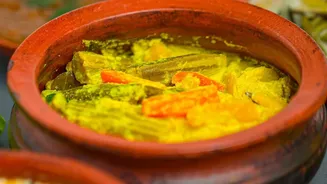
For a taste of tradition, don't miss the 'bhog'. This is the consecrated food offered to the goddess, which is then distributed to devotees, often for free. Typically served around midday on Saptami, Ashtami, and Navami, the classic bhog plate includes Khichuri (a flavourful rice and lentil mix), Labra (a mixed vegetable dish), Beguni (eggplant fritters), and a sweet chutney. While larger pandals might require coupons, many smaller neighbourhood pujas welcome visitors warmly. It's a deeply communal and authentic culinary experience that no restaurant can replicate.
Explore the Legendary Sit-Down Eateries
A spontaneous food tour doesn't have to be limited to the streets. Many of Kolkata's iconic heritage restaurants become part of the Puja pilgrimage. If you're in North Kolkata, century-old 'cabins' like Mitra Cafe are famous for snacks like Brain Chop and Diamond Fish Fry. In the Park Street area, places like Peter Cat with its famous Chelo Kebab, or Nizam's, credited with inventing the kathi roll, are essential stops. For a more traditional Bengali meal, restaurants such as 6 Ballygunge Place and Bhojohori Manna offer authentic dishes like Daab Chingri and Kosha Mangsho in a festive atmosphere. These can be great for a more substantial, seated break.
Pace Yourself and Stay Sweet
With endless options, the key is to snack, not feast, at every stop. Share plates with friends to sample more variety. The goal is to taste as much as possible without feeling uncomfortably full. And no Puja food journey is complete without sweets. Every neighbourhood has beloved sweet shops, or 'mishtir dokan', bursting with classics like Mishti Doi (sweet yogurt), Rosogolla, and various kinds of Sandesh. Instead of buying a box to carry around, end your night by popping into a local sweet shop for a fresh, delicious finale to your food adventure.