
A New Era for Lunar Exploration
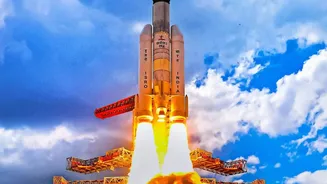
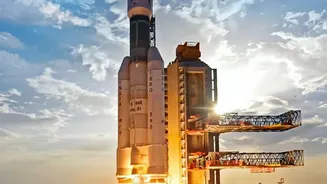
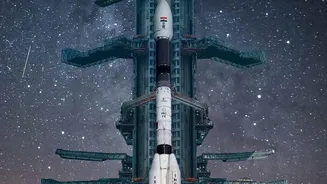
The Moon is once again the ultimate destination, but the nature of the race has fundamentally changed. Following the historic success of ISRO's Chandrayaan missions, which demonstrated India's capability to reach the lunar south pole, the focus is shifting
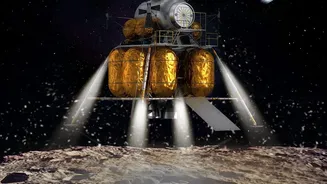
from national prestige to a sustainable, commercial marketplace. The global push, supported by initiatives like NASA's Commercial Lunar Payload Services (CLPS) program, has opened the door for private companies to offer delivery services to the lunar surface. This has created a fertile ground for a new breed of entrepreneurs who see the Moon not just as a scientific frontier, but as a business opportunity.
India's Frugal Engineering Advantage
India’s space program has long been defined by its ability to achieve remarkable feats on a lean budget, a philosophy often dubbed 'frugal engineering'. This mindset is the cornerstone of the country's emerging private space sector. Startups are building upon ISRO's legacy, leveraging proven technologies, focusing on lightweight designs, and using extensive computer simulations to reduce the need for expensive physical prototypes. The Indian government has further catalysed this growth through the establishment of IN-SPACe (Indian National Space Promotion and Authorization Centre), a body designed to facilitate private sector participation in space activities and help Indian firms compete for international contracts like those offered under NASA's CLPS program.
The Pioneers of India's Private Moonshot
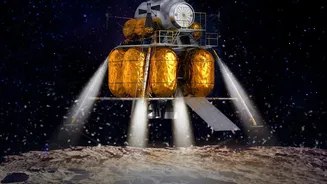
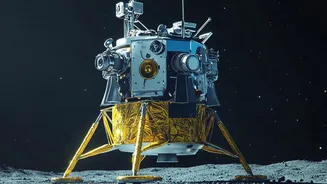
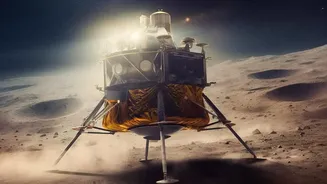
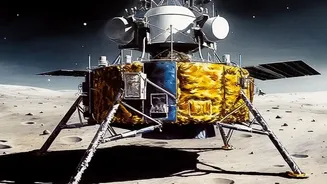
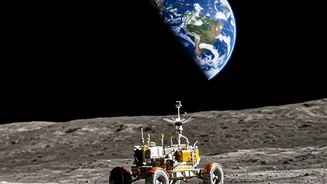
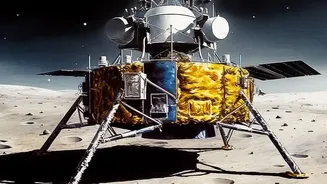
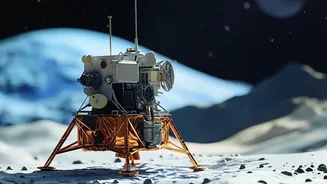
Among the early trailblazers was TeamIndus, a Bengaluru-based startup founded in 2010 to compete for the Google Lunar XPRIZE. Although the competition ended without a winner, TeamIndus proved that a private Indian entity could develop credible lunar lander and rover technology, attracting high-profile investors and laying the groundwork for the current ecosystem. Their rover, named ECA (Ek Choti Si Asha or 'A Small Hope'), and their lander development work showcased the potential for private Indian deep-tech ventures. While TeamIndus faced significant funding and timeline challenges, its journey inspired a new generation of startups. More recently, companies like ORBITBeyond, which has established a significant engineering and manufacturing centre in Odisha, are designing and building lunar landers and rovers in India for global missions, drawing on talent with experience from ISRO's own lunar programs.
What Makes These Rovers 'Low-Cost'?
The strategy for affordability is multi-pronged. First, these startups are not reinventing the wheel. They often adapt existing, flight-tested components and focus on smaller, lighter rovers. The Pragyan rover from the Chandrayaan missions, for instance, weighed only 27 kg. This reduction in mass directly translates to lower launch costs, which is the most expensive part of any space mission. Second is a focus on specific, commercial functions rather than broad scientific exploration. These rovers are designed as payload delivery systems. A university, research firm, or another country can pay to have its small instrument ferried across the lunar surface, creating a 'taxi service' model. Finally, innovative design and manufacturing, including the use of India's robust precision engineering and materials ecosystems, help streamline production and reduce overheads.
The Emerging Lunar Payload Economy
The primary business of these startups is not exploration for its own sake, but providing 'payload services'. A payload can be anything from a scientific instrument designed to analyse lunar soil, a technology demonstration for a future mining operation, or even an artistic project. These rovers are essentially robotic couriers on the Moon. By offering slots on their landers and mobility on their rovers at a fraction of the cost of a full government-led mission, Indian startups are aiming to democratise access to the lunar surface. This opens up opportunities for smaller countries, universities, and private research labs that were previously priced out of lunar exploration, creating a whole new commercial ecosystem built around Earth's nearest celestial neighbour.