



The Great Indian Protein Gap
Many of us believe we're getting enough protein from our daily dal-roti or rice and sambar. The reality, however, is starkly different. According to multiple surveys, a staggering 73% of urban Indians are deficient in protein. What's more alarming is that
over 90% of the population is unaware of their daily protein requirements. This isn't a problem limited to a specific region or income group; it's a nationwide nutritional gap. The average Indian consumes around 0.6 grams of protein per kilogram of body weight, which is significantly lower than the 0.8 to 1.0 gram per kg recommended by the Indian Council of Medical Research (ICMR) for a sedentary adult. This consistent shortfall has quiet but serious consequences for long-term health, leading to issues often blamed on a 'busy lifestyle,' such as fatigue, poor immunity, and hair fall.
More Than Just Muscle
The perception of protein as a 'muscle-builder' is only a tiny part of the story. Protein is a master nutrient, a fundamental building block for literally every cell in your body—from your skin and hair to your bones and organs. Its roles are incredibly diverse and essential for daily functioning. Proteins make up the enzymes that power chemical reactions and the hormones that regulate everything from your mood to your metabolism. They are also crucial for a strong immune system, forming the antibodies that fight off infections. Without adequate protein, your body can't effectively repair tissues, transport nutrients, or maintain stable energy levels throughout the day. So, while it certainly helps in repairing muscle tissue after exercise, its primary job is to keep your entire body's systems running smoothly.
How Much Do You Really Need?
Calculating your basic protein need is simpler than you think. The ICMR's recommendation for a healthy but non-active adult is 0.83 grams of protein per kilogram of body weight per day. To find your target, simply multiply your body weight in kilograms by 0.83. For example, a person weighing 65 kilograms would need approximately 54 grams of protein daily to prevent deficiency. This is the baseline for maintaining health, not for building athletic prowess. Needs increase for active individuals, pregnant and lactating women, and older adults, who require more protein to preserve muscle mass. The key takeaway is that everyone has a daily protein requirement, regardless of whether they visit a gym.
Finding Protein in a Vegetarian Thali
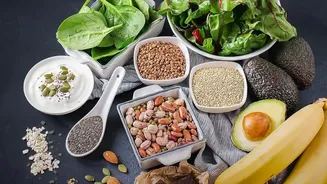
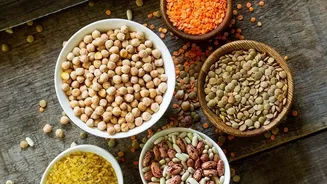
For a country with a large vegetarian population, finding protein can seem challenging, but Indian cuisine is rich with options. The issue is often portion size. While a typical thali contains protein, it is often dominated by cereals like rice and wheat. A single small bowl of dal might only provide 6-7 grams of protein. To bridge the gap, focus on increasing the quantity and variety of protein-rich vegetarian foods. Lentils (dal), chickpeas (chana), and kidney beans (rajma) are excellent staples. Paneer (Indian cottage cheese) offers around 18 grams of protein per 100g. Soya chunks are a powerhouse, providing about 35 grams per 100g raw. Don't forget dairy like curd (dahi) and milk, as well as nuts and seeds, which all contribute to the daily total.
Power-Packed Non-Vegetarian Options
For those who eat non-vegetarian food, meeting protein goals can be more straightforward. Eggs are one of the most affordable and high-quality sources of protein available. Chicken and fish are lean protein sources that can be incorporated into various Indian dishes, from curries to tandoori preparations. Even for non-vegetarians, however, studies have shown that diets can still be protein-deficient if portion sizes are inadequate or meals are infrequent. It's important to be mindful and ensure that a dedicated protein source is a part of every main meal, complementing the dals and vegetables that form the base of the diet.