





Meet Galangal: Ginger’s Bolder Cousin
If you love the aromatic world of spices, it’s time to get acquainted with galangal. A staple in Southeast Asian cuisines like Thai, Indonesian, and Malaysian, galangal is a rhizome—an underground stem—from the ginger family. Often called 'Thai ginger'
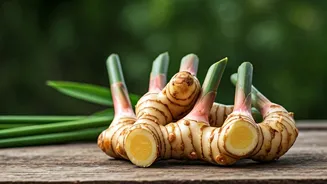
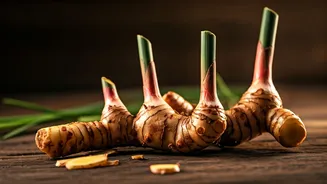
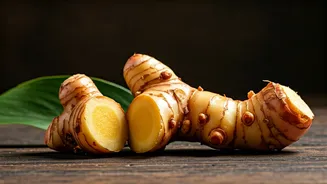
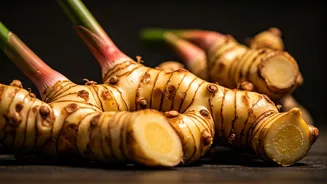
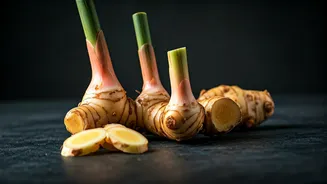
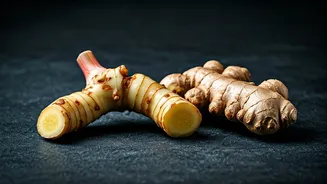
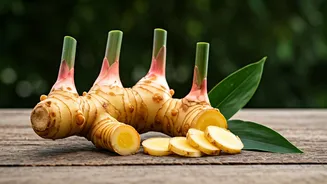
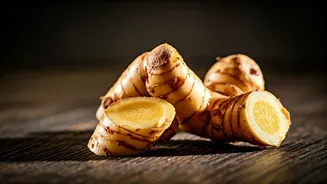
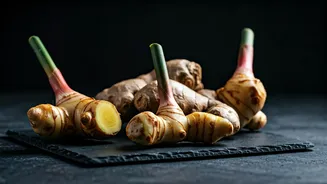
or 'Siamese ginger', it looks similar to its more famous cousin, but that’s where the similarities largely end. Fresh galangal has smoother, paler skin, often with a pinkish hue, and its flesh is significantly harder and more fibrous. But the real difference lies in its flavour. While ginger offers a warm, pungent spice, galangal delivers a completely different profile: it’s sharp, citrusy, and almost pine-like, with a peppery finish. This unique taste is what makes it an indispensable ingredient in iconic dishes like Tom Yum and Tom Kha Gai soups.
Galangal vs. Ginger: Not an Equal Swap
The most common mistake home cooks make is thinking galangal and ginger are interchangeable. Using ginger in a recipe that calls for galangal won't ruin the dish, but it will fundamentally change its character. Ginger brings a spicy heat, while galangal contributes a cooling, almost medicinal freshness and a complex, woodsy aroma. Its flavour is more assertive and less sweet than ginger's. The texture is also a key differentiator. Galangal is incredibly dense and tough, which means it can't be easily grated with a microplane like ginger. It needs to be thinly sliced or pounded in a mortar and pestle to release its aromatic oils. Think of ginger as the warm, comforting foundation in many Indian and Chinese dishes, whereas galangal is the bright, aromatic top note that defines much of Southeast Asian cooking.
The Secret to Flavourful Broths
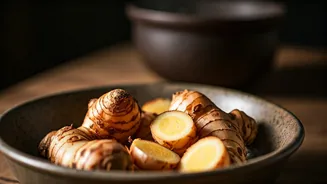
So, why is galangal so effective in soups? Its firm structure means it doesn't break down into mush when simmered. Instead, it slowly infuses the broth with its signature piney and citrusy fragrance. To use it, simply cut the fresh rhizome into thin, coin-like slices. There's no need to peel young, fresh galangal. Add these slices to your broth at the beginning of the cooking process and let them simmer for at least five to ten minutes to fully extract the flavour. Much like bay leaves or whole cinnamon sticks, the pieces of galangal are typically not eaten; they are left in the soup for aroma and diners simply eat around them. The result is a broth that is layered and aromatic, with a zesty character that can’t be replicated by any other spice. This infusion method works beautifully in clear broths, creamy coconut milk-based soups, and hearty lentil soups alike.
Simple Soups, Elevated
You don't need a complex recipe to experience the magic of galangal. Start with a simple clear vegetable or chicken soup. Add a few slices of galangal along with some bruised lemongrass stalks and watch as the broth transforms into something fragrant and exotic. For a richer option, try a coconut-based soup. Combine coconut milk with vegetable broth, add sliced galangal, mushrooms, and your choice of protein or vegetables like cauliflower and carrots. The galangal cuts through the richness of the coconut milk, creating a perfectly balanced and soothing soup. You can even give your everyday dal or lentil soup a twist. A few slices of galangal simmered with the lentils will add a surprising and refreshing citrusy note that complements the earthiness of the pulses. Available fresh in most Asian supermarkets, you can also find it in dried or powdered forms, though fresh is always recommended for the most vibrant flavour.