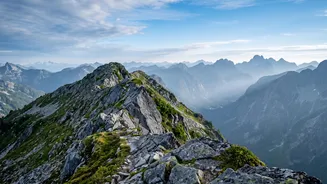

In a world of over-tourism and crowded landmarks, true discovery feels increasingly rare. But beyond the bustling cities lie remote hill stations and mountain towns, quiet havens where a richer, more authentic travel experience awaits.
Beyond the Postcard View
The term 'hill station'
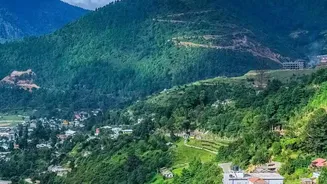
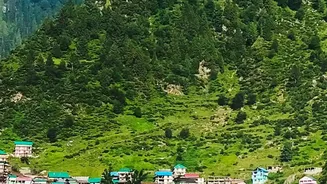
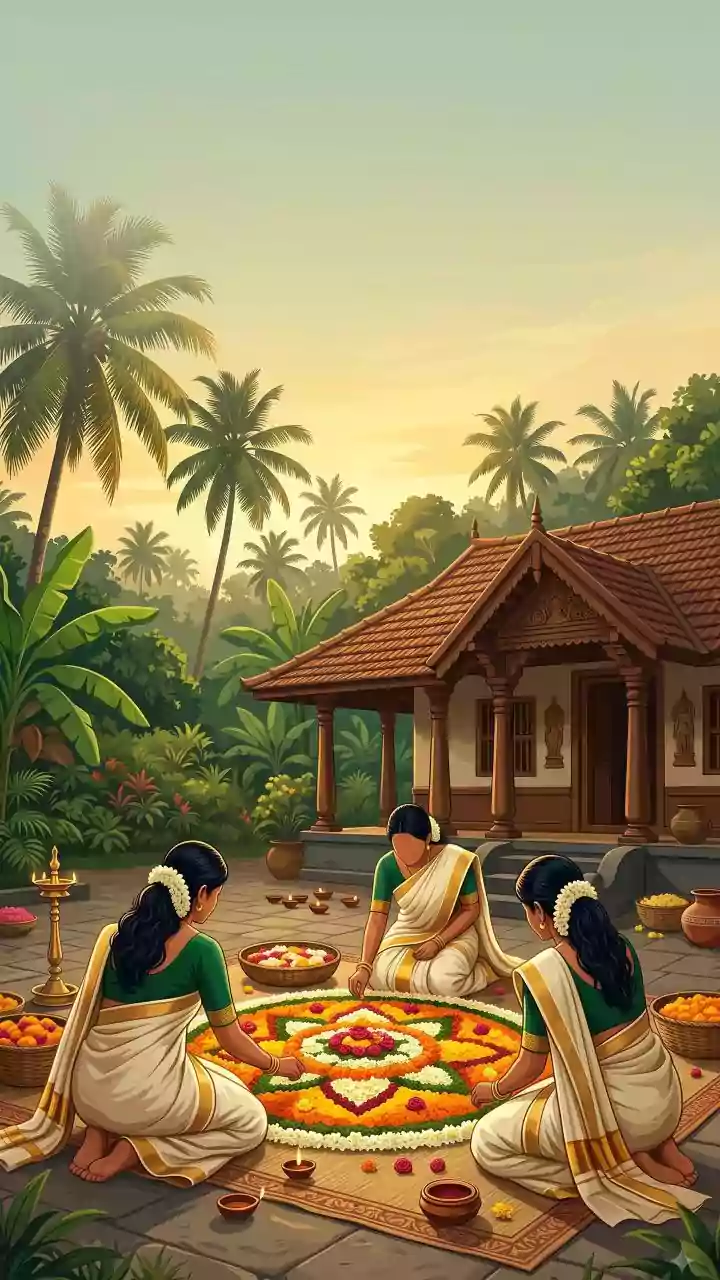
often evokes images of colonial-era retreats in places like India, established as escapes from the summer heat. Today, the spirit of the hill station extends to any high-altitude town that offers refuge and a distinct local character. Their magic lies in their relative isolation. Geographic barriers that once made them difficult to reach have also acted as a natural shield against the homogenizing effects of globalization. This separation allows a unique cultural ecosystem to flourish, creating a travel experience that’s less about seeing and more about feeling. Instead of just a pretty view, you find a place with a palpable sense of identity, shaped by generations of living in close connection with the mountain environment.
A Living Museum of Crafts and Traditions
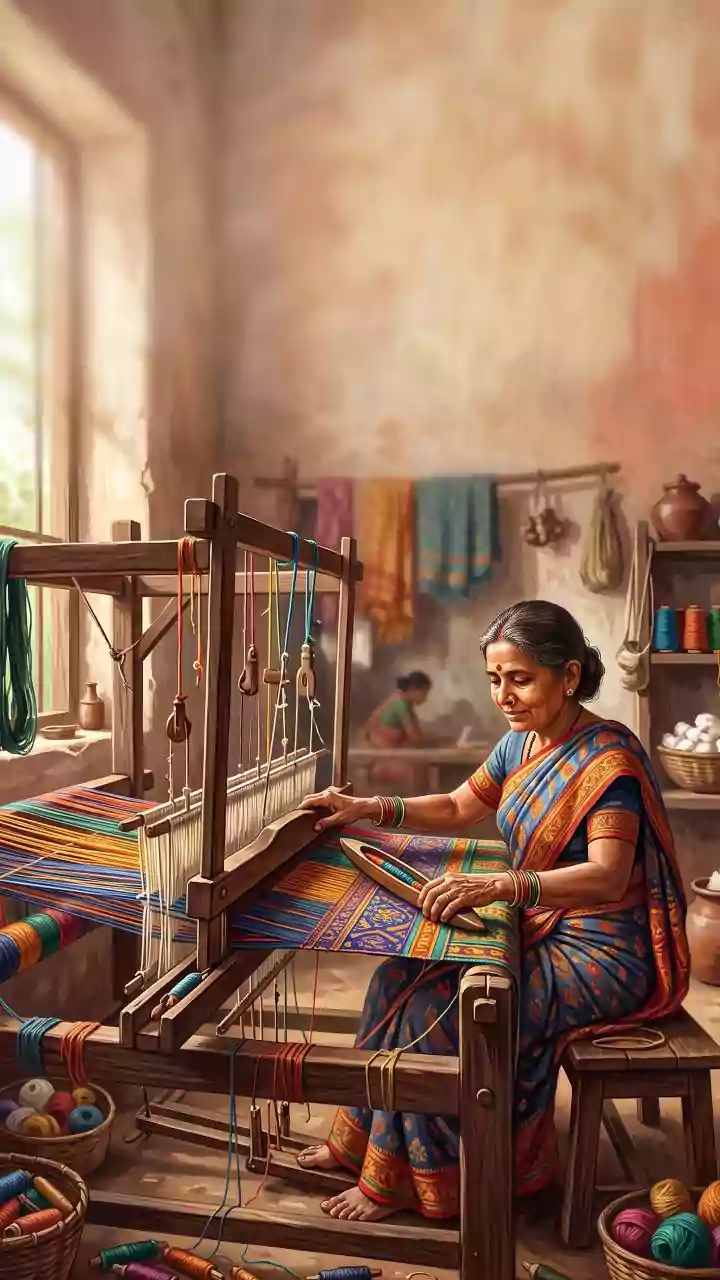
In these remote communities, heritage is not something confined to a museum; it is woven into the fabric of daily life. You might find artisans practicing woodworking, weaving, or pottery using methods passed down through centuries, not for tourist souvenirs, but for their own community's needs. In the mountains of Southeast Asia, intricate textile patterns tell ancient stories, while in the Andes, the style of a woven hat can signify a person's home village. This is 'intangible cultural heritage' in action—living traditions that are constantly being recreated and passed on. For a traveler, this means the opportunity to witness artistry that is both beautiful and deeply meaningful, a direct link to the region's soul that has not been diluted for mass consumption.
The Flavors of Altitude and Isolation
Nowhere is regional heritage more deliciously expressed than in its food. The cuisine of remote mountain towns is a direct reflection of the local landscape. Ingredients are often hyper-local, foraged from forests or grown in small, terraced gardens. Think of hearty stews cooked over a wood fire in a Palestinian village, cheese made from the milk of sheep grazing on alpine pastures, or unique varieties of corn and potatoes that only grow at specific altitudes in South America. These are not just meals; they are expressions of history and survival. The recipes themselves are a form of heritage, preserving flavors and techniques that tell the story of the community’s relationship with the land. Exploring these culinary traditions offers a taste of a place that no guidebook can fully capture.
Where Language and Stories Endure
Isolation also preserves one of the most fundamental aspects of culture: language. While dominant languages spread through media and commerce, remote mountain areas often remain strongholds for regional dialects and indigenous languages. With these languages come unique oral traditions—folklore, myths, and histories that are not written down but are kept alive through storytelling. Spending time in these communities offers a chance to hear these stories, to learn greetings in a local dialect, and to connect with a worldview shaped by a different linguistic lens. It’s an immersion that goes beyond translation, offering a glimpse into a different way of thinking and being that has been nurtured by the mountains themselves.
The Connection is the Destination
Ultimately, the power of visiting these less‐traveled places lies in embracing a 'slow travel' mindset. It’s about trading a packed itinerary for unhurried days, allowing for spontaneous conversations and genuine connections. Rather than rushing between sights, the goal becomes understanding the rhythm of local life. This approach not only reduces stress but fosters a more meaningful exchange between visitor and host. You learn about the local school, the upcoming festival, or the best place to watch the sunset from a resident, not an app. The reward is not just a collection of photos, but a sense of having truly connected with a place and its people, leaving with stories and memories that feel earned, not just consumed.