

The Fabric of a City
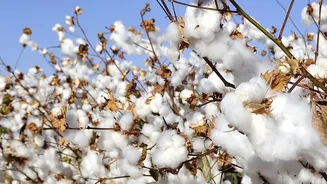
Coimbatore's story is spun from cotton thread. For centuries, the region's rich black soil was perfect for cultivating cotton, making it a key player in trade routes that stretched as far as ancient Rome. But its modern identity was forged in the late
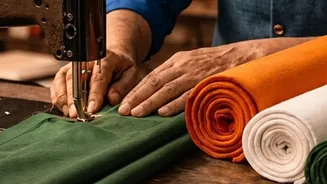
19th and early 20th centuries. The first mechanised textile mill, the Coimbatore Spinning and Weaving Mills, was established in 1888 by Sir Robert Stanes. This kickstarted an industrial boom. The real turning point came in the 1930s with the arrival of affordable electricity from the Pykara hydro-electric project. This powered a massive expansion, and as textile production in Mumbai declined, Coimbatore's flourished, earning it the well-deserved title 'Manchester of South India'.
A Journey Through Time at the Textile Museum
To truly grasp the city's evolution, a visit to the Kasthuri Sreenivasan Art Gallery & Textile Museum is essential. This cultural centre offers a chronological journey through the textile industry's growth. Here, you can see models of ancient spinning wheels, like the Saxony wheel from 1530 AD, and get a close look at the machines that powered the industrial revolution. The museum showcases the entire process, from fibre to fabric, and even features displays on the development of different yarn systems. It also houses antique sarees and artefacts, providing a tangible link to the region's rich sartorial past and celebrating its proud heritage.
Shopping the Textile Trail
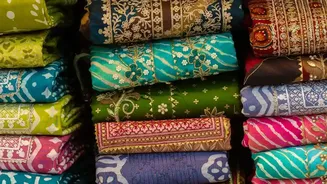
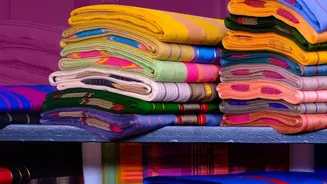
No exploration of Coimbatore's textile story is complete without a shopping trip. The epicentre of this trade is Oppanakara Street, a bustling commercial hub that captures the city's entrepreneurial spirit. This street and the surrounding Town Hall area are packed with multi-storey showrooms and smaller shops selling everything from cotton and silk sarees to dress materials and readymade garments. It’s a vibrant, high-energy experience, especially during festive seasons. For a different vibe, you can explore weaving communities in nearby villages like Sirumugai or Periya Negamam, which are known for their skilled artisans and traditional handloom sarees. These areas offer a chance to buy directly from the source and appreciate the intricate craftsmanship of handwoven textiles.
The Living Loom: Handloom and Modern Design
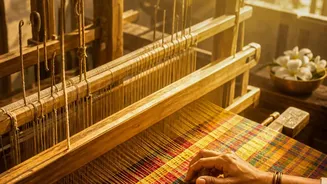
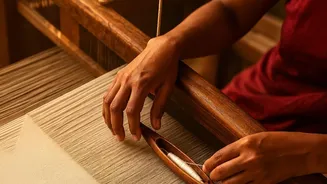
While the large mills defined its past, Coimbatore's textile story continues in its thriving handloom sector. You can find numerous stores dedicated to handloom fabrics, including Khadi, which support local artisans. Shops like Co-optex and other dedicated handloom houses showcase a wide variety of traditional weaves. These spaces are vital for preserving generations of skill. Furthermore, a new generation of designers and boutiques are reinterpreting this heritage. They use locally sourced fabrics to create contemporary clothing, ensuring that the city's textile legacy continues to evolve and find a place in the modern wardrobe.
Beyond the Mills: Completing Your Getaway
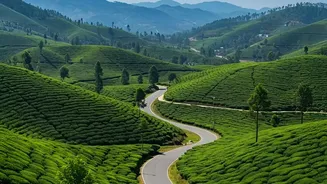
While textiles are the city's heart, a getaway to Coimbatore offers much more. The city serves as a gateway to the stunning Western Ghats, with popular hill stations like Ooty and Coonoor just a scenic drive away. These destinations provide a refreshing escape into nature with their tea plantations, lush gardens, and cool climate. Closer to the city, you can find tranquility at places like the Marudhamalai Hill Temple or the Dhyanalinga Temple. And of course, no trip is complete without sampling the local Kongunadu cuisine, famous for its unique flavours and spices, including the celebrated Coimbatore mutton biryani.