





Why Fibre is Your Unsung Hero
First, let's understand this powerhouse nutrient. Dietary fibre is a type of carbohydrate found in plant foods that your body can't easily digest. This might sound like a drawback, but it's actually its greatest strength. Because it slows down digestion,
fibre helps you feel full for longer, which can prevent overeating. It also plays a crucial role in regulating blood sugar levels by preventing sharp spikes after a meal. Furthermore, a high-fibre diet supports good gut health, promotes regular bowel movements, and can help lower cholesterol levels and blood pressure. It’s a key player for overall wellness, from managing weight to reducing the risk of several chronic diseases.
The Thali: A Masterclass in Balance
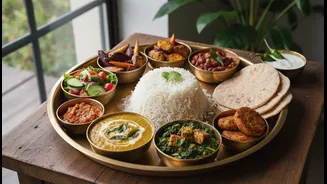
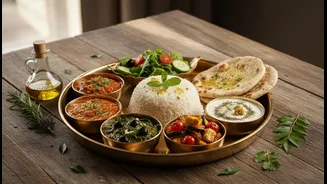
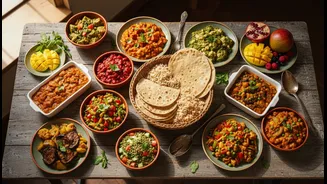
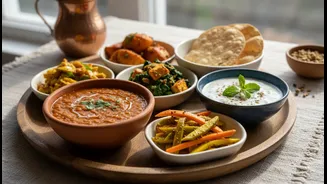
The traditional Indian thali is a perfect example of a balanced, high-fibre meal. It isn’t by accident; it’s by design. A typical plate includes a dal (lentils), a sabzi (vegetables), whole-wheat roti or a millet-based flatbread, and a side of salad (kachumber). This combination naturally provides a fantastic mix of soluble and insoluble fibre. The dal offers fibre and protein, the vegetables provide vitamins and more fibre, and the whole-grain roti adds complex carbohydrates that release energy slowly. This balanced approach ensures satiety and a diverse intake of nutrients in one satisfying meal.
Embrace the Grain Rainbow
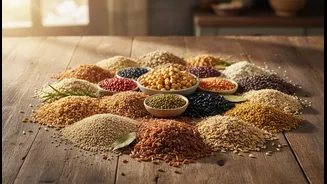
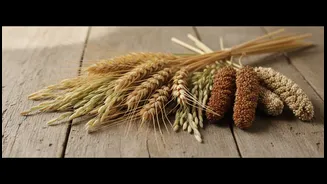
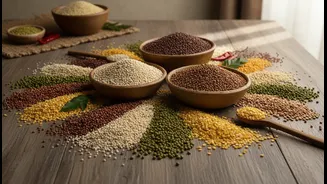
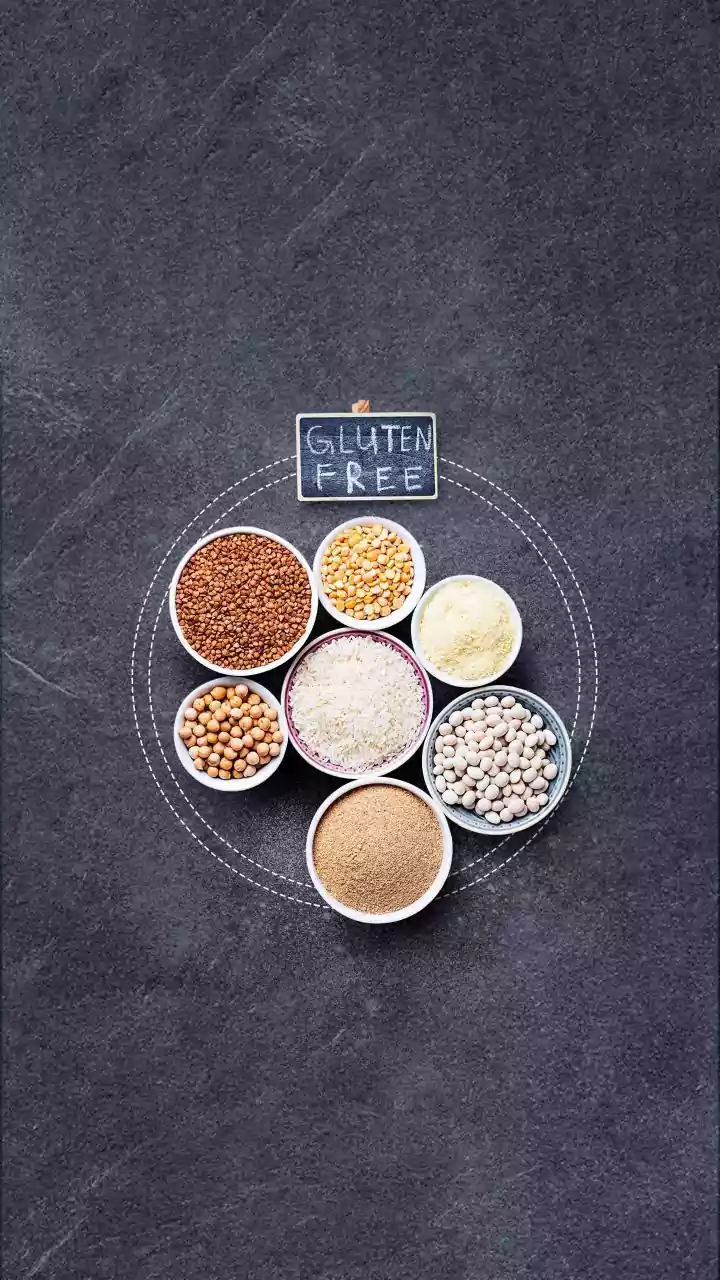
One of the easiest ways to boost your fibre intake is to swap refined grains for whole ones. Instead of white rice for every meal, try incorporating brown rice, which has more fibre. Better yet, explore the world of millets. Grains like jowar (sorghum), bajra (pearl millet), and ragi (finger millet) are fibre-packed powerhouses that have been part of Indian cuisine for centuries. You can make rotis from bajra or jowar flour, or prepare dishes like ragi dosas and foxtail millet upma. These swaps don't just add fibre; they introduce new textures and nutty flavours to your meals.
The Power of Pulses and Legumes
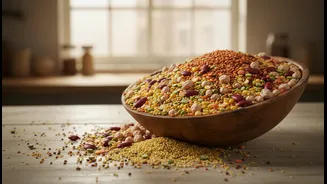
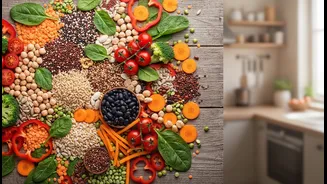
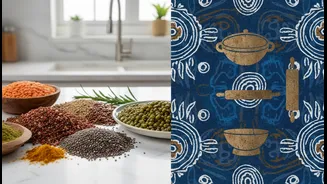
India’s variety of dals and legumes is astounding, and they are all excellent sources of fibre and plant-based protein. From masoor and moong dal to rajma (kidney beans) and chana (chickpeas), these are staples for a reason. They are incredibly versatile. You can have them as a classic dal tadka, in a hearty rajma masala, or as a sprouted moong salad. Including a dal or legume dish with your lunch and dinner is a simple and effective strategy to make your meals more filling and nutritious. They help keep you full, support digestive health, and provide steady energy levels.
Make Vegetables the Star
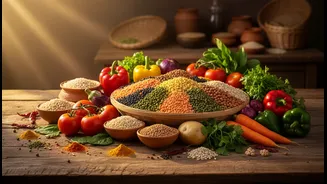
Often relegated to a small side dish, vegetables can and should take centre stage. Indian cuisine offers countless ways to make vegetables delicious. A generous serving of sabzi is key to a high-fibre meal. Vegetables like bhindi (okra), lauki (bottle gourd), spinach, and green peas are all rich in fibre. Instead of a heavy, oily curry, try lightly sautéing or steaming your vegetables to retain their nutrients. You can also sneak extra vegetables into dishes like poha, upma, or even your dal. A colourful plate is a sign of a nutrient-dense meal.
Smart Snacking, Indian Style
Feeling peckish between meals doesn't mean you have to reach for a packet of chips. Indian cuisine has a wealth of healthy, high-fibre snack options. A handful of roasted chana is a fantastic snack that provides both protein and fibre, helping to control hunger effectively. Other great options include a bowl of sprouts chaat, a piece of fruit like a guava or an apple, or shakarkandi (sweet potato) chaat. These snacks are not only delicious but also contribute to your daily fibre goals without feeling like a compromise.