






The Customer Is Always Right—And Rarely Carries Cash
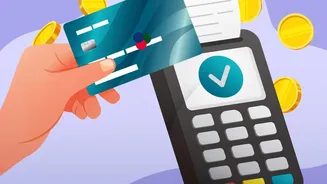
The single biggest driver behind the move to digital is simple: it’s what customers want. Consumer habits have fundamentally shifted. Fewer people carry significant amounts of cash, with debit and credit cards accounting for the vast majority of in-person
payments. The expectation for a quick, contactless tap of a card or smartphone is now the default. For a small shop, failing to meet this expectation can mean losing a sale. Business owners are motivated to adopt digital payments to keep up with customer preferences and stay competitive. By offering a variety of payment options, from mobile wallets like Apple Pay to traditional cards, small businesses can attract more customers and even see a bump in the average sale amount.
More Than Just a Payment Processor
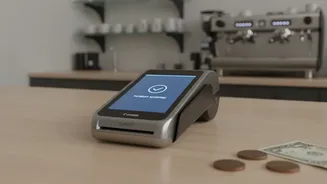
Modern point-of-sale (POS) systems are no longer just clunky machines for swiping cards. Today’s affordable, cloud-based systems are all-in-one command centers for a small business. These platforms do more than just process transactions; they track sales data in real-time, manage inventory, and even handle employee scheduling. For a coffee shop owner, the POS can reveal which pastry is selling best and when the morning rush truly peaks. For a retailer, it can automatically reorder low stock. This integration of sales, inventory, and customer data provides valuable insights that help owners make smarter, data-driven decisions without needing a degree in analytics.
The Hidden (and High) Costs of Cash
While digital payments come with transaction fees, many business owners are realizing that cash isn't free. The costs associated with handling cash can be surprisingly high, ranging from 4% to as much as 15% of the transaction value. These costs include time spent counting drawers, making bank deposits, and managing security risks like counterfeit bills or theft. Digital transactions, by contrast, create an automatic record, which streamlines bookkeeping, reduces human error, and makes tax filing simpler. The security and efficiency gains often outweigh the processing fees, which have become more competitive as new financial technology companies enter the market.
Lowering the Barrier to Entry
In the past, setting up credit card processing involved expensive hardware and lengthy contracts with traditional banks. Today, companies like Square, Stripe, and others have made it incredibly simple and affordable for even the smallest vendor to start accepting digital payments. A small business can now get started with a simple, low-cost card reader that connects to a smartphone or tablet. This accessibility has been a game-changer, especially for new entrepreneurs and mobile businesses like food trucks or market stalls. A recent survey noted that for new businesses started during the pandemic, access to electronic payments was cited as one of the most important tools for getting off the ground.