


What Exactly Is GRAP?
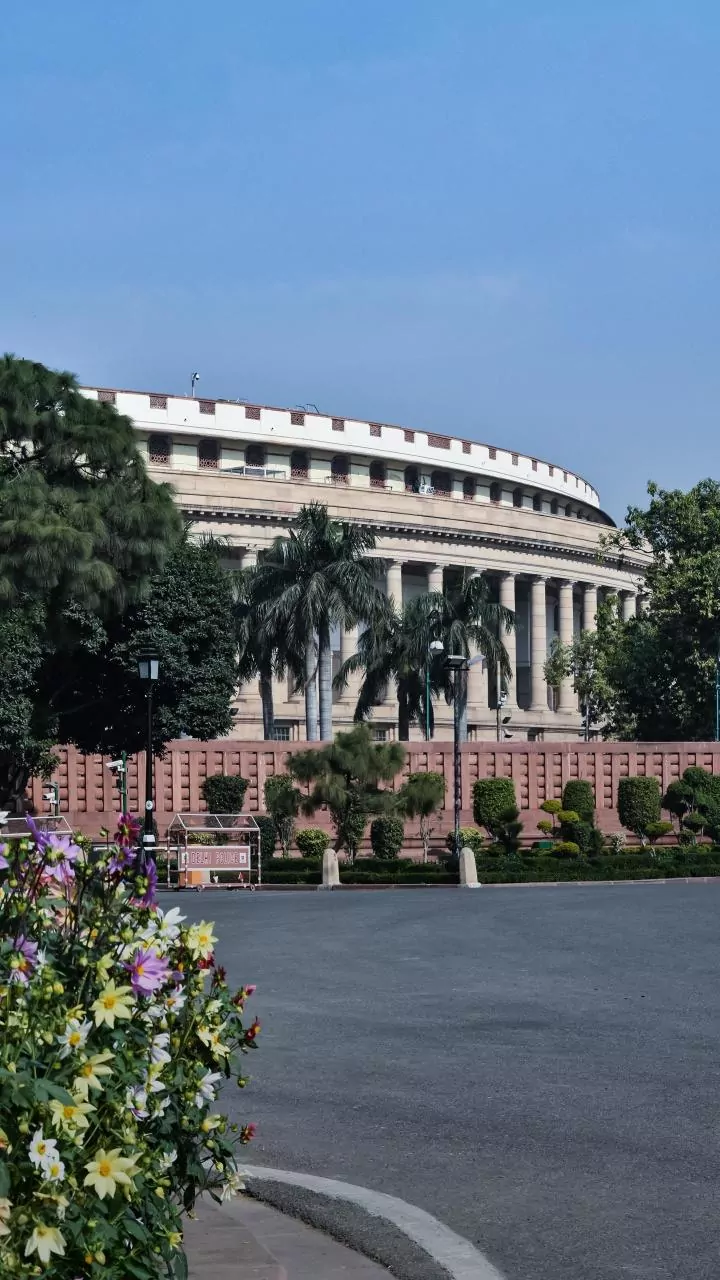
The Graded Response Action Plan (GRAP) is a set of emergency measures designed to be implemented incrementally as air quality worsens in Delhi and its surrounding regions. Notified in 2017 following a Supreme Court order, it is now managed by the Commission
for Air Quality Management (CAQM). The core idea is proactive prevention rather than reactive crisis management. Instead of waiting for pollution to hit hazardous levels, GRAP provides a clear, four-stage roadmap for agencies in Delhi, Haryana, Uttar Pradesh, and Rajasthan to follow. Each stage is tied to a specific Air Quality Index (AQI) threshold, ensuring a coordinated response as the threat escalates.
Why Was Stage 1 Triggered Now?
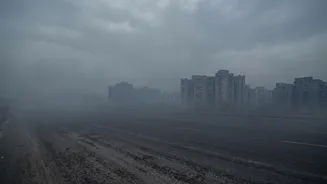
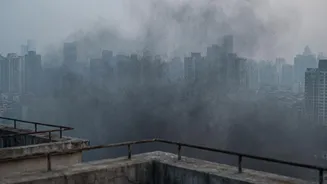
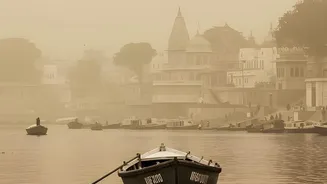
The enforcement of GRAP Stage 1 was a direct response to a sharp decline in air quality. On October 20, 2026, Delhi's average AQI was 179, within the 'moderate' range. By the afternoon of October 21, it had jumped to 244, firmly in the 'poor' category (201-300). This marked the city's first 'poor' air day of the season. With forecasts from the IMD and IITM predicting that the air quality would likely remain 'poor' in the coming days, the CAQM's sub-committee decided to implement Stage 1 immediately to prevent further deterioration. By the morning of October 22, some monitoring stations like Jahangirpuri and Chandni Chowk had already reported 'very poor' air quality, with AQI readings crossing 300.
What Changes Under GRAP Stage 1?
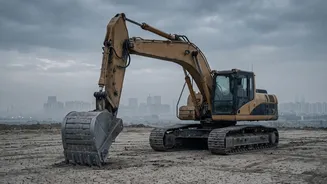
Stage 1 focuses on curbing key sources of pollution before they spiral out of control. For residents and businesses, this means several immediate changes. There is a strict ban on the open burning of municipal solid waste and biomass. The use of coal and firewood in tandoors at hotels, restaurants, and other open eateries is prohibited. To control dust, a major contributor to particulate matter, authorities will intensify mechanized sweeping and water sprinkling on roads. Strict dust control measures must be enforced at all construction and demolition sites. Furthermore, there is a crackdown on visibly polluting vehicles, which face heavy penalties or impounding, and stricter checks for Pollution Under Control (PUC) certificates. The use of diesel generator sets is also restricted, permitted only for emergency and essential services.
An Escalating Response: What Comes Next?
GRAP is designed to be incremental. If air quality continues to decline, more stringent measures will be rolled out. Stage 2 ('Very Poor' AQI, 301-400) would involve actions like increasing parking fees to discourage private vehicle use and boosting public transport services. If the situation worsens to Stage 3 ('Severe' AQI, 401-450), authorities could impose a ban on construction and demolition activities and restrict the plying of certain categories of vehicles. The most drastic measures are reserved for Stage 4 ('Severe+' AQI, above 450), which could see a ban on the entry of trucks into Delhi (except for essentials), restrictions on private car use, and the closure of schools and offices. This structured escalation ensures that the response is proportional to the severity of the air quality crisis.