




Current Weather Outlook
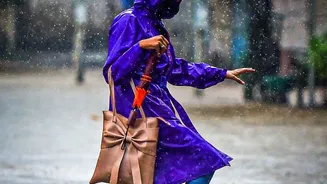
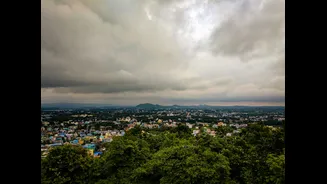
The India Meteorological Department (IMD) has forecast the onset of the northeast monsoon, which is expected to bring significant rainfall to several southern states through October 20. On October 15, heavy to very heavy rainfall is likely in isolated
places across Kerala, Tamil Nadu, Puducherry, and Karaikal. Isolated heavy rain is also expected in Coastal Andhra Pradesh and South Interior Karnataka. This wet spell, accompanied by thunderstorms and gusty winds, is predicted to continue, affecting other areas including Telangana and Rayalaseema in the coming days. Travellers should anticipate potential disruptions and stay updated with the latest IMD bulletins.
Safety is Your Top Priority
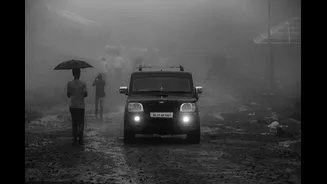
Before making any changes to your plans, assess the safety of your current location and intended destination. No travel itinerary is worth risking your well-being. During heavy downpours, visibility can drop significantly, and the risk of waterlogging and landslides in hilly areas increases. The IMD and local authorities have advised the public to avoid unnecessary travel during peak rainfall and to stay away from vulnerable structures or areas prone to flooding. If you are in a safe location, it is often best to stay put until the weather improves. If you must travel by road, reduce your speed significantly, use your headlights, and maintain a greater distance from the vehicle in front of you.
Modifying Flight Bookings
Airlines have specific policies for disruptions caused by bad weather, which is considered a 'force majeure' event. While airlines may not be required to pay monetary compensation, passengers are protected by rights outlined by the Directorate General of Civil Aviation (DGCA). If your flight is cancelled, the airline must offer you the choice between a full refund or an alternative flight to your destination. For significant delays, particularly those over six hours or requiring an overnight stay, airlines are often obligated to provide meals, refreshments, and even hotel accommodation. Contact your airline directly through their app, website, or customer service helpline to understand your options. Have your booking reference or PNR number ready. If you booked through a travel agent, you should initiate the change or refund process through them.
Handling Train and Hotel Reservations
For those travelling by Indian Railways, you can file a Ticket Deposit Receipt (TDR) if your train is cancelled or running late by more than three hours, making you eligible for a full refund. This can be done online via the IRCTC website for e-tickets or at the station for counter tickets. When it comes to hotels, policies vary. Contact your hotel as soon as you know your plans will be affected. Many hotels offer flexibility during severe weather events, especially if you have booked directly. Explain the situation clearly and inquire about rebooking for a future date or the possibility of a partial or full refund. Keep a record of all your communications, including names of staff you speak with and any reference numbers provided.
For Those on the Road
If you are already on a road trip, your immediate concern should be safety. Avoid driving through waterlogged streets, as hidden potholes or debris can cause significant damage to your vehicle. Never attempt to cross a road where water is above the bottom of your car's doors. Before setting out, check your vehicle's essential functions, including wiper blades, tyres, and headlights. In extremely heavy rain where visibility is severely limited, it is safest to pull over to a secure spot, away from trees or power lines, and wait for the rain to subside. Use official sources and navigation apps that provide real-time traffic and road closure information to plan your route and avoid hazardous areas. The national emergency helpline for highways in India is 1033.
Staying Reliably Informed
During weather-related events, misinformation can spread quickly. Rely on official channels for the most accurate updates. The IMD's website (mausam.imd.gov.in), its official social media accounts, and the 'Mausam' app are the primary sources for weather forecasts and warnings. Many state disaster management authorities also provide real-time updates relevant to their region. Keep your phone charged and consider carrying a power bank. Having a small emergency kit with essentials like water, snacks, a first-aid kit, and a torch is also a wise precaution, especially if you are travelling through remote areas.