

What Exactly Is Podi?
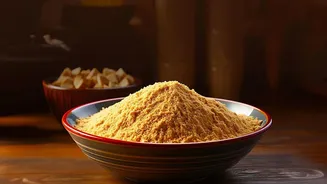
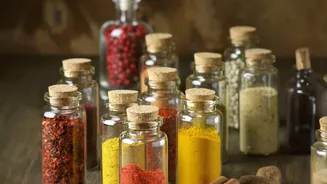
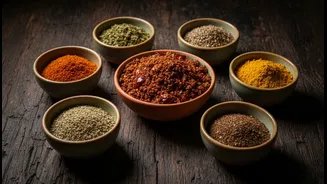
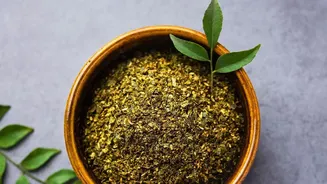
Podi, which simply means “powder” in several South Indian languages, is a coarse and aromatic spice blend. Far from a single recipe, it is a whole category of condiments made from a base of slow-roasted lentils, seeds, and spices. Each family and region
has its own treasured version. Common ingredients include roasted lentils like urad dal and chana dal, dried red chillies, sesame seeds, and curry leaves. One of the most famous varieties, milagai podi, is often playfully called “gunpowder” for the explosive flavour it adds to any dish. Unlike many wet chutneys, podi is a dry powder, making it a shelf-stable powerhouse of flavour that’s ready to use anytime.
A Comforting Taste of Home
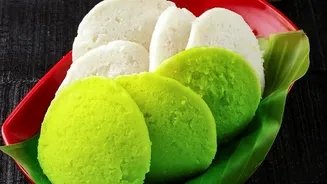
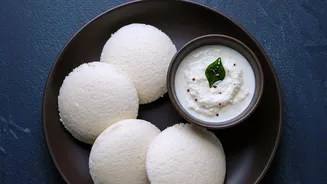
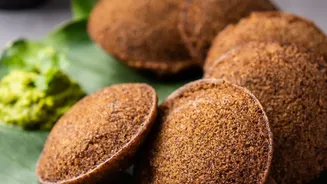
For generations, podi has been an indispensable part of the South Indian home. Traditionally, it’s served as a simple, satisfying accompaniment to breakfast staples like idli and dosa. A spoonful of podi is typically mixed with a little ghee or sesame oil to form a coarse paste, perfect for dipping the soft, steamed rice cakes into. It’s also frequently sprinkled over hot steamed rice for a quick, comforting meal that delivers complex flavour with minimal effort. This history roots podi not as a gourmet ingredient, but as a beloved, everyday solution for adding nourishment and taste.
From Regional Staple to Global Star
So why is podi suddenly appearing on menus and social media feeds from New York to London? Its rise is fuelled by several modern culinary trends. As global palates become more adventurous, there's a growing appetite for the bold, authentic, and regional flavours that podi delivers. Furthermore, with its lentil and seed base, it aligns perfectly with the interest in plant-based, high-protein foods. Indian chefs and food writers have also played a crucial role, showcasing podi's versatility and moving beyond its traditional uses. Small businesses and home entrepreneurs, many of whom started during the pandemic, have made artisanal, high-quality podis more accessible than ever to a global audience.
Podi Beyond the Dosa
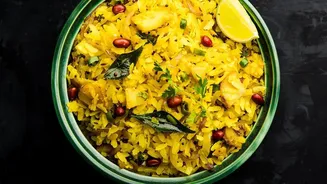
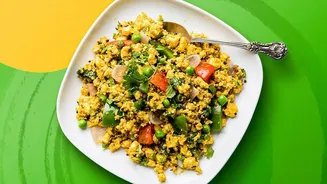
While its classic pairing with idli is timeless, the modern kitchen has found countless new ways to use podi. Its savoury, nutty crunch has made it a popular topping for avocado toast. Home cooks and chefs are sprinkling it over roasted vegetables, pasta, and popcorn. It can be used as a dry rub for paneer, chicken, or fish, or blended into yogurt or mayonnaise to create a quick, flavourful dip. Some even use it to add a spicy kick to sandwiches or mix it into the stuffing for parathas. This incredible versatility is key to its growing appeal, proving it can enhance dishes far beyond its South Indian origins.
A Shelf Full of Flavour
Podi's journey is often compared to that of other international seasoning blends that have gone global. Japan’s furikake, a mix of dried fish, seaweed, and sesame seeds, also started as a rice seasoning before becoming a worldwide pantry staple. Similarly, the Middle Eastern blend za'atar, a mix of thyme, sesame seeds, and sumac, has moved from regional bread and dips to flavouring everything from eggs to roasted meats in kitchens globally. Like these counterparts, podi offers a simple way to add texture, umami, and complexity. It’s not about replacing other seasonings, but about earning its own spot on a shelf increasingly full of global flavours.