





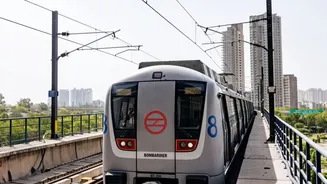
A Record-Breaking Day
On November 2, 2026, a staggering 1.6 million passengers travelled on the Delhi Metro's fully automated, driverless train network. This single-day record was driven by the pre-Diwali rush, as commuters flocked to the city's markets and travelled to meet
family and friends ahead of the festival. The number is so large it's hard to visualise: it's more than the entire population of Arunachal Pradesh. This meant that on that day, one in every five passengers on the entire Delhi Metro network, which saw a total ridership of about eight million, was riding on a driverless train.
The Automated Arteries of Delhi
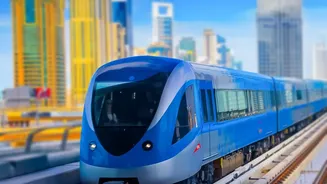
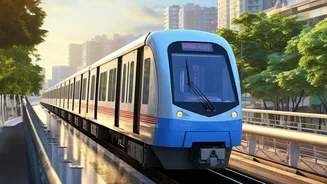
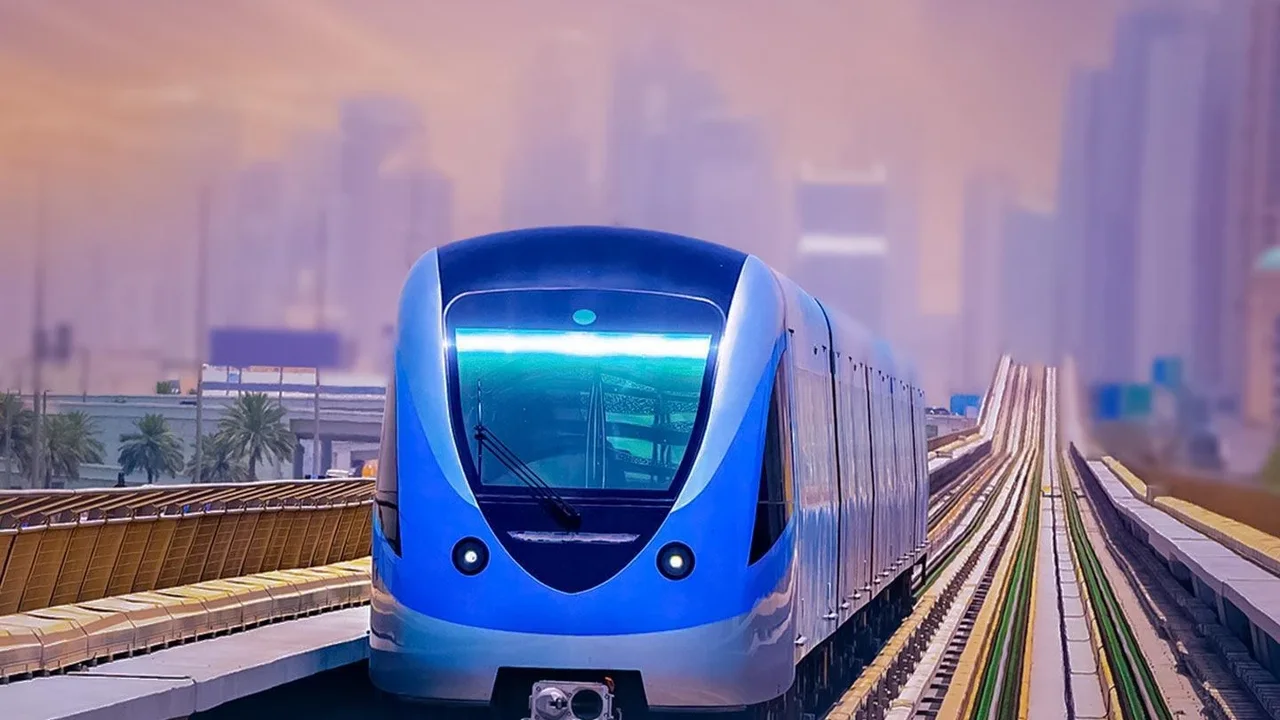
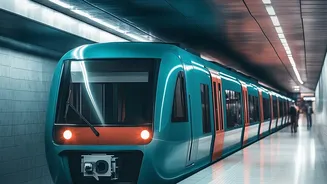
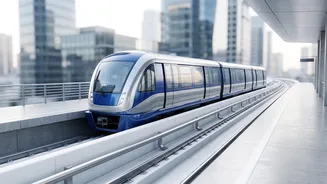
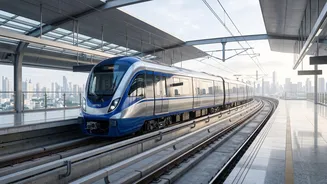
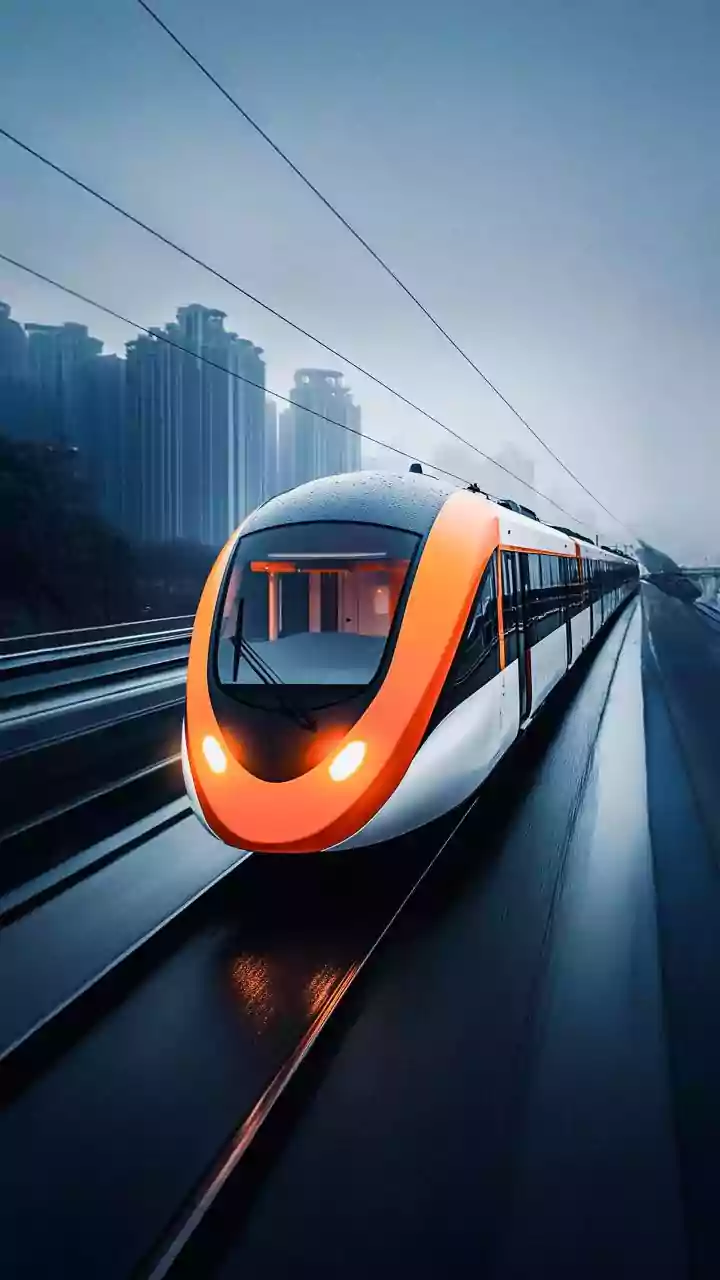
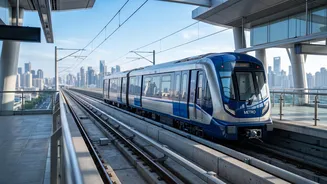
The record was set on Delhi Metro's two lines that operate with Unattended Train Operation (UTO) technology: the Magenta Line and the Pink Line. These lines were the first in India to adopt this advanced system, with the Magenta Line starting driverless operations in December 2020. Together, they form a 120-kilometre automated corridor, which accounts for nearly 30% of the entire Delhi Metro network. The DMRC currently operates a fleet of 100 UTO-enabled trains across these two vital routes, making Delhi's driverless network the largest in India and one of the largest in the world.
What 'Driverless' Really Means
The term 'driverless' refers to the highest Grade of Automation (GoA 4), where trains are controlled entirely by advanced signalling and control systems. The technology, known as Communication-Based Train Control (CBTC), allows for greater precision and efficiency. It enables trains to run at higher frequencies—as close as every two minutes during peak hours—and reduces the possibility of human error, enhancing overall safety. While the trains run without an operator in the cabin, every movement is monitored and managed from a central operations control centre, ensuring a safe and seamless journey for millions.
Putting the Numbers in Context
While 1.6 million on the driverless lines is impressive, the entire Delhi Metro network regularly achieves massive ridership figures. The average daily ridership for the whole network in 2026 is around 6.4 million passenger journeys. The all-time highest single-day ridership for the entire network was recorded at over 8.2 million. The November 2 record is significant because it shows how quickly commuters have adopted the automated services and how integral the Pink and Magenta lines have become to the city's transport fabric, especially during peak demand periods like festivals. The Pink Line in particular, one of the world's longest circular metro lines, allows for easier interchanges and helps decongest other parts of the network.
A Glimpse into the Future
The success of Delhi's driverless trains is seen as a benchmark for other metro systems across India. DMRC's Managing Director, Vikas Kumar, has noted that automation brings more flexibility to operations and improves the availability of coaches for service. As ongoing Phase IV expansion projects are completed, the driverless network in Delhi is set to expand to nearly 200 kilometres. Addressing concerns about job losses, DMRC has clarified that train operators from these lines have been redeployed to other important roles like station management and crowd control, not laid off. This successful model is now being looked at by other cities, paving the way for a more automated and efficient future for urban mobility in the country.