



The New Creative Hubs
For decades, Indian fashion was synonymous with its metropolitan giants. But a significant shift is underway as Tier 2 cities like Jaipur, Lucknow, Kochi, and Ranchi emerge as vibrant centres of style and innovation. No longer content to just follow trends,
designers in these cities are drawing on their unique cultural and craft heritages to create fashion that feels both personal and globally relevant. This move is fueled by a desire for authenticity, lower operational costs, and direct access to artisan communities that have been practising their craft for centuries. The result is a fashion ecosystem that is more diverse, sustainable, and deeply rooted in local identity.
Reimagining the Weave
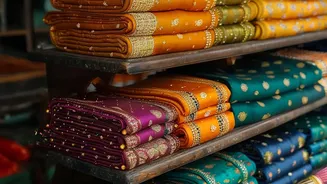
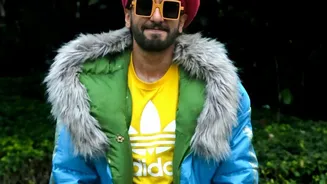
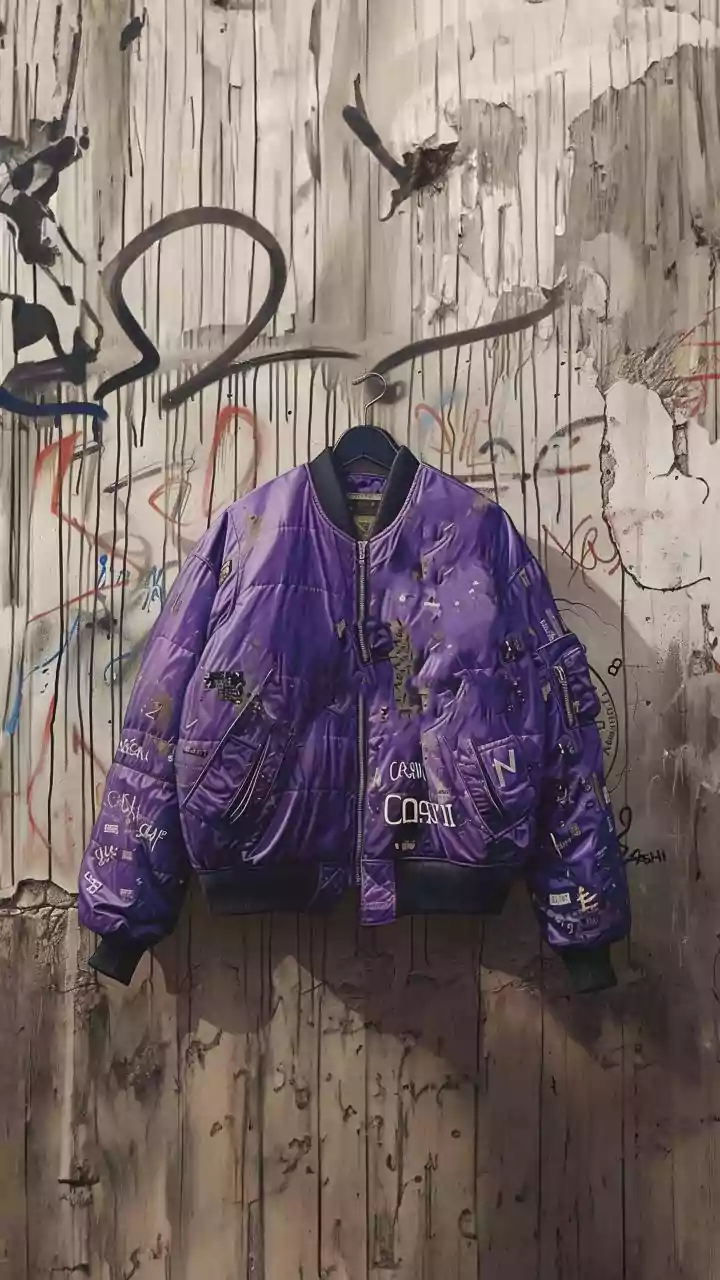
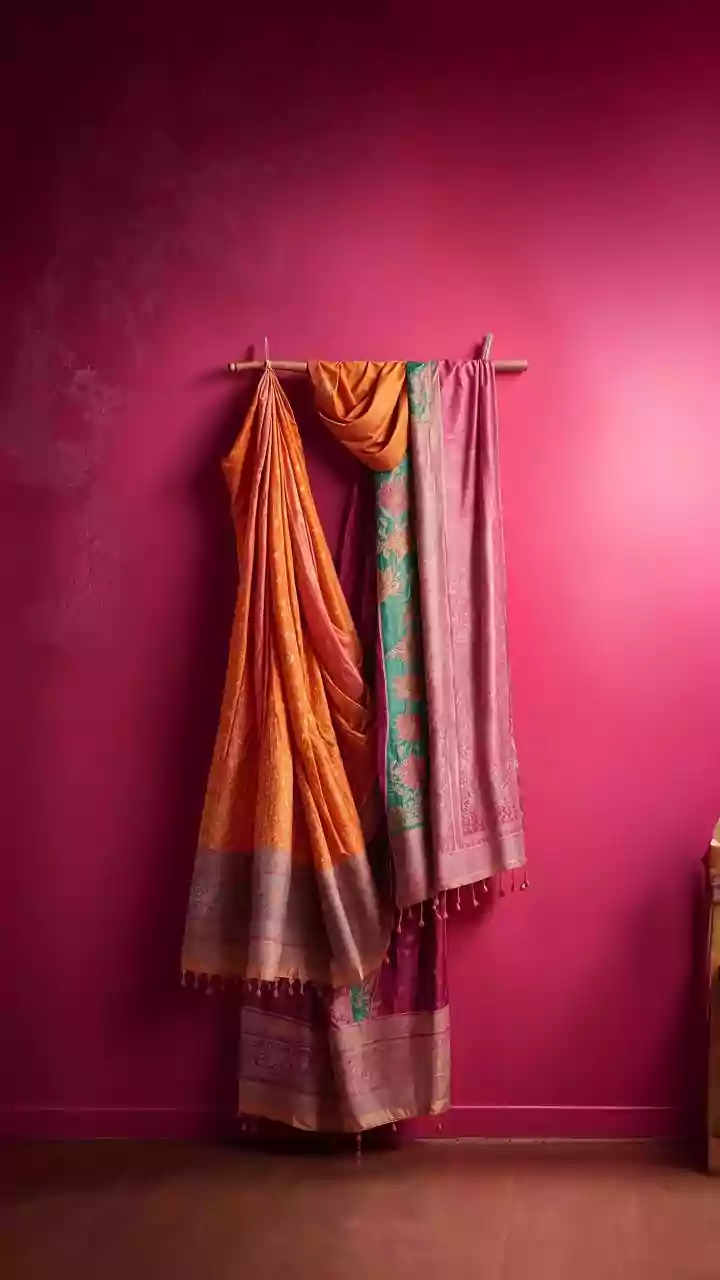
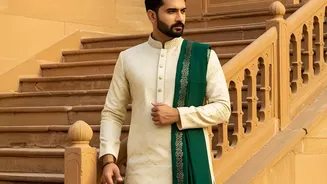
The core of this movement lies in a radical reinterpretation of traditional fabrics. Handlooms like Khadi, once the uniform of the freedom struggle, are now being fashioned into minimalist bomber jackets and structured co-ord sets. The intricate double-Ikat of Pochampally finds new life in oversized hoodies, while the delicate jamdani weave is incorporated into breezy, contemporary silhouettes. Designers are collaborating directly with weaving clusters, experimenting with dyes, textures, and patterns to make these heritage textiles work for modern, everyday wear. This isn't about simply placing a traditional motif on a t-shirt; it's about re-engineering the fabric and the garment to honour the craft while pushing its boundaries.
More Than Just Clothing
For these creators, mixing streetwear with handloom is not just an aesthetic choice; it’s a philosophical one. It’s a powerful statement about modern Indian identity—one that embraces global trends without abandoning local roots. This approach champions slow fashion and sustainability, moving away from the fast-fashion cycle by creating durable, timeless pieces with a traceable story. By working directly with artisan communities, these brands provide fair wages, preserve endangered craft techniques, and empower local economies. Younger consumers, in particular, are drawn to this narrative, seeking transparency and a story behind the clothes they wear.
Faces of the Fusion
Across the country, this trend takes on unique local flavours. In Jaipur, a designer might partner with block-printers from Sanganer to create a custom camo print using natural dyes for a line of cargo pants. From Ranchi, a brand like Johargram showcases the textiles of Jharkhand, creating modern streetwear that keeps indigenous traditions alive. In the south, a creator might work with Kanchipuram weavers to develop a lighter, more breathable silk blend perfect for streetwear silhouettes. These are not isolated examples but part of a nationwide pattern of hyper-local creativity, where designers are becoming cultural bridges, connecting the wisdom of the past with the style of the future.