



A Shift Towards Meaningful Decor
For many young Indians, setting up a first home is no longer about filling it with the latest factory-made furniture. Instead, there's a growing movement towards authenticity and conscious consumption. Generation Z, in particular, is driving this change,
seeking decor that tells a story and reflects personal values. This generation, defined by its digital fluency and environmental awareness, is opting for items that are not only beautiful but also sustainable and culturally significant. They are rejecting generic, fast-furniture aesthetics in favour of creating homes that feel like personal sanctuaries, rich with history and meaning. This shift is less about following a trend and more about forging a connection to their heritage and the planet.
Why Sustainability and Heritage Resonate
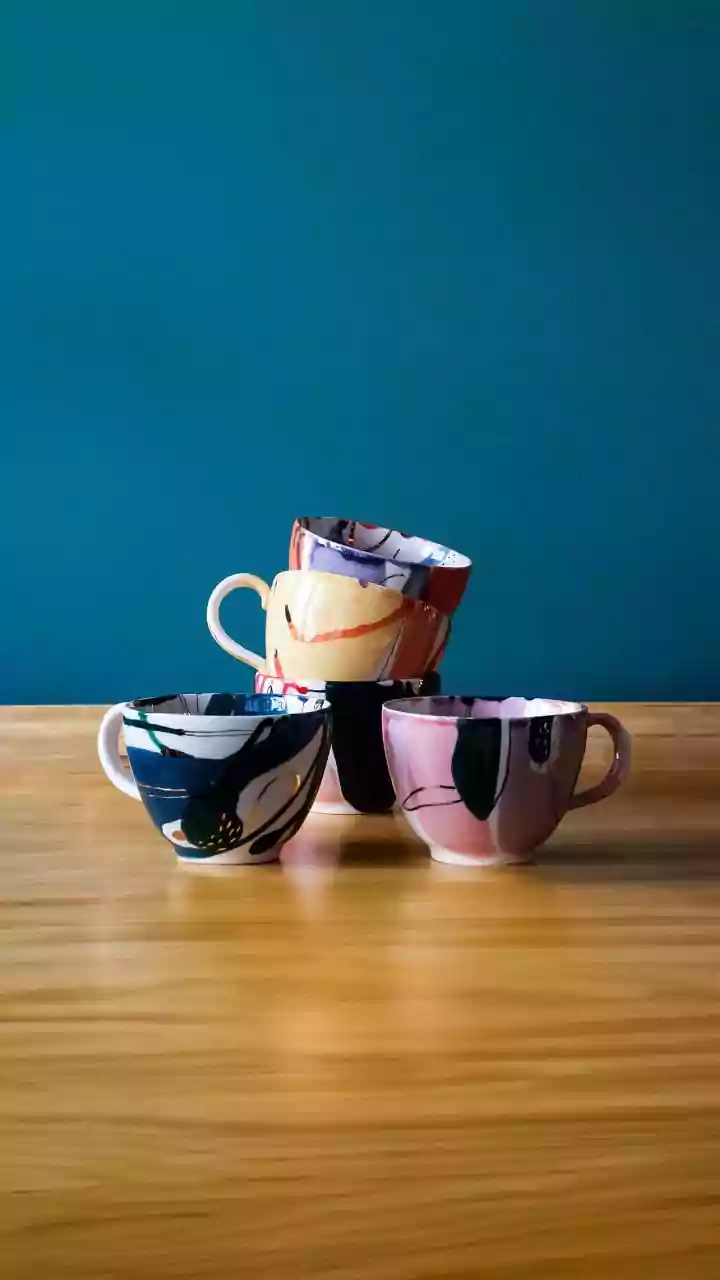
The choice to decorate with plastic-free Indian crafts is rooted in two core principles: environmental responsibility and cultural pride. Having grown up with conversations about climate change, Gen Z is highly motivated to make eco-friendly choices. Materials like terracotta, bamboo, jute, and reclaimed wood are gaining popularity because they are natural, biodegradable, and have a low environmental impact. By choosing these items, young homeowners are actively reducing waste and supporting a circular economy. Simultaneously, there is a renewed appreciation for local artistry. Selecting a hand-painted console, a woven wall hanging, or a clay vase is a way to support artisan communities and preserve age-old skills that might otherwise be lost. It's a choice that infuses a modern apartment with a sense of history and soul.
The Crafts Making a Modern Comeback
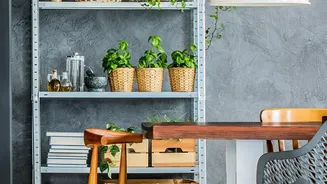
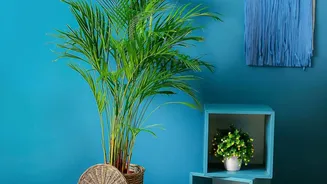
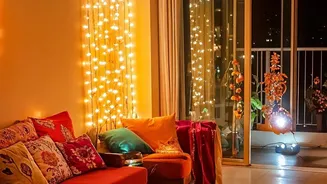
The beauty of this trend lies in its adaptability to small urban spaces. Rather than cluttering a room, the focus is on a few high-impact pieces. Terracotta, for example, has seen a major revival beyond simple pots. Its earthy tones bring warmth to minimalist interiors through decorative urlis, elegant vases, and even wall tiles. Natural fibres are also key. Jute and sabai grass rugs add texture underfoot, while woven baskets offer stylish, plastic-free storage solutions. Bamboo and cane are being fashioned into lightweight, airy furniture and statement lampshades that create beautiful light patterns without overwhelming a room. On the walls, instead of small, generic prints, a single large, hand-loomed textile or a collection of block-printed fabrics can create a stunning and personal focal point.
Adapting Tradition for Compact Living
Interior designers note that Gen Z isn't simply replicating traditional decor; they are blending it with modern sensibilities. An intricately carved wooden jharokha might be used to frame a contemporary art print, or a vintage brass trunk could serve as a coffee table in an otherwise minimalist living room. Multifunctional furniture is essential in smaller apartments, and artisans are responding with innovative designs. Think foldable chairs with woven details or compact shelves made from reclaimed wood. The goal is to create a space that is both personal and sophisticated, where the craftsmanship of each piece is celebrated. This fusion of old and new allows homeowners to honour their roots while living a modern, urban lifestyle, creating a home that feels both alive with history and perfectly suited to the present.