


Why Your Flat Needs Pattern
Flats, particularly modern builds and rentals, often lack the architectural character of older homes. They can feel like blank boxes waiting for a story. Patterns are a powerful tool for storytelling in interior design. They draw the eye, create focal
points, and add a layer of visual interest that solid colours alone cannot achieve. A well-chosen pattern can make a room feel curated, intentional, and, most importantly, a true reflection of the person who lives there. It's about transforming a space from a mere dwelling into a personal sanctuary. By incorporating designs you love, you infuse the space with energy and character.
Start Boldly with Walls
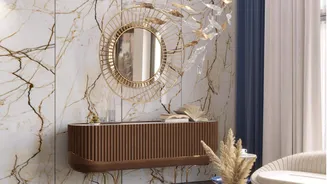
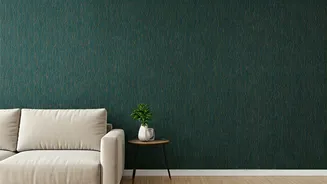
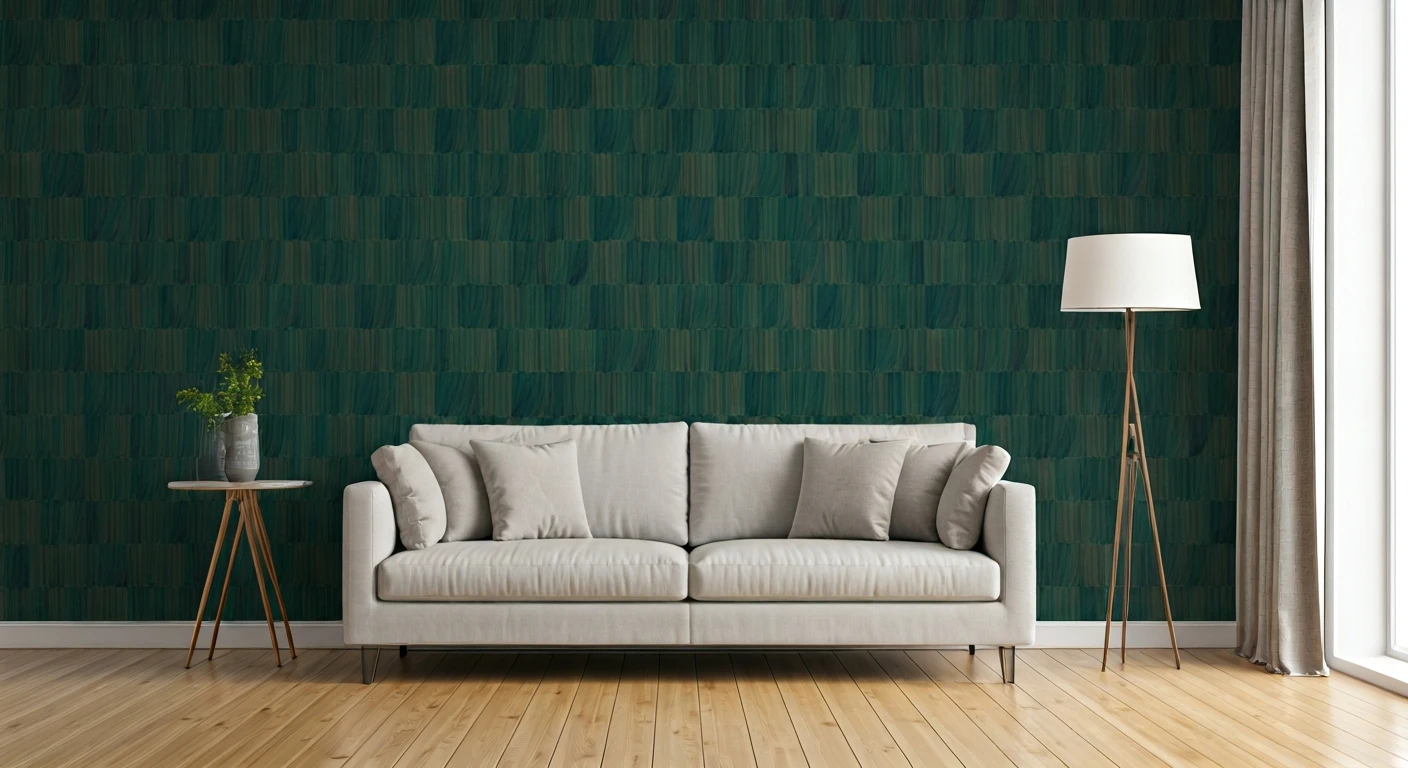
The most impactful way to introduce a pattern is on the walls. While painting an entire room in a busy print can be daunting, an accent wall is a perfect starting point. A single wall of bold wallpaper behind a sofa or bed can act as a piece of art, anchoring the room and providing a backdrop for the rest of your decor. And don't believe the old rule that you must use small patterns in small spaces. A large-scale pattern can actually trick the eye, making a room feel larger and more dynamic by creating depth and visual interest. Spaces you move through quickly, like a hallway or a powder room, are ideal candidates for a truly dramatic wallpaper, creating an element of surprise.
The Transformative Power of Textiles
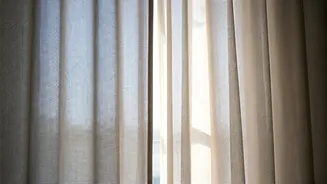
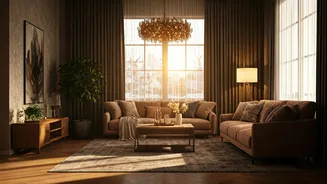
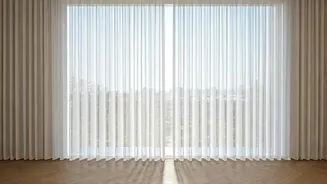
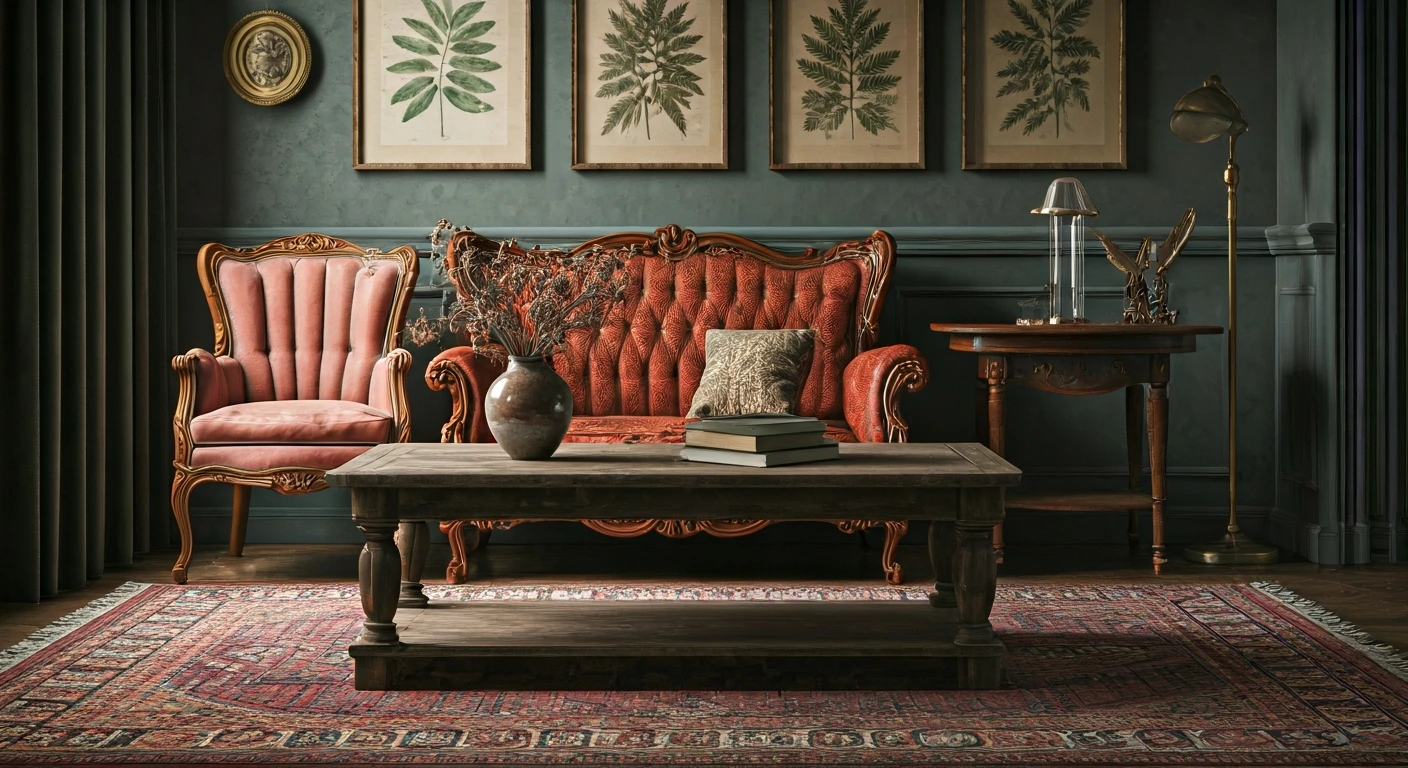
If wallpaper feels like too much of a commitment, textiles are your best friend. They are the easiest and most flexible way to layer patterns into a room. Think curtains, rugs, throw pillows, and blankets. A statement rug can define a space, like creating a distinct living area within an open-plan flat. From there, you can layer smaller patterns with throw pillows and blankets. The key is to choose textiles that share a common colour palette to ensure the look is cohesive rather than chaotic. Don't just think in terms of prints; texture itself can act as a pattern. A chunky knit throw, a velvet cushion, or a woven grasscloth wall covering can add just as much depth and interest as a printed fabric.
A Simple Guide to Mixing Patterns
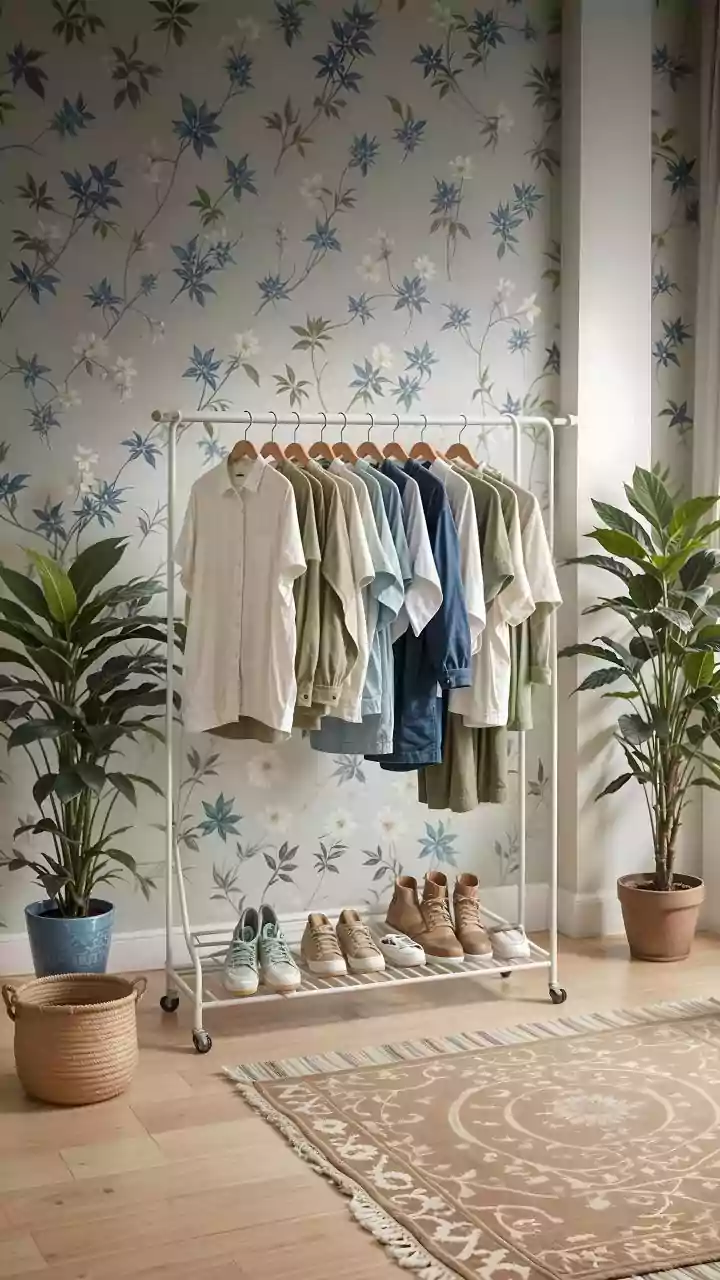
Mixing patterns is an art, but it has a few simple rules that make it easy to get right. First, vary the scale. The most common and effective method is to combine a large-scale pattern, a medium-scale pattern, and a small-scale pattern. Your largest pattern should be the 'hero' piece you love most, like a floral wallpaper or a geometric rug. The second pattern should be about half the scale of the first, perhaps a stripe or a smaller floral on your curtains. The third can be a subtle, small-scale design, like a polka dot or a textured solid on a cushion. Sticking to a consistent colour palette of two or three colours across all your patterns will create harmony and prevent the space from feeling too busy. Finally, give your patterns room to breathe by incorporating solid colours in your furniture or on other walls to give the eye a place to rest.
Think Beyond Cushions and Curtains
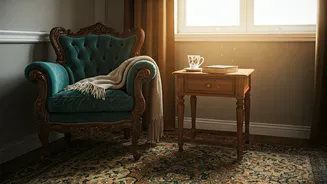
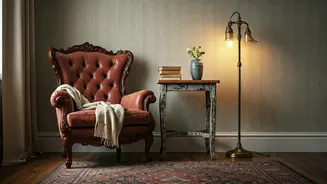
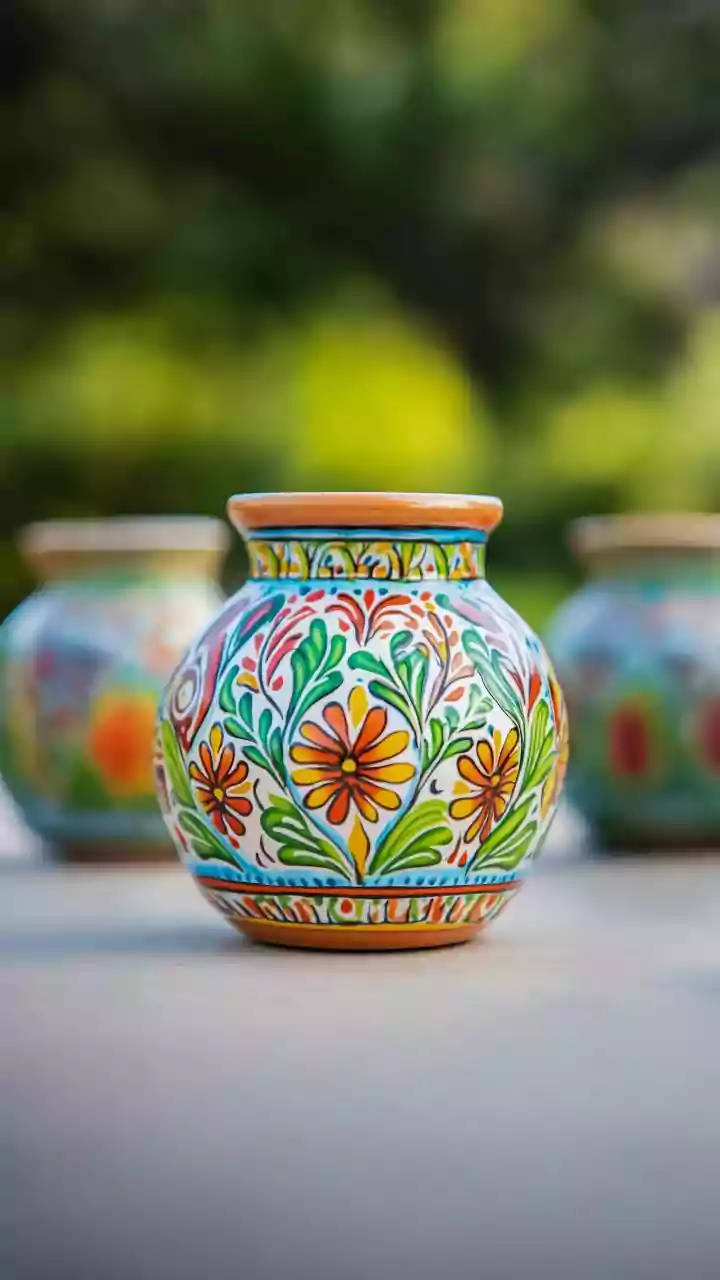
Once you're comfortable with the basics, look for unexpected places to add a splash of pattern. A tiled backsplash in a kitchen or bathroom can add a decorative flourish. Reupholstering a single accent chair in a bold, vibrant fabric can turn a simple piece of furniture into a focal point. Even small details like patterned lampshades, framed pieces of fabric, or the inside of a bookshelf can provide delightful, surprising moments of pattern that make a home feel truly special and considered.