
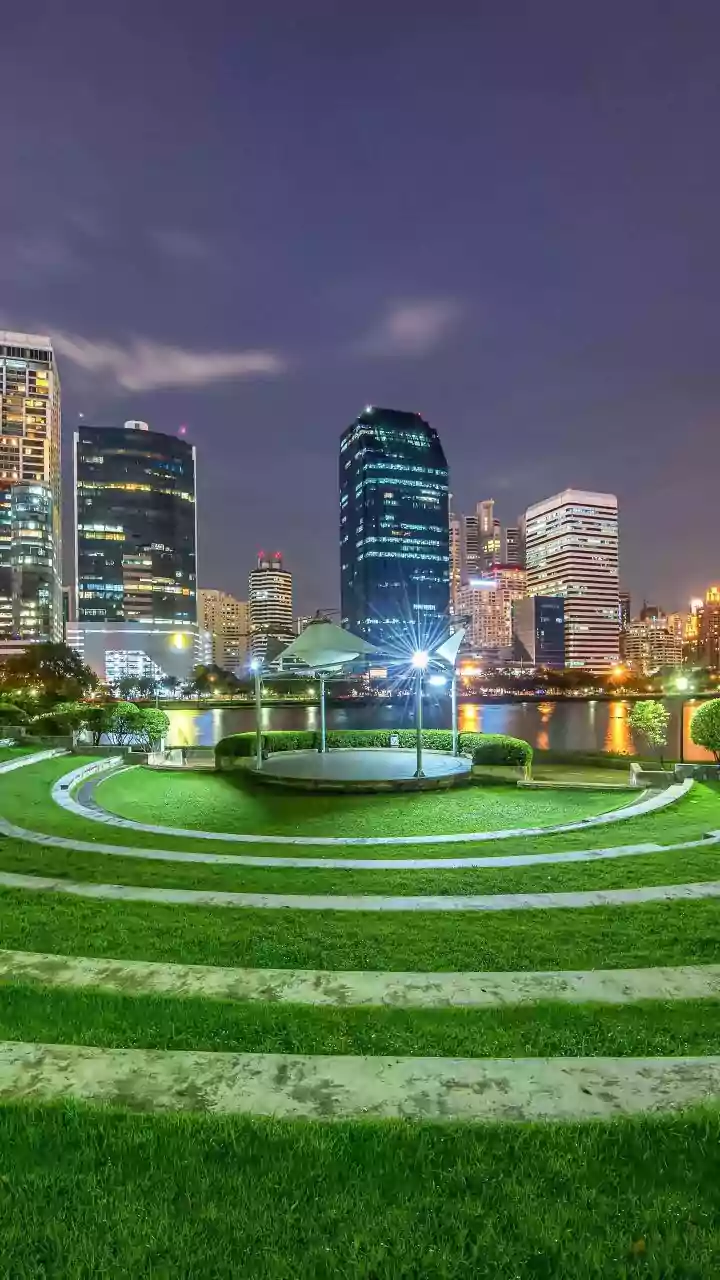

Beyond the confines of expensive gyms, a quiet revolution is taking place in the heart of India’s bustling metros. Neighbourhood parks, once reserved for gentle evening strolls, are transforming into dynamic fitness hubs for a new generation.
From Leisure Lawns to Fitness Arenas
For decades,
the neighbourhood park served a simple purpose: a patch of green for relaxation and children's play. Today, that model is being reimagined. Across cities like Delhi, Mumbai, and Bangalore, a visible shift is underway. As urban India becomes more health-conscious, there's a growing demand for accessible and affordable fitness solutions. This has spurred local governments and communities to rethink what a park can be. Instead of just manicured lawns and benches, these revamped spaces are becoming active lifestyle zones, catering to everyone from morning joggers to calisthenics enthusiasts. This evolution marks a significant change in urban planning, where public health is now a core component of green space design.
The Anatomy of a Modern Metro Park
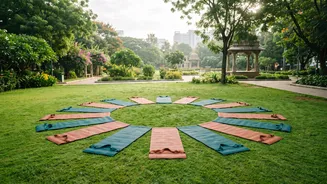
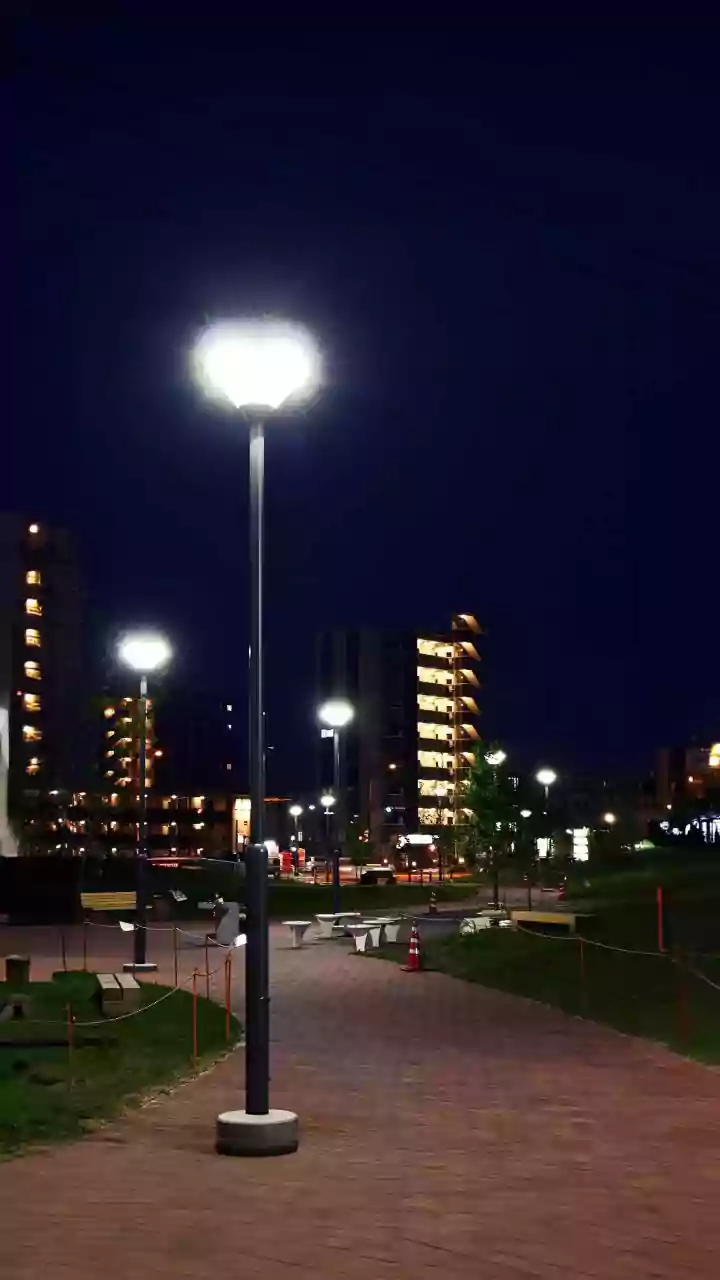
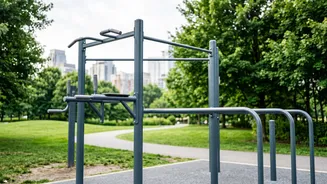
So, what does a 'revamped' park look like? The most prominent addition is the open-air gym. These all-weather fitness stations, featuring equipment like air walkers, leg presses, and hip twisters, are now a common sight. In Delhi, municipal bodies have installed these gyms in numerous parks, including prominent ones like Lodhi Garden and Nehru Park. Beyond static equipment, there's a focus on dedicated infrastructure. Well-lit jogging and cycling tracks are being laid to ensure safety during early morning or late evening workouts. In Navi Mumbai, parks like Veer Savarkar Udyan feature a comprehensive range of equipment, making a full-body workout possible for free. Furthermore, designated zones for yoga and group activities are being created, acknowledging the rise of community-led fitness movements.
Government Push and Community Pull
This green transformation is fuelled by both top-down initiatives and grassroots demand. National programmes like the Smart Cities Mission have catalysed action to reimagine public spaces, encouraging urban renewal projects that prioritise pedestrian-friendly infrastructure. In Delhi, the 'Mukhyamantri Park Saundaryakaran Yojna' aims to redevelop thousands of parks in collaboration with Resident Welfare Associations (RWAs), equipping them with modern facilities. Similarly, the national Nagar Van Yojana, launched in 2020, seeks to create 'city forests' and green parks, recognizing them as essential urban infrastructure rather than just decorative add-ons. This official support is matched by a strong community pull. As more people embrace running, yoga, and other outdoor activities, the demand for better public facilities has grown louder, prompting municipal bodies to invest in these upgrades.
More Than Just Physical Fitness
The benefits of these revamped parks extend far beyond physical health. They serve as crucial 'third places' outside of home and work, fostering social connection and community building. Group activities, from running clubs to morning yoga sessions, create a sense of belonging and shared purpose. Studies consistently show that spending time in green spaces reduces stress, lowers cortisol levels, and improves overall mental well_being. By providing free access to fitness facilities, these parks also democratise wellness, removing the financial barrier of expensive gym memberships. This makes a healthy lifestyle accessible to a much broader section of the urban population, contributing to a more equitable and resilient community.