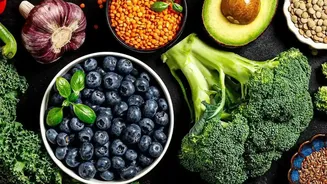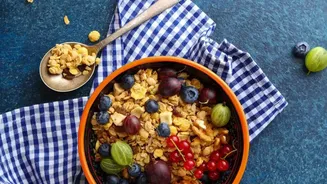








Starting the day with the right breakfast is crucial for managing diabetes. The key is a meal that controls blood sugar and keeps you full until lunch. Adding seeds rich in healthy fats can be a simple, powerful strategy to achieve just that.
Why Healthy Fats and Fibre Matter
For individuals
managing diabetes, a breakfast that prevents sharp blood sugar spikes is essential. Healthy fats, along with protein and fibre, play a vital role by slowing down digestion. This gradual process leads to a slower absorption of carbohydrates, which helps in maintaining more stable blood glucose levels. Fats themselves do not break down into glucose, so they don't cause a direct rise in blood sugar. Furthermore, this combination promotes satiety, the feeling of fullness, which helps in managing weight by reducing the urge to snack between meals—an important aspect of diabetes control. Unsaturated fats, including monounsaturated and polyunsaturated fats found in seeds, are particularly beneficial for heart health, which is a key consideration as diabetes increases cardiovascular risk.
1. Chia Seeds
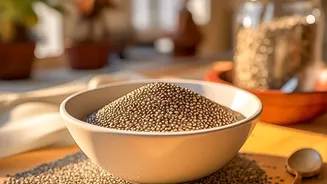
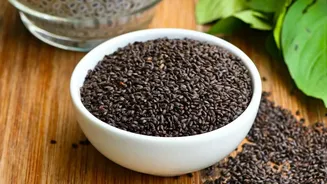
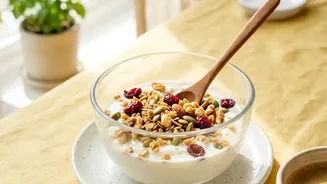
These tiny black or white seeds are nutritional powerhouses for a diabetic diet. They are exceptionally rich in soluble fibre and omega-3 fatty acids. When soaked in liquid, chia seeds form a gel-like substance, a quality that physically contributes to a feeling of fullness and slows digestion. This process helps prevent rapid spikes in blood sugar after a meal. Studies have shown that consuming chia seeds can improve insulin sensitivity and lower post-meal blood sugar levels. Their low glycemic index means they have a minimal impact on blood glucose. A typical serving of two tablespoons provides a significant amount of fibre. You can easily add them to overnight oats, smoothies, or yogurt for a satisfying and stable start to the day.
2. Flax Seeds (Alsi)
Flax seeds are celebrated for their high content of alpha-linolenic acid (ALA), a plant-based omega-3 fatty acid, as well as fibre and compounds called lignans. The combination of these nutrients helps improve insulin sensitivity and supports blood sugar control. The high fibre content, particularly soluble fibre, slows down the absorption of sugar and carbohydrates, which is key to preventing glucose spikes. For better nutrient absorption, it's best to consume flax seeds in their ground form. Sprinkling ground flaxseed over oatmeal, blending it into smoothies, or even mixing it into dosa or chapati batter are all simple ways to incorporate this seed into your morning routine.
3. Pumpkin Seeds (Pepitas)
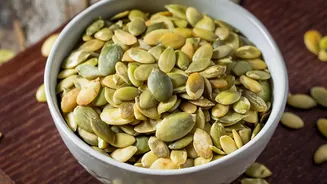
Pumpkin seeds are a fantastic choice for a diabetes-friendly diet, boasting a very low glycemic index. They are packed with healthy fats, protein, and fibre, a trio that promotes stable energy without glucose spikes. These seeds are also an excellent source of magnesium, a mineral crucial for insulin function and glucose metabolism. Research suggests that eating pumpkin seeds can help lower blood sugar levels after a meal. One study noted a significant reduction in post_meal glucose when participants consumed them with a high_carb meal. Their satisfying crunch makes them a great topping for yogurt, poha, or upma, or simply enjoy a small handful as a snack.
4. Sunflower Seeds
With a low glycemic index, sunflower seeds have a minimal impact on blood sugar levels and can be a valuable part of a diabetic diet. They are rich in healthy unsaturated fats, protein, fibre, and vitamin E, an antioxidant that helps combat inflammation. The combination of fat, protein, and fibre slows down digestion, helping you feel full and maintain stable glucose levels. Studies suggest that daily consumption of sunflower seeds may help reduce fasting blood sugar over time. They are also a good source of magnesium, which supports blood pressure and blood sugar control. Sprinkle unsalted sunflower seeds over salads, yogurt, or whole_grain toast for a nutritious crunch.
5. Sesame Seeds (Til)
Common in Indian cuisine, sesame seeds are another excellent option for managing blood sugar. They are a good source of healthy fats, protein, fibre, and essential minerals like magnesium. These nutrients work together to support blood sugar control. Some research indicates that compounds in sesame, such as sesamin, may contribute to improved glycemic control. Due to their combination of protein and healthy fats, they can help regulate blood sugar levels. Toasted sesame seeds can add a nutty flavour to avocado toast, be blended into chutneys, or sprinkled over breakfast dishes as a simple garnish.