



Shifting the Fitness Focus
When you think of a heart-healthy workout, what comes to mind? For most people, it’s logging kilometres on a treadmill, cycling, or swimming laps. Traditional wisdom has long positioned aerobic exercise as the gold standard for cardiovascular fitness,
and for good reason. It improves circulation, lowers blood pressure, and makes the heart a more efficient pump. But the fitness world is evolving, and so is our understanding of what it takes to build a truly resilient heart. While cardio remains essential, experts are increasingly highlighting the powerful, and perhaps underestimated, benefits of strength training. The best part? You may not need to spend hours in the gym to reap the rewards. Research indicates that short, consistent strength sessions can have a significant impact on your heart health.
How Strength Training Helps Your Heart
Strength training’s benefits go far beyond building bigger biceps. Resistance exercises trigger a cascade of positive changes that directly and indirectly support your cardiovascular system. For one, building more lean muscle mass boosts your metabolism. This means your body burns more calories even at rest, making it easier to maintain a healthy weight and reduce excess body fat—a key factor in reducing strain on the heart. Furthermore, strength training can improve how your body handles blood sugar and enhance insulin sensitivity. This is crucial because poor blood sugar control is a major risk factor for heart disease. By helping your muscles use glucose more efficiently, you're protecting your heart in the long run. Other proven benefits include lowering resting blood pressure, reducing chronic inflammation, and improving cholesterol profiles by raising 'good' HDL cholesterol and lowering 'bad' LDL cholesterol.
The Power of 'Snackable' Strength
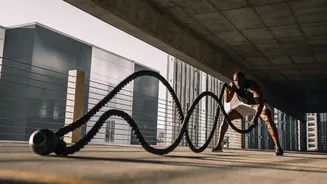
The idea that you need to dedicate an hour or more to exercise is a common barrier for many. This is where the concept of short workouts, or "exercise snacks," becomes a game-changer. These are brief bouts of intense activity, sometimes lasting only a few minutes, spread throughout the day. Studies have found that these short bursts can be surprisingly effective. High-intensity resistance training (HIRT), which involves performing strength exercises at an all-out effort with short rest periods, can build both muscle and cardiovascular fitness simultaneously. The intensity is key. Pushing your muscles to their limit, even in a single set, can stimulate growth and metabolic improvements. Research has shown that even 15-20 minute sessions, performed a few times a week, can lead to significant gains in muscle mass and insulin sensitivity. Some studies suggest that as little as one hour of strength training per week can cut the risk of heart attack or stroke dramatically.
Getting Started: Short and Smart
Incorporating short strength workouts into your routine is more accessible than you might think. The focus should be on compound movements that work multiple muscle groups at once, giving you the most bang for your buck. Think squats, push-ups, lunges, and rows. You don’t even necessarily need a gym. Bodyweight exercises can be incredibly effective, and resistance bands offer a versatile, low-cost option for adding a challenge. The American Heart Association recommends muscle-strengthening activities at least two days per week. A simple approach could be two to three 20-minute sessions on non-consecutive days. In these sessions, you could perform a circuit of 4-5 exercises, aiming for about 12-15 repetitions per exercise, with minimal rest in between. The goal is to elevate your heart rate and feel your muscles working. Remember, the key is consistency and intensity. A short, challenging workout is far more beneficial than a long, half-hearted one.