


The Daily Grind Gets a Rethink
For decades, the quick shot of espresso has been a non-negotiable ritual for professionals facing tight deadlines and long hours. It’s seen as the fastest way to jolt the brain into action. This intense burst of energy comes from a rapid spike in caffeine,
which blocks adenosine, the neurotransmitter that signals sleepiness. The result is immediate alertness. However, this quick fix often comes with a steep price: the dreaded caffeine crash. A few hours after that initial high, many experience a sudden drop in energy, leading to fatigue, irritability, and an inability to concentrate. For some, the experience also includes jitters, a racing heart, and a general sense of anxiety, which can hinder the very focus they were seeking. In high-stakes environments where sustained mental clarity is paramount, this rollercoaster of energy is becoming a liability.
Enter Matcha: The Calm Contender
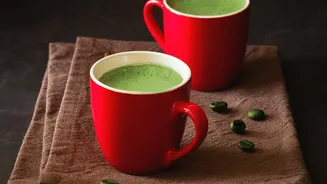
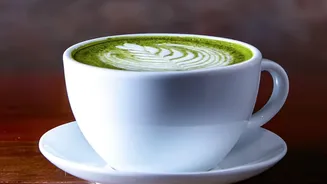
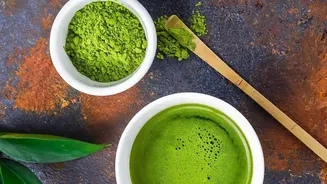
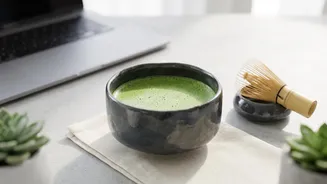
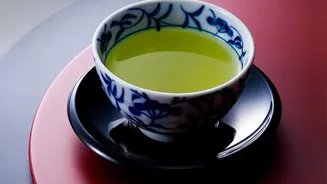
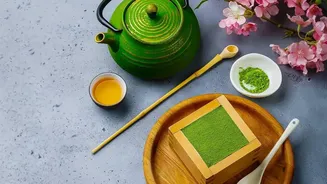
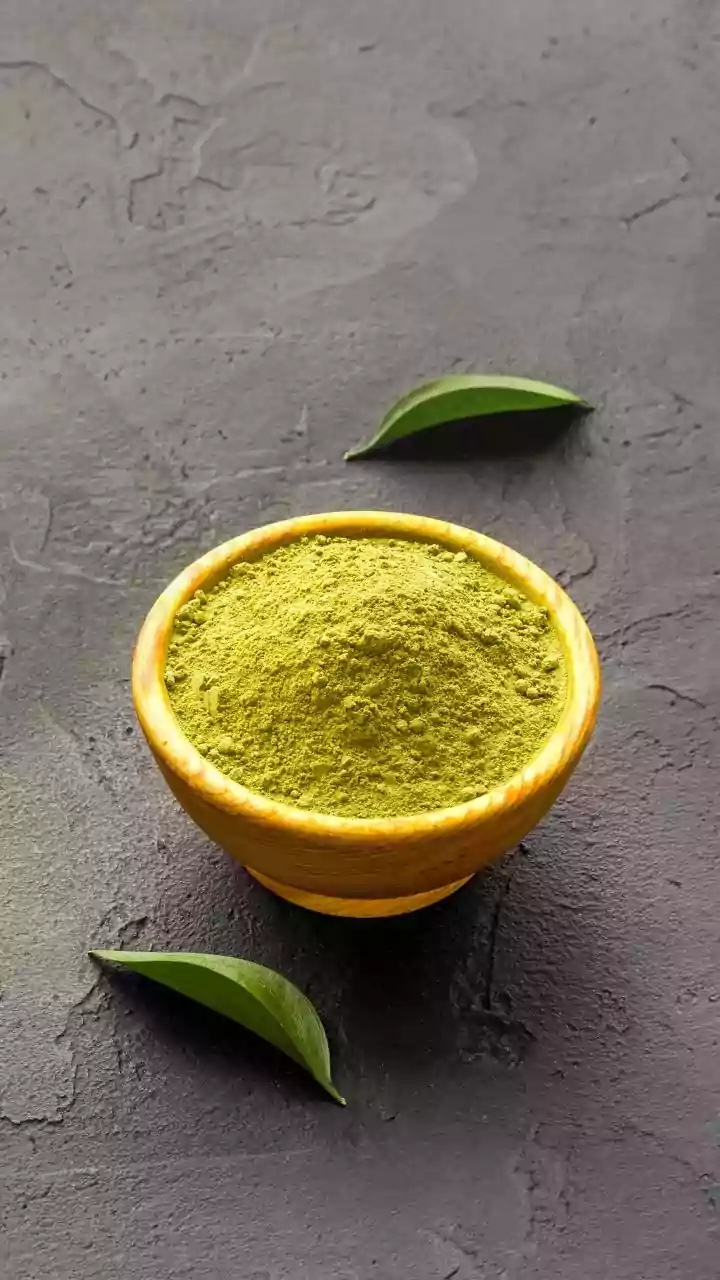
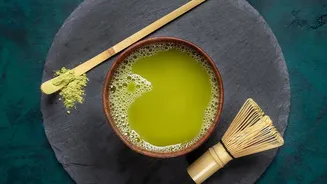
Emerging as a powerful alternative is matcha, a finely ground powder of specially grown and processed green tea leaves. Unlike traditional green tea where leaves are steeped and discarded, with matcha, you consume the entire leaf. This practice, rooted in centuries-old Japanese tea ceremonies, delivers a more concentrated dose of the leaf's nutrients. While it's become a trendy fixture in cafes, its appeal in professional circles is less about aesthetics and more about its unique effect on the brain. Professionals from software developers to entrepreneurs are reporting that matcha provides a different kind of energy—one that feels focused and alert, yet simultaneously calm. This has made it particularly popular in tech and creative industries, where deep concentration and innovative thinking are essential for success.
The Science of a Smarter Sip
The secret to matcha's smooth energy lies in its unique biochemical makeup. While it does contain caffeine—often comparable to a single shot of espresso—it is also rich in an amino acid called L-theanine. L-theanine works in synergy with caffeine, modulating its effects on the body. Instead of the abrupt jolt from coffee, L-theanine promotes the production of alpha brain waves, which are associated with a state of relaxed alertness. This amino acid slows the body's absorption of caffeine, resulting in a gradual, sustained release of energy that can last for hours without the subsequent crash. Studies have shown that the combination of L-theanine and caffeine can improve cognitive performance, attention, and reaction time more effectively than caffeine alone, all while reducing the feelings of anxiety and jitters.
Productivity vs. Performance
The choice between espresso and matcha often comes down to the user's goal. Espresso is excellent for a rapid, powerful boost, ideal for overcoming morning grogginess or powering through a short, intense task. It’s a tool for immediate performance. Matcha, on the other hand, is increasingly seen as a tool for sustained productivity. Its ability to provide calm, focused energy makes it better suited for long periods of deep work, creative brainstorming, and problem-solving. Many users describe the feeling as being 'in the zone'—a state of flow where they are alert and engaged without feeling overstimulated. This avoids the mental exhaustion that can follow the coffee-fueled cycle of spike and crash, contributing to more consistent output throughout the day.
More Than a Drink, It's a Ritual
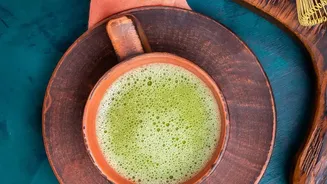
Beyond the chemical effects, the culture surrounding each beverage also plays a role. The espresso break is often a quick, transactional moment—a shot downed in a hurry to get back to work. In contrast, the traditional preparation of matcha involves a mindful ritual: sifting the powder, adding hot water, and whisking it into a frothy beverage. While not everyone follows the ceremonial process for their daily cup, the act of preparing matcha tends to be slower and more deliberate. This mindful moment can serve as a mental reset, helping to reduce stress and prepare the mind for focused work. As wellness becomes a greater priority in the workplace, this ritualistic aspect adds to matcha's appeal for those looking to build more intentional habits into their demanding schedules.