

Your Phone is Now a Planetarium
Not long ago, becoming a hobbyist astronomer required star charts, a decent telescope, and a lot of patience. Now, the barrier to entry is virtually gone. A new generation of astronomy applications has put a personal planetarium in your pocket, revolutionizing
how we interact with the cosmos. These apps use your phone's built-in sensors—like its GPS, gyroscope, and compass—to create a real-time, accurate map of the sky directly above you. When you point your phone towards a bright object, the app knows exactly where you are and what you're looking at, instantly identifying the star, planet, or constellation. This simple act turns a moment of wonder into a moment of knowledge, making astronomy more accessible than it has ever been.
Augmented Reality Brings the Stars Closer
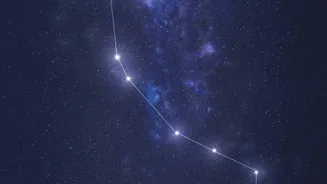
The real magic behind many of these apps is augmented reality, or AR. This technology overlays digital information—like constellation lines, names, and mythology—directly onto your phone's camera feed of the night sky. Instead of just seeing a dot, you see the star's name, its constellation drawn out, and maybe even a 3D model of a nearby planet. Apps like SkyView and Star Walk 2 excel at this, allowing you to seamlessly blend the real view with a layer of rich, interactive data. Many also include a 'time travel' feature, letting you scroll forward or backward to see how the sky will look on a future date or how it looked in the past, which is perfect for planning when to spot a specific planet or meteor shower.
Apps for Every Level of Stargazer
The beauty of the app ecosystem is its diversity, catering to everyone from first-time observers to serious amateurs. For beginners, apps like SkyView Lite or the free version of Star Walk offer a user-friendly way to get started. They focus on the basics: identifying major stars, planets, and constellations with a simple, intuitive interface. For those who want to go deeper, Stellarium Mobile provides a vast database of celestial objects, showing stars and galaxies far fainter than what the naked eye can see. For the dedicated hobbyist, SkySafari 7 Pro is often considered a must-have, with a massive database and features that can even control a connected telescope, guiding it to points of interest in the night sky.
Beyond Viewing: Tracking and Citizen Science
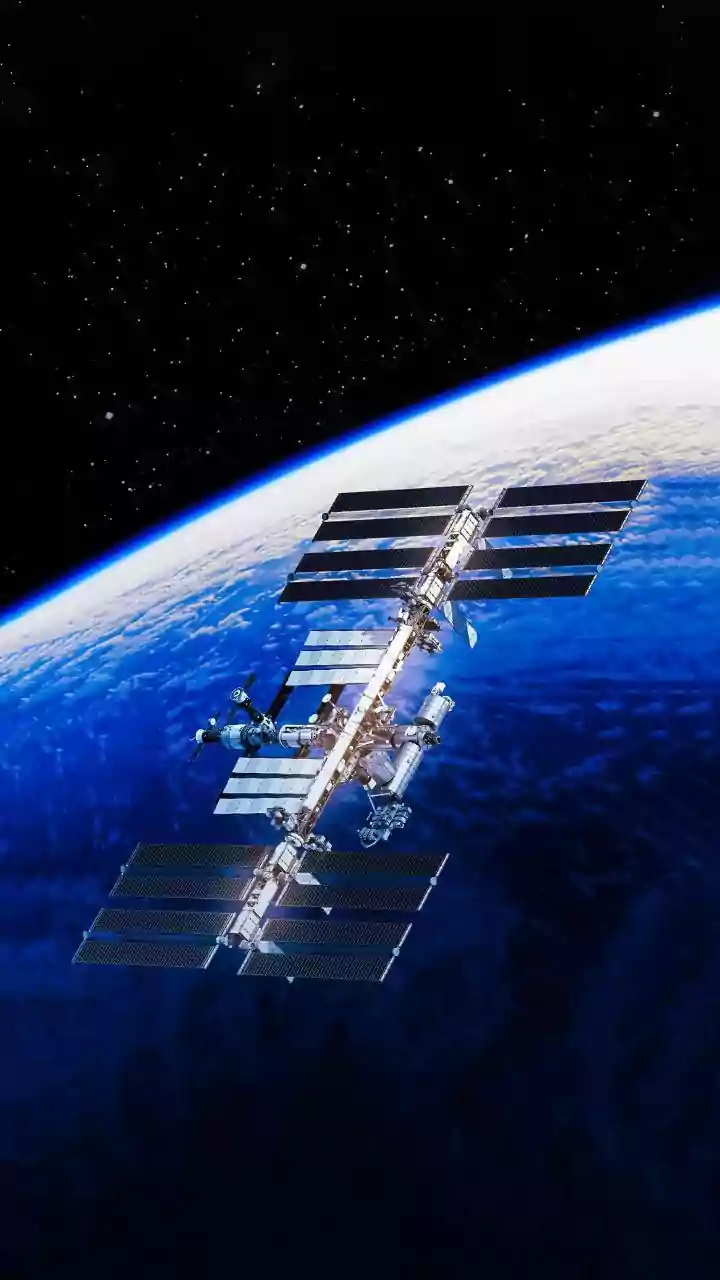
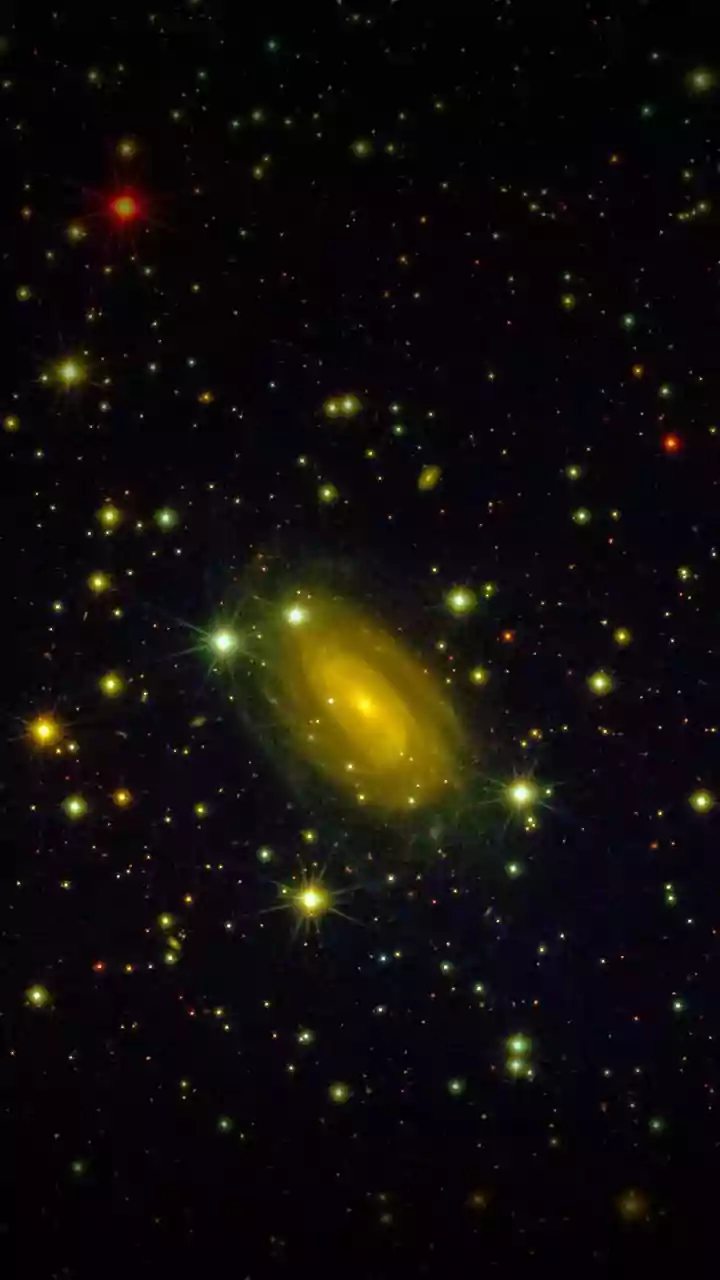
Modern astronomy apps do more than just identify stars. Many have built-in calendars for celestial events, sending you notifications for upcoming meteor showers, eclipses, or visible passes of the International Space Station (ISS). This turns stargazing into an ongoing hobby, prompting you to look up at just the right moment. Furthermore, some apps are creating a new wave of 'citizen scientists'. For instance, NASA's Meteor Counter app allows users to document observed meteors during a shower, contributing data directly to researchers. Others, like Galaxy Zoo, let users help classify galaxies, turning a few minutes of downtime into a genuine contribution to our understanding of the universe. This transforms a personal learning experience into a collaborative scientific endeavor, making the user a part of the science itself.