







The Smartphone as a Super-Tool
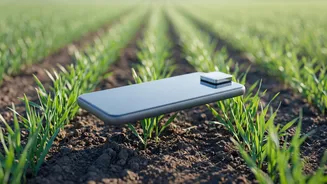
Across India's agricultural heartlands, a quiet revolution is taking place. Farmers are turning their everyday smartphones into powerful diagnostic tools. This is not science fiction, but a practical application of accessible technology. Using a phone's
built-in high-resolution camera, farmers can capture images of crops showing signs of distress. These images become the key input for sophisticated AI applications that can identify problems with surprising accuracy. It's a system built for the real world of Indian farming—fragmented plots, low bandwidth, and the need for immediate, actionable advice.
How AI Delivers the Diagnosis
The magic happens when Artificial Intelligence analyses these images. AI models, trained on vast databases of plant diseases, pest infestations, and nutrient deficiencies, can diagnose a problem in seconds. For example, a farmer can upload a photo of a diseased plant, and an AI-powered app will identify the issue, from fall armyworm to a specific fungal infection, and suggest a remedy. This synergy of human knowledge and AI allows farmers to make more informed decisions based on complex data than would be possible for a person alone. These systems continuously learn, adjusting their recommendations to provide more timely and effective agronomic advice to optimize crop production.
Real-World Impact in Maharashtra
In Maharashtra, these tools are already proving their worth. A project in Baramati, developed by the Agricultural Development Trust (ADT) in collaboration with global tech partners, has been dubbed 'Tiny AI' because it's lightweight enough to run on basic smartphones, even via SMS. Farmers receive alerts in Marathi, such as “Sugarcane leaves yellowing. Reduce urea by 15 per cent, delay irrigation by 2 days.” The state's MahaVISTAAR AI chatbot allows farmers to ask questions via text or voice in their local dialect and receive tailored answers. Another app, MAHAVISTAAR, offers AI-powered pest identification and control tips. These tools have led to remarkable results, with some pilot projects seeing significant drops in water and fertilizer use while improving soil health.
Punjab's Push for Precision
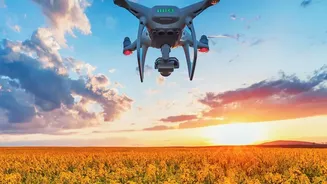
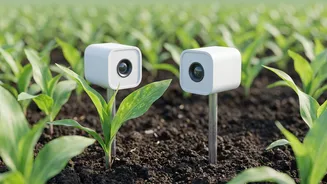
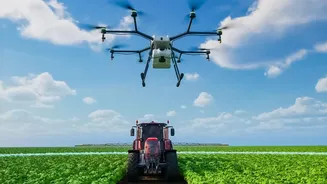
Punjab, the country's granary, faces immense pressure on its natural resources like soil and groundwater. Here, AI is helping shift farming from guesswork to precision. Startups like AgNext Technologies, based in Mohali, use AI for high-speed food quality analysis. In the broader agricultural ecosystem, AI-driven nutrient management systems monitor soil health to reduce dependency on chemical fertilizers. By combining data from IoT soil sensors with weather forecasts, these models can recommend exactly when and where to apply inputs, preventing waste and lowering costs for farmers. AI and drones are also being used to monitor cotton crops and manage pest outbreaks with early, targeted interventions.
Beyond Pest Control: A Full Farming Toolkit
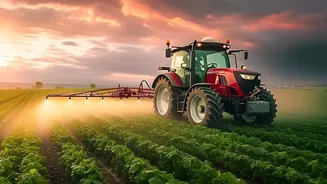
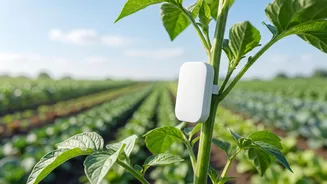
The utility of these smartphone-powered systems extends far beyond identifying pests. They are becoming a comprehensive toolkit for modern agriculture. AI models analyze data from satellites and local weather stations to provide hyper-local weather forecasts, helping farmers plan irrigation and harvests. IoT sensors placed in fields can feed real-time data on soil moisture and nutrient levels directly to a farmer's app. This allows for precision irrigation—using just enough water—and optimized fertilizer application, which not only saves money but also promotes sustainability. The result is a system that reduces input costs, improves yields, and ultimately boosts a farmer's profitability.