






The Indoor Air Quality Paradox
While we close our windows to keep the rain out, we inadvertently trap a host of indoor pollutants. The defining characteristic of monsoon air is its high humidity. When indoor humidity levels rise above 60-70%, the air becomes a perfect breeding ground
for biological contaminants. This moisture-laden air is less effective at circulating, meaning pollutants aren't easily dispersed. Everyday activities like cooking, cleaning, and even the materials our furniture is made from can release particles and gases that accumulate in this stagnant, humid environment, creating an unhealthy indoor atmosphere.
Humidity's Hidden Dangers
Excessive humidity is more than just a comfort issue; it's a health concern. High moisture levels create the ideal conditions for mould and mildew to flourish on walls, in closets, and behind furniture. These fungi release spores into the air that can trigger allergies, asthma, and other respiratory problems. Dust mites, microscopic creatures that are a common cause of allergies, also thrive and multiply rapidly in humid environments. This combination of mould spores and increased dust mite allergens can significantly worsen indoor air quality, leading to symptoms like stuffy noses, coughing, skin irritation, and headaches.
The Ventilation Dilemma: A Strategic Approach
The core challenge during the monsoon is balancing the need for fresh air with the need to keep excessive moisture out. Simply flinging windows open at the wrong time can invite more humidity inside, making the problem worse. The key is strategic ventilation. Aim to ventilate your home for short periods when the outdoor air is relatively drier. This might be in the early morning or during a break in the rain when the air feels cooler and less saturated. Even 15-20 minutes of cross-ventilation—opening windows on opposite sides of the house—can be effective at flushing out stale, polluted indoor air and replacing it with fresher air without dramatically increasing indoor humidity.
Know When to Keep Windows Closed
Just as important as knowing when to ventilate is knowing when to seal your home. Keep windows and doors firmly shut when it is actively raining or during the most humid parts of the day. This prevents moisture from entering and settling into your walls, furniture, and fabrics. Sealing the home also prevents outdoor pollutants from entering. In urban areas, rainwater can carry airborne pollutants down with it, and opening windows can let these in. During heavy downpours, a tightly sealed home is your first line of defence against both dampness and external pollution.
Leveraging Technology for Cleaner Air
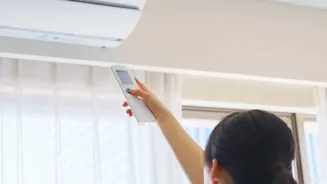
Modern appliances can be powerful allies. Use exhaust fans in kitchens and bathrooms during and after cooking or showering to expel moisture-heavy air directly outside. Air conditioners set to 'dry' or 'dehumidify' mode can effectively lower indoor humidity without over-cooling the room. For homes in particularly damp climates, a dedicated dehumidifier is an excellent investment. It works by pulling excess moisture directly from the air, helping to maintain an optimal humidity level between 40% and 50%, which discourages mould and dust mite growth. Pairing a dehumidifier with an air purifier equipped with a HEPA filter can provide a comprehensive solution, with the dehumidifier controlling moisture and the purifier trapping mould spores, dust, and other fine particles.