


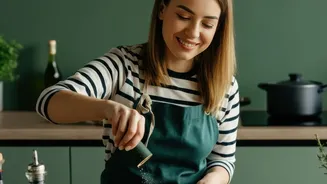

1. Invest in Better Cookware
One of the easiest yet most effective changes is upgrading your pan. Food sticks to traditional steel or thin aluminium utensils, forcing you to use more oil to create a protective layer. A high-quality non-stick or well-seasoned cast iron pan changes the game
entirely. These surfaces require significantly less oil—sometimes just a single teaspoon—to sauté onions or make a tadka. For dishes like dosas, cheelas, or paneer tikka, a good non-stick surface allows you to achieve a perfect golden-brown finish with minimal grease, making your breakfasts and snacks instantly healthier without any change to the recipe itself.
2. Master the Art of Water Sautéing
The foundation of most Indian curries starts with frying onions, ginger, garlic, and spices in oil. But what if you could achieve that same caramelised, flavourful base without pouring oil into the pan? Enter water sautéing. The technique is simple: instead of oil, add a few tablespoons of water or vegetable stock to your hot pan along with your onions. As the water evaporates, the onions soften and brown. If things start to stick, just add another small splash of water to deglaze the pan. This method builds a deep flavour base that is virtually indistinguishable from an oil-sautéed one, proving that oil is often just a medium, not the source of taste.
3. Bake, Roast, or Air-Fry Instead
Many of our most beloved snacks, from samosas to pakoras, are traditionally deep-fried. These can be transformed into healthier treats by simply changing the cooking method. An oven or an air fryer can give you that satisfying crunch with a fraction of the oil. For baked samosas, a light brush of oil on the pastry is enough to get a flaky, golden crust. Vegetables like bhindi, baingan, and potatoes can be roasted with spices until tender and slightly crisp before being added to curries. Modern air fryers are particularly effective, circulating hot air to make everything from kebabs to cutlets crispy with up to 80% less oil.
4. Use Smart Thickeners for Gravies
A common belief is that a rich, thick gravy requires a generous amount of oil or cream. However, many healthy ingredients can provide that same luxurious texture. Instead of relying solely on oil to create a base, consider using pureed vegetables like boiled onion, tomato, or even lauki (bottle gourd). Low-fat yogurt or curd can add both creaminess and a pleasant tang to dishes like kadhi or chicken curries. For a rich, restaurant-style finish in kormas or paneer dishes, a paste made from a small handful of soaked cashews or almonds works wonders, adding healthy fats and a velvety smoothness.
5. Measure Your Oil, Don't Pour It
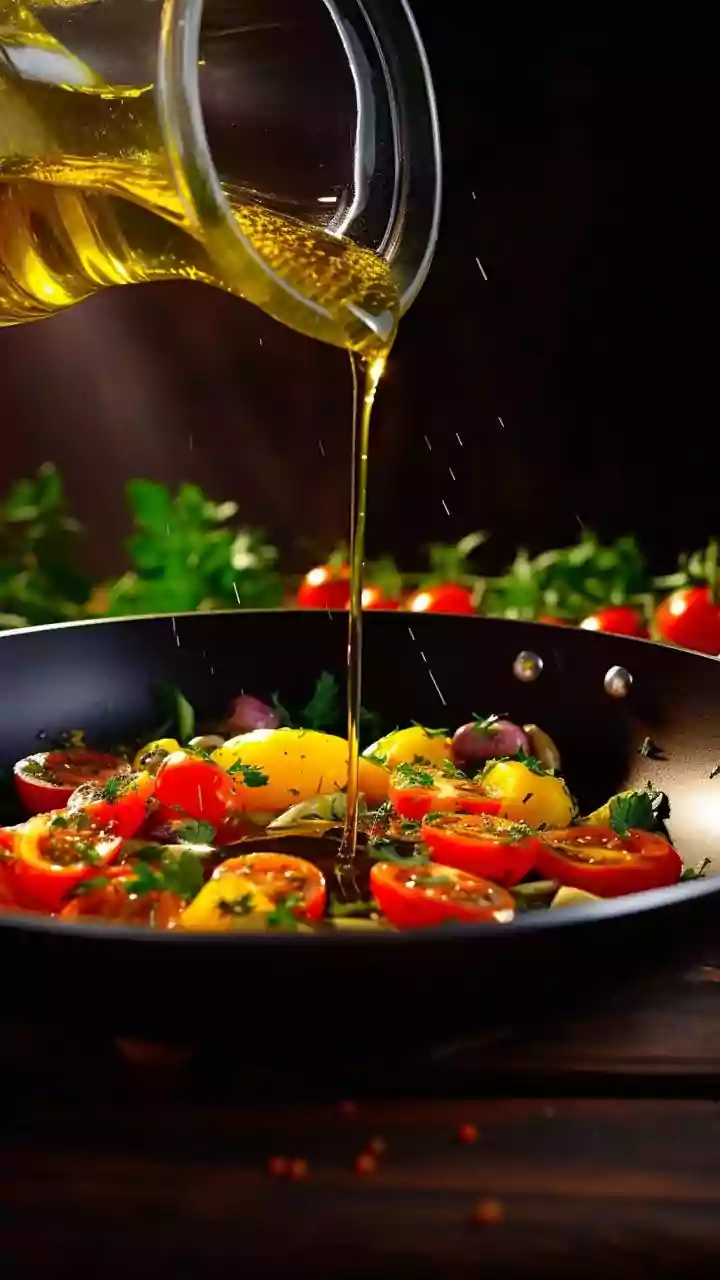
This final tip is less a cooking technique and more a powerful habit. Most home cooks pour oil directly from the bottle into the pan, making it nearly impossible to control the amount. Start measuring your oil with a teaspoon or tablespoon. You will likely be surprised by how little you actually need for most daily dishes, especially when combined with good cookware. An oil spray bottle is another great tool; a light mist can evenly coat a pan using a very small quantity of oil. This simple act of measuring brings mindfulness to your cooking and provides a clear, consistent way to reduce your daily oil consumption without any complex changes.