




As festive season approaches, the modern Indian man faces a style dilemma: how to honour tradition while embracing a contemporary edge? A powerful answer lies in a sharp, confident combination: the festive kurta, the tailored blazer, and the clean undercut.
A Cut Above Tradition
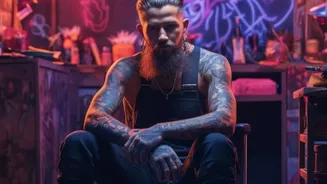
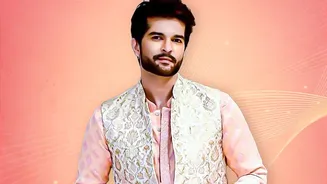
The fusion of Indian and Western wear is no longer a novelty; it is the new standard for stylish men. The 'Indo-Western' aesthetic is about creating a look that feels both rooted and modern. This is where the undercut hairstyle makes its mark. Historically a military cut, the undercut—defined by its short faded or shaved sides and longer top—has become a mainstream symbol of sharp, clean grooming. When paired with the soft, flowing silhouette of a kurta, the undercut provides a striking contrast that feels intentional and confident. It frames the face, adds structure, and signals a departure from purely traditional styling, allowing your personal style to shine through.
The Foundation of the Look
Not all undercuts are created equal. The key is to choose a style that complements your face shape and hair texture. A disconnected undercut, with a dramatic break between the long top and short sides, offers a bold, fashion-forward statement. A taper fade, however, provides a more gradual, blended transition that is versatile enough for both formal ceremonies and casual gatherings. For those with wavy or curly hair, an undercut can help manage volume and define your natural texture. Regardless of the style you choose, regular maintenance is crucial. Plan for trims every four to six weeks to keep the sides looking sharp and clean.
Choosing the Right Kurta
With a sharp haircut as your base, the choice of kurta becomes central. For a festive look, consider fabrics like silk, tussar, or jacquard in rich jewel tones like royal blue, maroon, or deep green. While intricate embroidery has its place, modern trends are leaning towards cleaner silhouettes where the fit and fabric take precedence over heavy embellishment. A straight-cut kurta that ends around the hip is ideal for layering under a blazer, ensuring the proportions remain balanced. The kurta's hem should sit comfortably above the hem of the blazer to avoid a visually cluttered look. A simple, solid-coloured kurta often works best, allowing the blazer to serve as the statement piece.
Adding the Layer of Sharpness
Layering a blazer over a kurta is a hallmark of sophisticated Indo-Western attire. Success lies in getting the proportions and fabrics right. Opt for a blazer with a structured but soft shoulder; a heavily padded jacket can clash with the fluid drape of the kurta. The fabric of the blazer should complement the kurta—a textured jacket made of a linen blend, hopsack, or velvet creates a deliberate and harmonious pairing, unlike a smooth business suit blazer which can look out of place. The fit should be tailored and slim, creating a defined silhouette. A single-button blazer often provides the cleanest look, drawing the eye inward and maintaining a polished frame.
Finishing the Ensemble
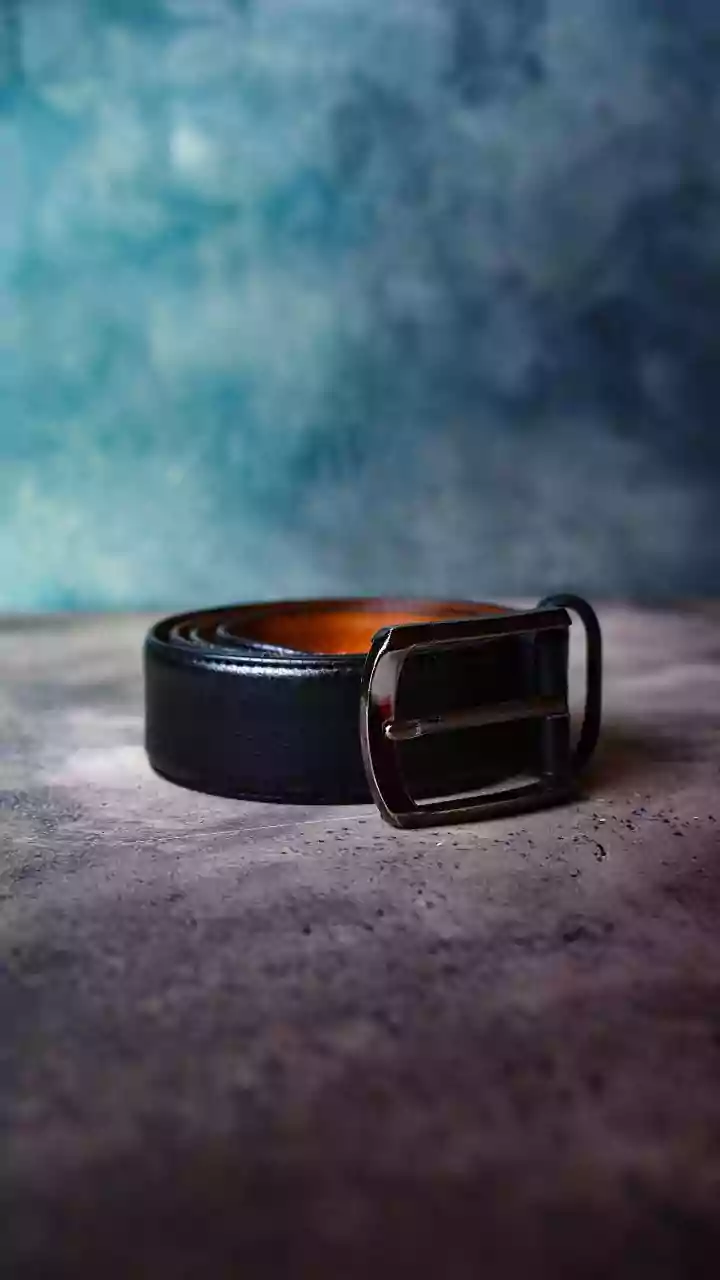
Accessories are the final touch that ties the entire look together. Given the layered nature of the outfit, it is best to keep them minimal and refined. For footwear, leather loafers or traditional juttis are excellent choices that bridge the gap between ethnic and formal wear. A classic watch and a neatly folded pocket square in the blazer are often all you need. Avoid overly busy patterns or accessories that compete for attention. The goal is a look that is cohesive and confident. The combination of the clean undercut, the traditional kurta, and the sharp blazer already makes a strong statement, and the right accessories should only serve to enhance it.