


Meghalaya: The Abode of Clouds
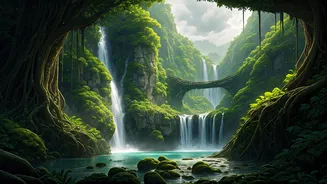
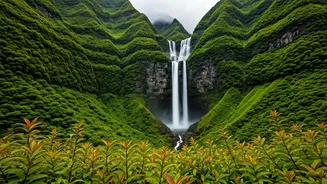
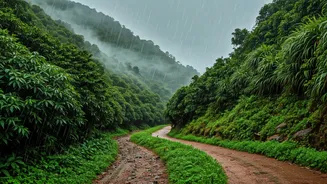
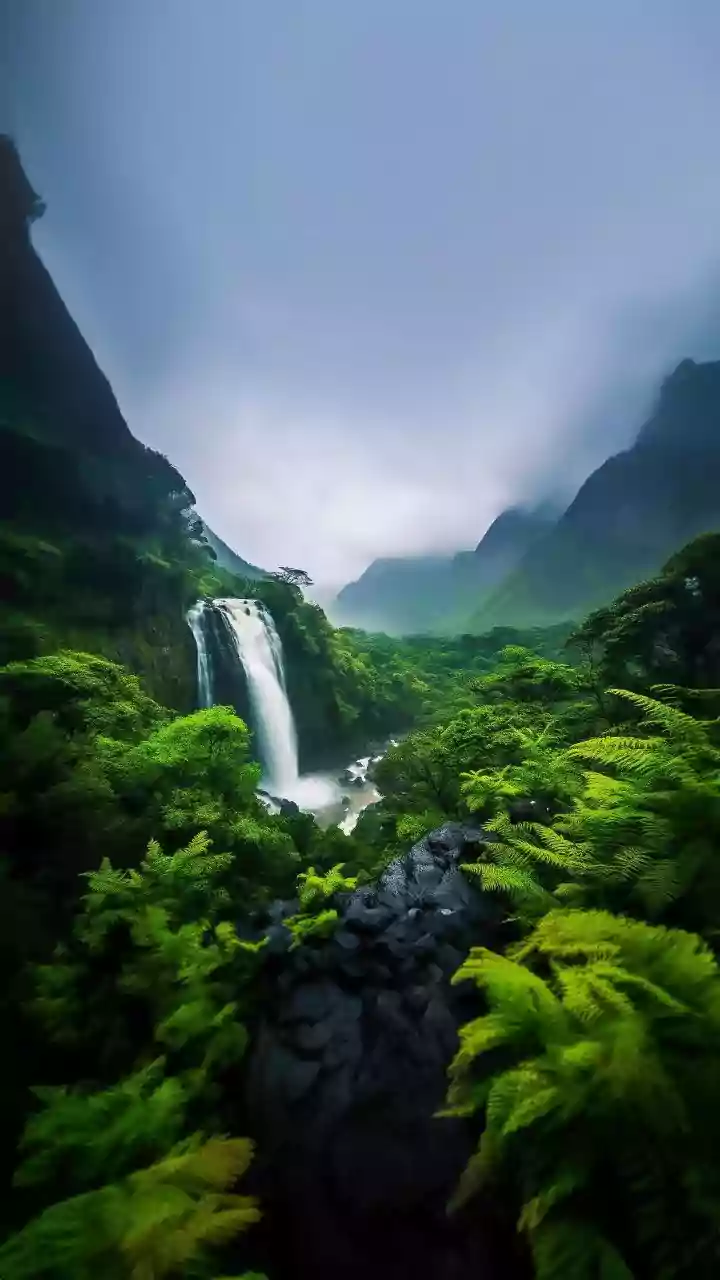
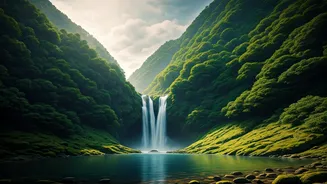
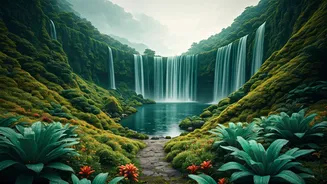
While many places get rain, Meghalaya lives in it. As one of the wettest places on Earth, this northeastern state doesn't just endure the monsoon; it thrives. The name itself means "abode of clouds," and during the rains, you'll understand why. Mists
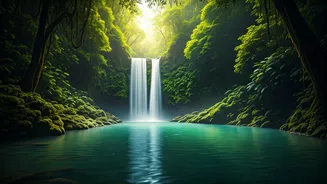
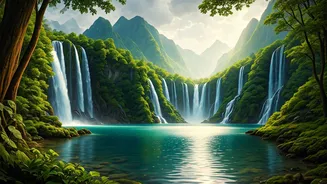
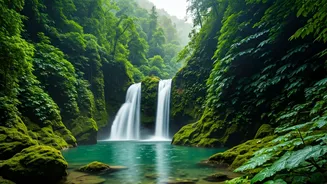
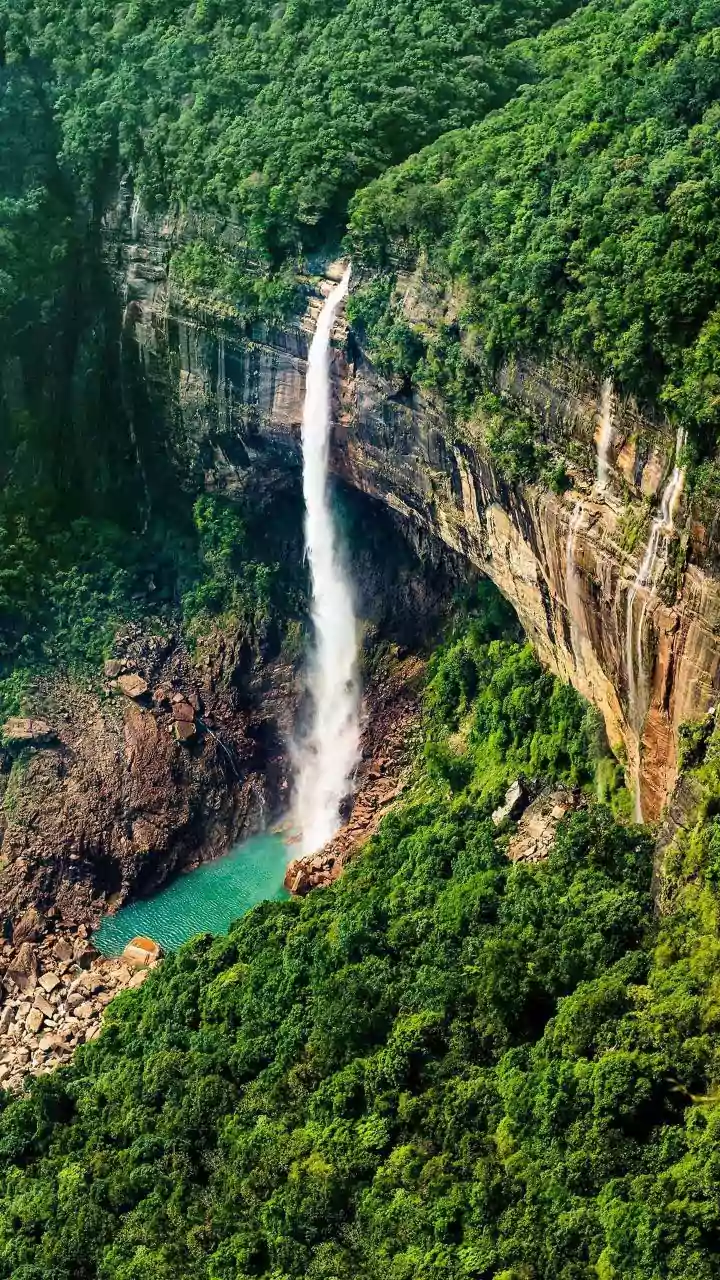
wrap around rolling green hills, and waterfalls like Nohkalikai and the Seven Sisters Falls thunder with breathtaking force. The true secret here is to walk the living root bridges near Cherrapunji. These incredible feats of natural engineering, woven from the roots of rubber trees by the Khasi tribes, become slick and otherworldly, creating a scene straight out of a fantasy epic. It’s an immersive experience where you don’t just see the rain—you walk through it, breathe it, and feel its power.
Mandu: The City of Joy’s Rainy Romance
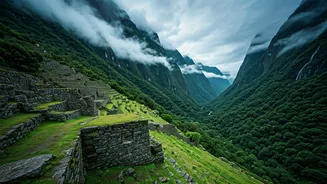
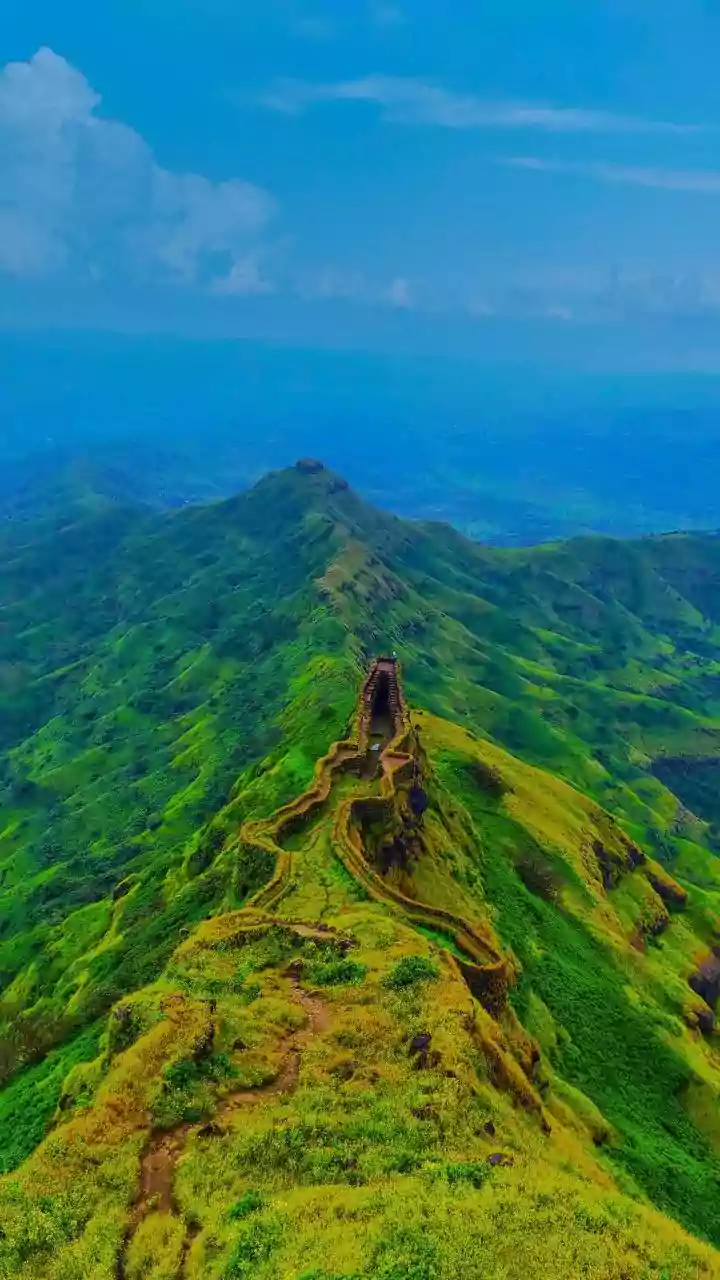
Rajasthan's forts are famous, but for a more atmospheric monsoon experience, head to the forgotten city of Mandu in Madhya Pradesh. This fortress town is perched on a plateau, filled with the romantic ruins of palaces, mosques, and tombs. During the monsoon, the dry, dusty landscape erupts into a carpet of emerald green. Dark storm clouds gather over ancient domes, and the rain fills reservoirs and lakes, reflecting the crumbling Afghan architecture. Mandu was once called Shadiabad, the "City of Joy," and its history is steeped in the legendary love story of Sultan Baz Bahadur and Rani Roopmati. Visiting her pavilion, which overlooks the vast plains below, feels especially poignant as the rain washes over the stone and the wind whispers through the arches.
The Western Ghats: Kerala's Green Rebirth
Kerala is known as "God's Own Country," and during the monsoon, it's easy to see why. The season marks a period of rejuvenation, celebrated in Ayurvedic traditions as the best time for healing treatments. But the real magic is in the landscape. The famous backwaters swell, reflecting the lush greenery of the palms and rice paddies along their banks. Houseboat journeys become cozier and more dramatic as you watch storms roll in from your window. In the hills of Munnar or Wayanad, tea plantations are washed clean, their vibrant green contrasting with the misty white sky. It’s a sensory feast: the rhythmic drumming of rain on a tin roof, the scent of fresh spices in the air, and the sight of a landscape reborn.
Goa: The Quiet, Lush Alternative
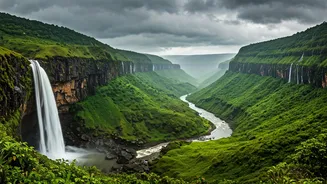
For most Americans, Goa is synonymous with sunny beaches and winter parties. But the monsoon season (June to September) is the state’s best-kept secret. The tourist crowds vanish, prices drop, and the entire region transforms. The focus shifts from the sea to the verdant hinterlands. It’s the perfect time to rent a scooter and explore lush paddy fields, spice plantations, and gushing waterfalls like the magnificent Dudhsagar Falls, which are at their absolute peak. The beaches are wild, windswept, and beautifully empty. This is the Goa that locals love—a quiet, contemplative place where you can sit in a seaside shack, sip a hot chai, and watch the dramatic downpour over the Arabian Sea.
Valley of Flowers: A Himalayan Meadow in Bloom
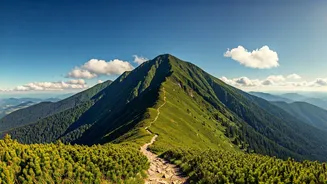
Tucked away high in the Himalayas of Uttarakhand, the Valley of Flowers National Park is a place of legend. This UNESCO World Heritage Site is only accessible for a few months a year, from June to October, and the monsoon is precisely when its magic peaks. During this window, the entire valley floor becomes a carpet of over 300 species of alpine flowers, including rare blue poppies and Brahma Kamal. The trek to get there is part of the adventure, taking you through misty forests and alongside rushing rivers. The rain keeps the crowds manageable and ensures the flora is at its most vibrant. Standing in a meadow bursting with color, surrounded by snow-capped peaks shrouded in clouds, is an unforgettable reward for those willing to embrace the mountain rains.