



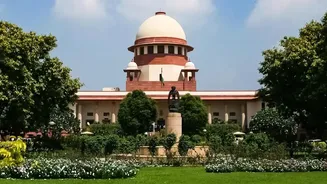


A Landmark Directive from the Supreme Court
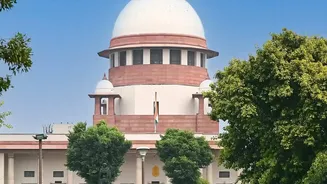
The Supreme Court of India has issued a significant directive to Indian Railways, mandating that all train tickets sold at station reservation counters must include travel insurance coverage starting October 27, 2026. This order aims to end the difference
in treatment between passengers who book tickets online and those who buy them offline. Previously, travel insurance was an optional add-on available only to passengers booking through the IRCTC website or mobile app. The court's decision, delivered by a bench of Justices Ahsanuddin Amanullah and R. Mahadevan, makes it clear that this is not an optional facility but a mandatory direction to the Railways. The Railway Board has been made directly responsible for implementing the order, facing accountability for any failure to comply.
The Origin: A Push for Passenger Safety
This legal intervention stems from a broader case concerning railway safety, which gained urgency following the tragic Odisha train accident in June 2023. A petition filed after the incident sought an investigation into the crash and demanded the nationwide implementation of the 'Kavach' train protection system. During these proceedings, the Supreme Court widened its focus to include other passenger safety issues, such as the lack of insurance for those who buy tickets over the counter. The court noted that it had repeatedly given the railway authorities time to create a system for these passengers but expressed its 'utter disappointment' at the lack of progress. The bench highlighted that many who rely on ticket counters belong to economically weaker sections of society and should not be excluded from such a crucial safety net.
Why October 27 Is the Critical Date
The October 27, 2026, deadline is the moment the court's order comes into full effect. On October 6, the court gave Indian Railways a two-week window to implement the necessary changes across its network. From this date onwards, every ticket sold at a counter must be covered by insurance in the same way as online tickets. This firm deadline was set after the court observed that previous assurances from the Railways had not resulted in concrete action. By setting a specific date and holding the Railway Board directly accountable, the court aims to ensure immediate and mandatory compliance, finally bridging the gap between online and offline passengers.
What This Means for Passengers
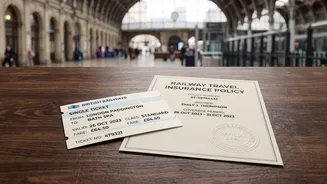
For the millions of passengers who buy tickets at station counters, this order provides automatic financial protection. At present, the optional insurance for online bookings costs a nominal 45 paise per passenger and offers coverage of up to ₹10 lakh in case of death or permanent total disability. While the exact premium and process for counter-bought tickets are yet to be detailed by the Railways, the court has ordered that the coverage must be provided 'in the same manner as tickets purchased online'. This move ensures that all passengers, regardless of their access to digital platforms, have a layer of financial security during their journey. It primarily benefits those in remote areas or from lower-income groups who rely on traditional booking methods.
Looking Ahead: Implementation and Impact
The responsibility now lies with Indian Railways to establish a seamless mechanism for issuing and managing insurance for the millions of tickets sold at counters daily. This involves logistical challenges, from collecting necessary information to processing claims. However, the court's stringent order leaves no room for further delay. Industry experts have hailed the decision as a positive step that recognises travel insurance as an essential safeguard rather than a mere add-on. For passengers, it marks a significant victory for consumer rights, ensuring that safety and financial protection are extended to everyone who travels on India's vast railway network. As the October 27 deadline arrives, all eyes will be on the Railways to see how this landmark directive is put into practice.